
9 Landscaping Ideas That Make Your Home Look More Expensive
An expensive-looking yard comes from polish, not price: crisp bed edges, low-voltage lighting, layered plant heights and one consistent mulch. Here are nine ideas that work without a full renovation.
 By the Backyard with Ben teamUpdated · 7 min read
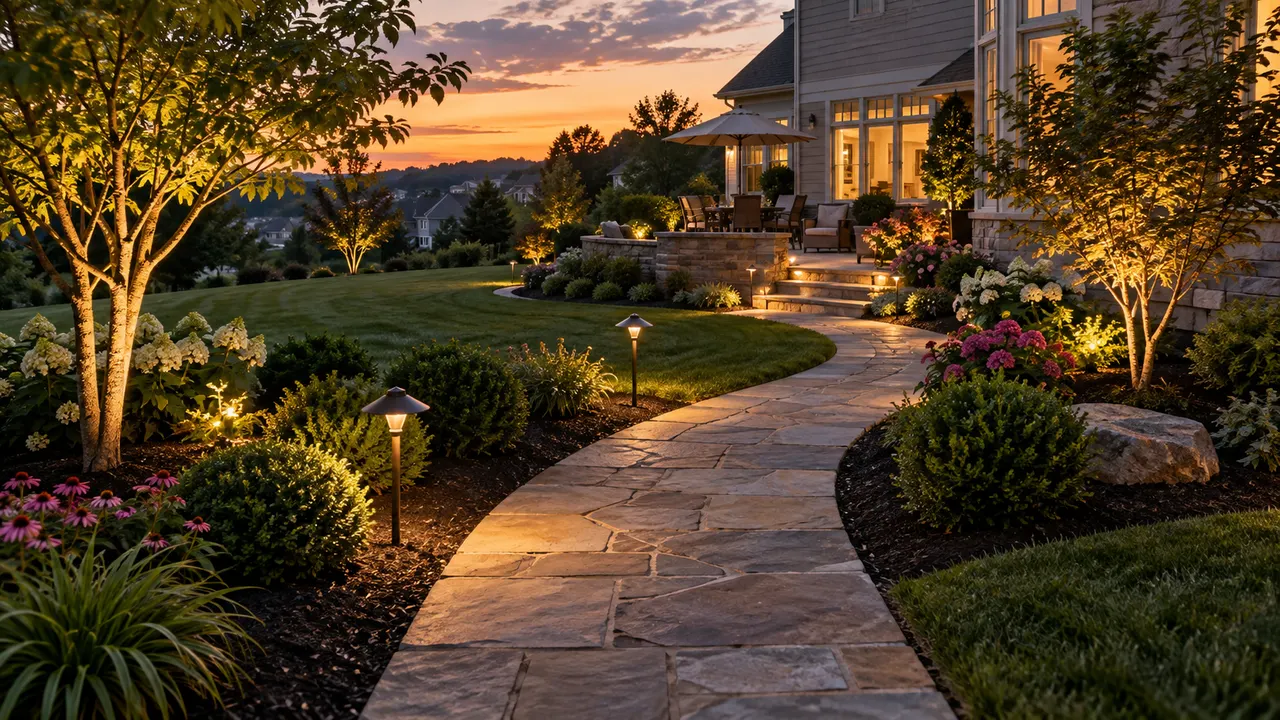
Quick answer
Landscaping ideas that look expensive are mostly about polish, not price: crisp bed edges, low-voltage path and uplighting, layered plant heights, one consistent mulch, stone or paver borders at transitions, symmetry at the entry, well-shaped evergreens, sharp lawn edges and seasonal color in just a few key spots.
The landscaping ideas that make a home look expensive are rarely about costly plants or materials. Crisp edges, consistent mulch, layered planting, a little low-voltage lighting and a symmetrical entry do most of the work, and none of them require ripping out the whole yard.
High-end curb appeal is usually a series of smaller, deliberate decisions that add up to a more polished, intentional look.
Here are nine landscaping ideas that consistently make a home look more expensive than it is.
Key Takeaways
- Crisp, consistent bed edges instantly read as more expensive than fuzzy, overgrown borders.
- Low-voltage path and uplighting adds a high-end look for a relatively low cost.
- Layering plant heights creates depth that flat, single-height planting can't match.
- One consistent mulch color and material ties the whole yard together.
- Symmetry near the front entrance reads as more architectural and deliberate.
- Clean, sharp lawn edges next to beds and walkways matter more than people expect.
Cut Crisp, Defined Bed Edges
Soft, blurry lines between lawn and planting beds are one of the fastest ways a yard reads as unmaintained, even when the plants themselves look fine.
A clean, cut edge, whether it's a simple spade-cut trench or a physical edging material like steel or a paver strip, gives every bed a sharp, deliberate outline.
Re-cut spade edges every 4-6 weeks during the growing season to keep them crisp; a physical edging material holds its line with far less upkeep if you'd rather not re-cut regularly.
Cut bed edges at a slight angle sloping toward the bed, not straight down. It sheds mulch back into the bed instead of letting it spill onto the lawn.
Add Low-Voltage Path and Uplighting
Landscape lighting is one of the highest-impact, most affordable upgrades for how a home reads after dark, and most nights that's when neighbors and visitors actually see it.
A few well-placed path lights along a walkway, plus one or two uplights aimed at a specimen tree or architectural feature, do more than flooding the whole yard with light. Warm-toned fixtures look more inviting than cool white; see our outdoor lighting picks for styles.
Low-voltage kits are simple enough for a weekend DIY install and use far less electricity than traditional floodlights, so the ongoing cost stays low too.
Layer Plant Heights Instead of Planting Flat
A row of same-height shrubs along the foundation looks flat and builder-grade, even with healthy plants.
Layering, with tall plants toward the back or center, medium shrubs in front of those, and low groundcover or flowers at the edge, creates visual depth that a single height simply can't.
This mimics how established, expensive-looking properties look, where plantings have had years to fill in at different heights.
What Mulch Color Looks Most Expensive?
Dark brown or black hardwood mulch usually reads as the most upscale, especially when you use the same one everywhere. Mixing mulch types and colors across different beds, brown here, red there, leftover cypress somewhere else, makes a yard look patched together.
Choosing one mulch type and color for the entire property, then refreshing it consistently, ties every bed together into a single cohesive look.
Bright red or orange-dyed mulch tends to look artificial from a distance, which works against the polished effect you're after.
Add Stone or Paver Accents at Transition Points
Where a driveway meets a walkway, or a patio meets the lawn, is exactly where cheap-looking transitions tend to happen: an abrupt edge, exposed dirt, or mismatched materials.
A stone or paver border at these transition points, even a narrow one, gives the whole layout a finished, professionally designed feel.
This doesn't need to be a big hardscaping project. Even a single row of pavers set on a sand or mortar base at a key transition makes a noticeable difference. The same idea works on the patio itself; see these ways to make your patio look more expensive.
Bring Symmetry to the Front Entrance
Matching planters, matching shrubs or matching light fixtures on either side of a front door create an architectural, intentional feel that asymmetrical planting doesn't.
This doesn't mean the entire yard needs to be symmetrical, just the immediate entrance area, which is where the eye naturally lands first.
A pair of matching evergreen shrubs or urn planters flanking the front steps is one of the simplest ways to apply this idea. For more entry, walkway and foundation bed ideas, see our full list of front yard landscaping ideas.
Choose Plants for Their Mature Shape, Not Just Their Flowers
Yards that look high-end usually have plants with a clean, intentional form, such as rounded boxwoods, tidy hedges and well-pruned shrubs, rather than plants chosen purely for bloom color.
Flowers matter, but structural, well-shaped evergreens and shrubs keep a yard looking put-together in every season. Many low-maintenance shrubs hold a neat shape on their own, so you get the polished look without constant shearing.
When picking new plants, ask what they'll look like in winter and after a hard prune, not just how they look in a spring photo at the garden center.
Keep Lawn Edges as Sharp as Bed Edges
A lawn that's mowed but has ragged edges along the driveway, sidewalk and beds undercuts every other upgrade on this list.
Edging along hard surfaces with a string trimmer or edger after every mow or two keeps the whole property looking crisp instead of just mowed. It's a five-minute add-on to routine mowing with an outsized effect on how finished the yard looks.
Add Seasonal Color in a Few Key Spots, Not Everywhere
Trying to keep color going in every bed year-round gets expensive and hard to maintain. High-end-looking yards usually concentrate seasonal color in just a few visible spots instead.
Entry planters, a bed near the mailbox, or containers by the front door are ideal spots to rotate seasonal annuals, since they're high-visibility but low-square-footage.
This gives the impression of a well-tended yard year-round without the cost and effort of seasonal color across the entire property.
Small, Consistent Details Create the Expensive Look
None of these nine ideas require a full landscaping overhaul. Crisp edges, consistent materials, layered planting and a little lighting do most of the work.
| Reads as builder-grade | Reads as high-end |
|---|---|
| Fuzzy borders between lawn and beds | Crisp spade-cut or steel edges |
| One row of same-height shrubs | Plants layered tall, medium and low |
| Mixed mulch colors | One dark mulch throughout |
| Bright floodlights | Warm low-voltage path lights and a few uplights |
| Abrupt transitions with exposed soil | Stone or paver borders |
| Color scattered everywhere | Seasonal color concentrated near the entry |
Pick two or three to start with. Edging and lighting tend to have the fastest visible payoff, so build from there as time and budget allow.
Frequently Asked Questions
What is the cheapest landscaping upgrade that makes the biggest difference?
Crisp, consistently maintained bed edges are usually the lowest-cost, highest-impact change. They cost little beyond time and immediately make a yard look more intentional.
Can I install low-voltage landscape lighting myself?
Usually, yes. Low-voltage systems run through a transformer that plugs into an outdoor GFCI outlet, and the cable only needs a shallow trench, so many homeowners install them as a DIY project. Hire an electrician if you need a new outdoor outlet or want line-voltage fixtures.
Do I need symmetrical landscaping for it to look high-end?
Not throughout the whole yard, just at the front entrance. Symmetry near the door reads as architectural and intentional even if the rest of the landscaping is informal.
Do I need large, mature plants for an expensive look?
No. Smaller plants of well-chosen, structural varieties grow into the same look within a few seasons. Spacing for mature size and choosing plants with a good natural form matter more than buying big specimens.
How often should I edge my lawn to keep it looking sharp?
Edging along driveways, sidewalks and beds every mow or every other mow keeps the lawn looking crisp instead of just cut, with minimal extra time added to routine mowing.
Published · Last updated . Written by the Backyard with Ben team from standard, widely published guidance. About us.
More for your backyard
Gear up with our top-rated tool picks, shop the look if you'd rather buy than build, or read a related guide. See all Landscaping guides.
Related guides
 AI-generatedLandscaping
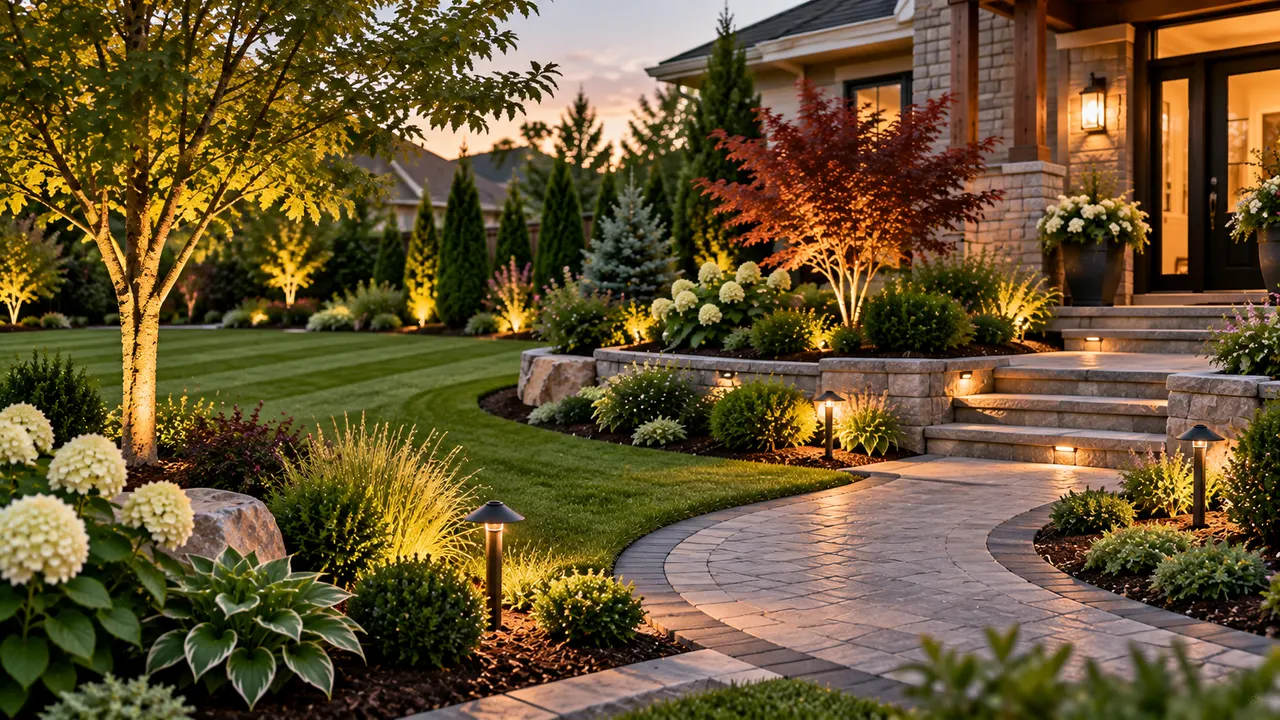
9 Front Yard Landscaping Ideas to Boost Curb Appeal
Sharpen your bed edges, layer plants by height, frame the entry and light the path. Most of these front yard landscaping ideas are weekend projects, not months-long overhauls.
 AI-generatedLandscaping
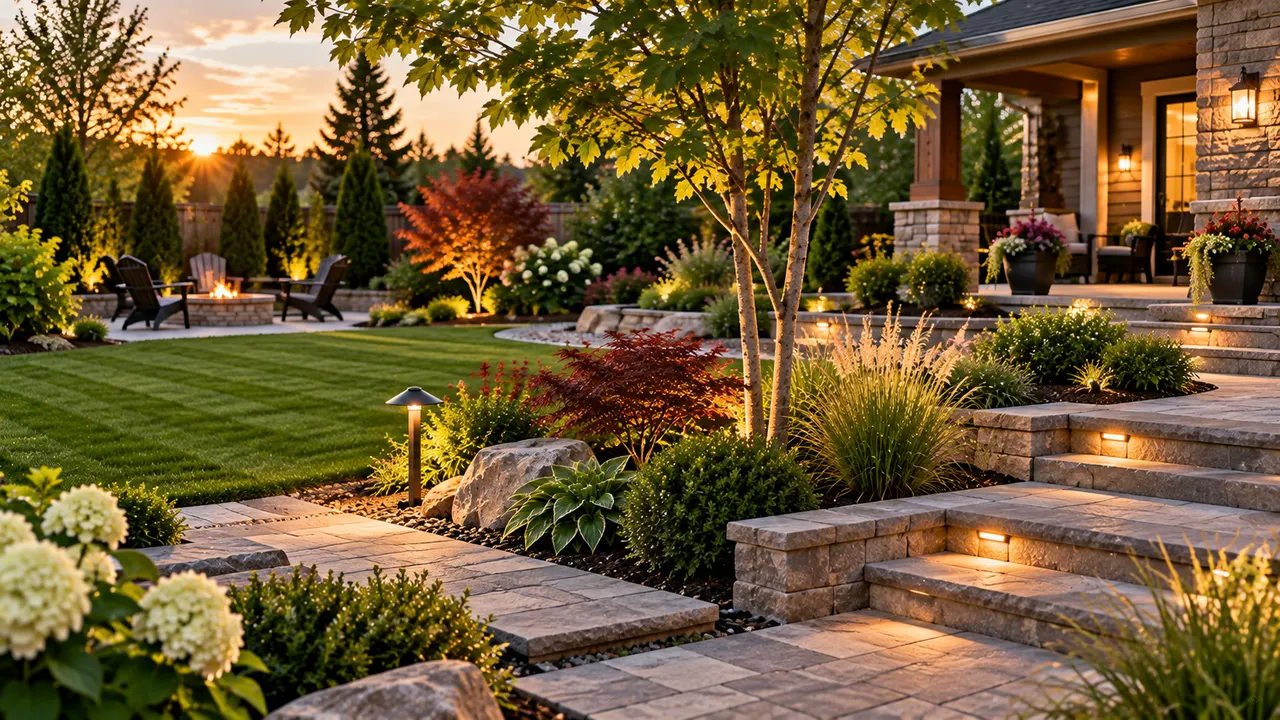
How Much Does Landscaping Cost? A Homeowner's Budget Guide
Basic landscaping often runs roughly $4-$12 per square foot, and a full backyard renovation can range from a few thousand dollars for a small refresh to $50,000 or more for a large project.
 AI-generatedLandscaping
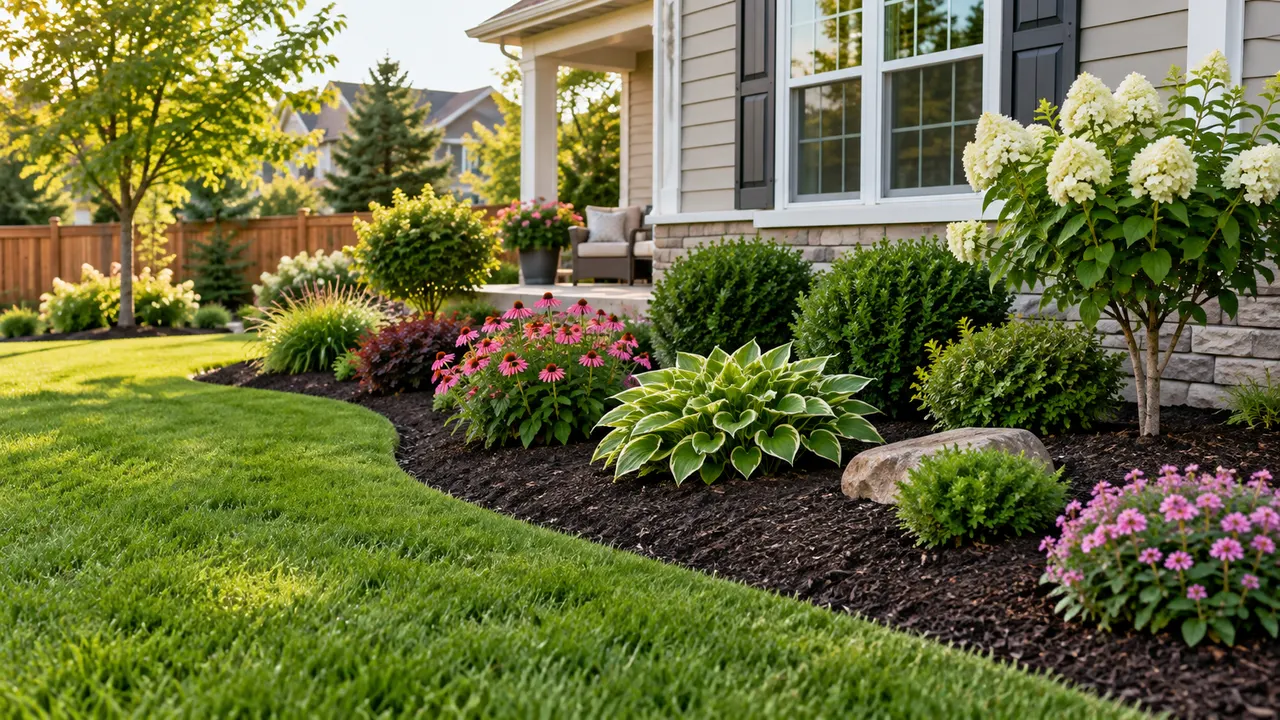
8 Landscaping Mistakes to Avoid Before You Redo Your Yard
Most landscaping regrets come from skipped planning, not bad execution. Write a plan, call 811 before digging, sort out drainage first and space plants for their mature size.