
8 Landscaping Mistakes to Avoid Before You Redo Your Yard
Most landscaping regrets come from skipped planning, not bad execution. Write a plan, call 811 before digging, sort out drainage first and space plants for their mature size.
 By the Backyard with Ben teamUpdated · 8 min read
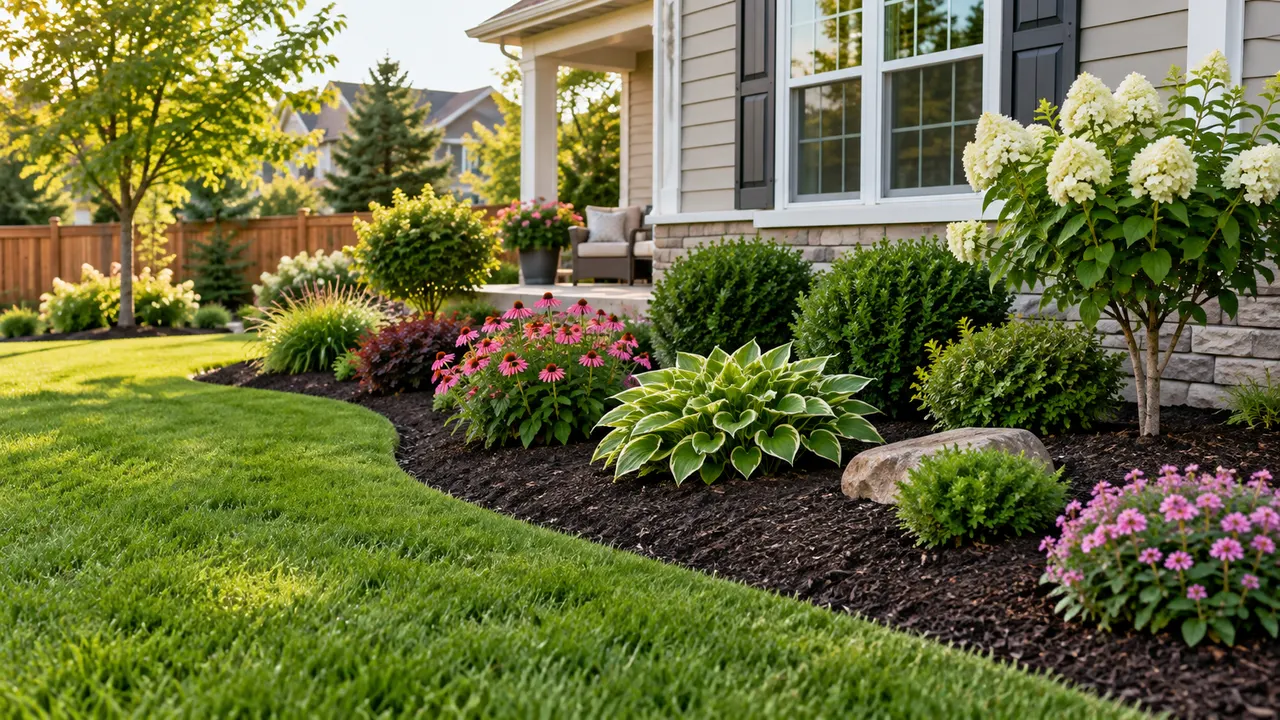
Quick answer
The landscaping mistakes to avoid before a yard redo are mostly planning mistakes: no written plan, digging without calling 811, ignoring drainage, spacing plants by pot size, ignoring sun and shade, building in the wrong order, DIYing structural work and forgetting long-term maintenance. Fix them on paper and the build goes far more smoothly.
The biggest landscaping mistakes to avoid happen before a single shovel hits the ground: skipping a written plan, digging without a utility locate, ignoring drainage and buying plants without checking their mature size. A poured patio in the wrong spot or a tree planted too close to the foundation is hard and costly to undo.
A landscaping redo is one of the bigger projects most homeowners take on, and most regrets trace back to skipped planning steps, not bad execution.
Here are 8 mistakes to catch before you commit to a full yard redo.
Key Takeaways
- Start with a written plan and priority list before buying a single plant or paver.
- Call 811 to locate underground utility lines before any digging.
- Grade and plan drainage before hardscaping or planting goes in.
- Choose plants based on their mature size, not how they look in a nursery pot.
- Match your material and labor budget to a realistic phased timeline.
- Factor ongoing maintenance time into every design decision, not just the installation cost.
Skipping a Written Landscaping Plan
Jumping straight into buying plants and materials without a plan is one of the most common landscaping mistakes, and it usually shows.
A plan does not need to be a professional rendering. A simple sketch of your yard with rough zones, labeled with what each area is for, gives every later decision something to check against.
Without a plan, it is easy to end up with a patio too small for the furniture you actually own, or a planting bed that looks disconnected from the rest of the yard because it was added as an afterthought.
Sketch your yard to a rough scale on graph paper, using one square per foot. It takes an hour and prevents far more expensive measuring mistakes later.
Do You Need to Call 811 Before Landscaping?
Yes. Calling 811 before you dig is free in the US and gets underground utility lines marked on your property, so skipping it is one of the riskiest and most avoidable mistakes on this list.
Underground gas, electric, water and communication lines are not always where you would expect them to be, and hitting one can mean anything from a costly repair bill to a genuine safety hazard.
Call 811 or submit a request through your state's one-call center, and lines are typically marked within a few business days. Do this before planting trees, installing fencing, or digging for any hardscaping.
Ignoring Drainage and Grading
Drainage mistakes rarely show up on installation day. They show up months later, after the first heavy rain.
Water needs somewhere to go. If regrading, patios or retaining walls change how water moves across your yard and that is not planned for, you can end up with pooling near the foundation or a soggy lawn that never fully dries out.
As a general rule, the ground should drop at least 6 inches over the first 10 feet away from your house, about a 5 percent slope. Our guide to landscaping around your house covers grading, downspouts and plant clearances near the foundation in detail. If you are adding hardscaping, ask your contractor directly how the project affects existing drainage before installation begins, not after.
Planting Without Checking Mature Size
A design that looks perfectly balanced on installation day can look crowded and mismatched within a few years if mature plant size was not part of the plan.
Small trees and shrubs in nursery containers are deceptive. A tree that looks proportional to a new patio at 6 feet tall might reach 30 feet with a wide canopy at maturity.
Before placing anything permanent, look up the mature height and spread for each tree, shrub or hedge you are considering, and plan spacing around that number instead of the current pot size. When it is time to plant, the steps in how to plant a tree the right way help new trees establish in their final spot.
Designing Without Accounting for Sun and Shade
A layout that ignores how sunlight actually moves across your yard is one of the more expensive mistakes to fix later, since it usually means replacing plants that were never suited to the spot.
Track your yard's sun exposure across a full day before finalizing plant placement, not just a quick glance at midday. A spot that looks sunny at noon may sit in shade most of the afternoon.
Full-sun plants generally need 6 or more hours of direct light, while shade-tolerant species can manage with 3 to 4 hours or filtered light. Mismatching this is one of the fastest ways to end up replacing a planting bed within a year or two.
What Order Should a Landscaping Project Follow?
Plan first, then do underground work, grading and hardscaping, and plant last. Installing elements in the wrong order creates rework that a different sequence would have avoided entirely.
Homeowners who plant first and hardscape second often end up damaging new plants with equipment and foot traffic, or discover the hardscaping plan needed to shift in a way that takes the planting bed with it.
| Phase | What it includes | Why it goes here |
|---|---|---|
| 1. Plan | Sketch, sun and drainage notes, 811 request, permits | Every later decision depends on it |
| 2. Underground work | Drainage, irrigation lines, utility work | Trenching later would tear up finished surfaces |
| 3. Grading | Shaping soil so water drains away from the house | Patios and beds sit on the final grade |
| 4. Hardscaping | Patios, walkways, retaining walls, fences | Heavy equipment and materials would damage plants |
| 5. Planting | Trees, then shrubs, perennials and lawn | Plants go in once heavy traffic is done |
| 6. Finishing | Mulch, edging, light fixtures | Final layer that is easy to adjust |
Taking On Structural Work Beyond Your Skill Level
DIY landscaping can save real money on planting beds, mulch and simple pathways, but retaining walls, major grading and electrical work for outdoor lighting carry more risk than most homeowners expect.
A retaining wall over about 3 to 4 feet tall typically needs engineering consideration for drainage and the structural load behind it. Getting this wrong can mean a wall that fails within a few seasons, sometimes taking part of the yard with it.
A reasonable rule: if a mistake could cause water damage, structural failure or a safety hazard, it is worth at least a paid consultation with a landscaping professional, even if you handle the rest of the project yourself.
Forgetting the Maintenance Cost of the Finished Design
A design that looks stunning on completion day but needs more upkeep than you can realistically sustain tends to decline fast, which undercuts the entire investment.
Before finalizing plant choices and hardscaping materials, be honest about how much time you actually want to spend on weekly maintenance versus how much time you wish you had.
A yard built mostly from low-maintenance, climate-suited plants with a few higher-effort focal areas tends to age far better than one where every bed demands constant attention.
A Little Planning Prevents Most Landscaping Regrets
Nearly every landscaping mistake on this list is a planning problem, not an execution problem. Catching them before you break ground is far cheaper than fixing them after.
Slow down at the planning stage: check utility lines, drainage, mature plant sizes and realistic maintenance, then price each phase using our breakdown of how much landscaping costs. The finished yard is far more likely to hold up the way you pictured it.
Frequently Asked Questions
What is the biggest mistake people make when redoing their landscaping?
Skipping a written plan before buying plants or materials is the most common landscaping mistake. Without a plan, decisions get made in isolation and rarely fit together as a cohesive yard.
How do I avoid planting trees or shrubs too close together?
Look up the mature height and spread for each plant before placing it, and space based on that mature size rather than how large the plant looks in its nursery container.
Should I redo my whole yard at once or in phases?
Phasing is often easier on both budget and planning. Finish the plan, underground work and grading for the whole yard first, then build hardscaping and plant one area at a time so later phases don't tear up finished work.
What should I check in my yard before designing a new landscape?
Map sun and shade across a full day, watch where water flows and pools after a heavy rain, note your soil type, have utilities marked through 811 and measure existing features. These conditions should shape the design, not the other way around.
When should I hire a landscaping professional instead of doing it myself?
Consider a professional consultation for anything involving structural retaining walls, major regrading or electrical work, since mistakes in these areas can lead to water damage, structural failure or safety hazards.
Published · Last updated . Written by the Backyard with Ben team from standard, widely published guidance. About us.
More for your backyard
Gear up with our top-rated tool picks, shop the look if you'd rather buy than build, or read a related guide. See all Landscaping guides.
Related guides
 AI-generatedLandscaping
How Much Does Landscaping Cost? A Homeowner's Budget Guide
Basic landscaping often runs roughly $4-$12 per square foot, and a full backyard renovation can range from a few thousand dollars for a small refresh to $50,000 or more for a large project.
 AI-generatedLandscaping
How to Landscape Around Your House Without Foundation Problems
Landscape around your house without damaging it: slope soil away from the foundation, keep plants and mulch clear of the siding, and aim sprinklers and downspouts away from the walls.
 AI-generatedLandscaping
9 Landscaping Ideas That Make Your Home Look More Expensive
An expensive-looking yard comes from polish, not price: crisp bed edges, low-voltage lighting, layered plant heights and one consistent mulch. Here are nine ideas that work without a full renovation.