
How to Landscape Around Your House Without Foundation Problems
Landscape around your house without damaging it: slope soil away from the foundation, keep plants and mulch clear of the siding, and aim sprinklers and downspouts away from the walls.
 By the Backyard with Ben teamUpdated · 10 min read
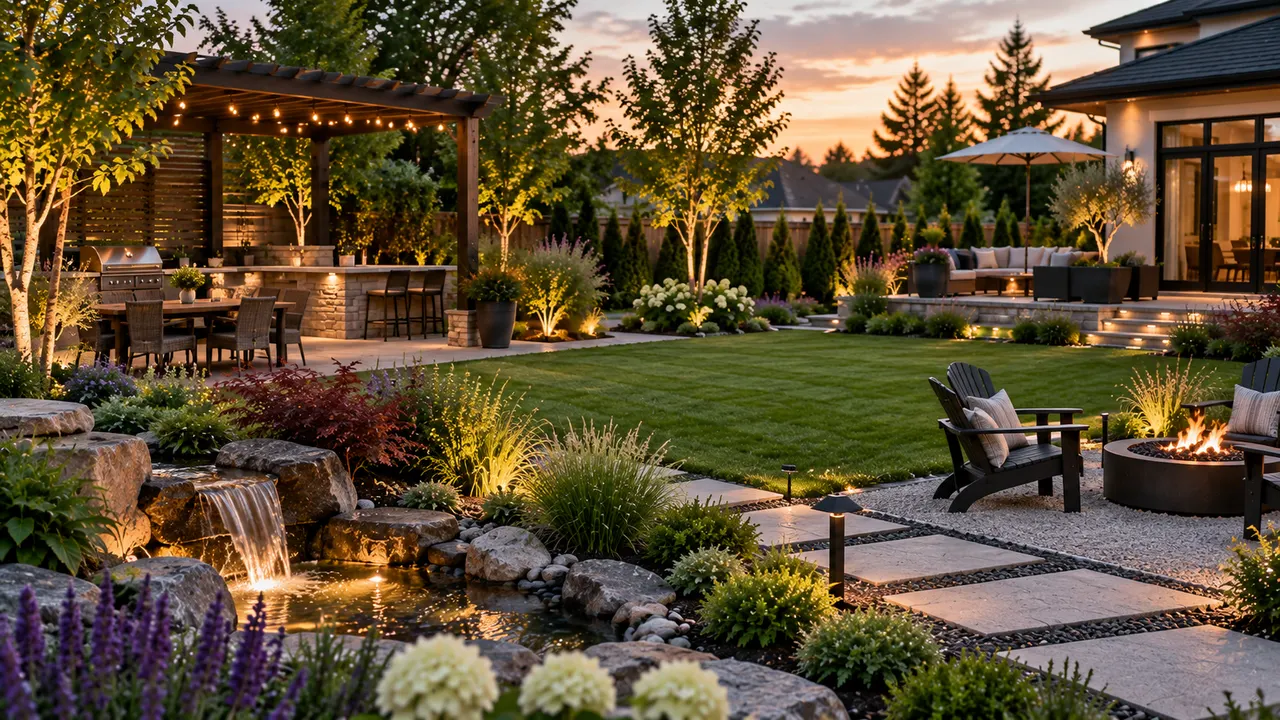
Quick answer
To landscape around your house without causing damage, slope the soil so it drops at least 6 inches over the first 10 feet, keep shrubs 18-24 inches off the wall (larger ones 3-4 feet), keep mulch below the siding, aim sprinklers and downspouts away from the house, and plant large trees 15-20 feet from the foundation.
Landscaping around your house has to do two jobs at once: make the home look finished and keep water, roots and pests away from the structure. In practice that means grading soil away from the foundation, spacing plants for their mature size, keeping mulch below the siding and pointing every source of water away from the walls. Skip those basics and the same beds, trees and sprinklers that boost curb appeal can quietly cause foundation cracks, wood rot and a wet basement.
Most of these problems don't show up right away. A bed graded the wrong way, a shrub planted too close to the wall or a downspout that dumps water against the foundation can take a year or two before you notice cracked drywall, a musty crawl space or peeling paint near the ground.
The fixes are usually simple and cheap compared to the repair bill. Here's what to check before you plant anything near your house.
Key Takeaways
- Grade the soil so it drops at least 6 inches over the first 10 feet away from the foundation.
- Keep shrubs and perennials 18-24 inches from the wall, and larger shrubs 3-4 feet away.
- Point sprinkler heads and downspout extensions away from the house, at least 4-6 feet out.
- Keep mulch and soil several inches below the siding's bottom edge or the foundation's weep screed.
- Plant large trees 15-20 feet from the foundation and sewer line so roots can't reach either one.
- Leave about 24 inches of clear space around gas meters, dryer vents and AC condenser units.
How Much Should Soil Slope Away From Your House?
Soil should drop at least 6 inches over the first 10 feet away from the foundation, which is about a 5% slope and the standard most US residential building codes use. If the ground next to your house is flat or, worse, sloped toward the wall, every rain sends water straight to the foundation instead of away from it.
Over time that water can pool against the footing, seep into a basement or crawl space, and put pressure on foundation walls that eventually shows up as cracks. It's one of the most common, and most avoidable, problems with landscaping around a house.
You don't need survey equipment to check your grade. Run a hose near the foundation for a few minutes and watch where the water actually goes. If it sits or creeps back toward the house, fix the grading before you add beds, mulch or plants on top of it.
Rest a long, straight board on the ground with one end touching the foundation, set a level on top and lift the outer end until the bubble reads level. The gap under that end is your drop over the board's length. You're looking for about 0.6 inch of drop per foot, so a 10-foot board should show at least 6 inches. A level and tape measure from the hand tools and measuring gear list are all you need.
How Far From the House Should You Plant Shrubs?
Keep small shrubs and perennials 18-24 inches from the wall, and plan for 3-4 feet of clearance for larger shrubs like holly, boxwood or hydrangea once they're fully grown. A foundation bed looks great the day it's installed, when everything is still small. The problem shows up two or three seasons later, once shrubs fill in and start touching the siding.
Branches and leaves pressed against a wall trap moisture, which can lead to wood rot, peeling paint, mold on siding, or a bridge that ants and other pests use to climb into the house. Check the plant tag's mature width, not the size of the pot, and set your spacing off the wall based on that number. Naturally compact low-maintenance shrubs make this much easier than plants you have to keep cutting back.
Also make sure nothing you plant will eventually grow over a foundation vent, dryer vent or window well. Those need to stay clear for airflow and drainage, not just for looks. For layouts that work within these setbacks, see these front yard landscaping ideas, including how to size a foundation planting bed.
Use the distances below as general rules of thumb. Local codes, your utility company and equipment manuals take priority where they differ.
| Feature | Recommended clearance from the house |
|---|---|
| Small shrubs and perennials | 18-24 inches from the wall |
| Large shrubs (at mature size) | 3-4 feet |
| Mid-size ornamental trees | At least 10 feet |
| Large shade trees | 15-20 feet from the foundation and sewer line |
| Downspout discharge | 4-6 feet out from the wall |
| Nearest sprinkler spray | At least 2 feet off the foundation |
| Mulch and soil | About 6 inches below the bottom edge of siding |
| AC condenser | About 24 inches open on all sides |
| Gas meter | 24-36 inches of clear space |
Point Sprinklers and Downspouts Away From the House
A sprinkler head that's aimed even slightly wrong can spray the same few square feet of siding every time it runs, for months at a stretch. That kind of constant wetting is a common cause of wood rot, stained brick and premature paint failure near the ground.
When you're setting up or adjusting an irrigation system, make sure heads throw water outward, not against the wall, and keep the nearest spray pattern at least 2 feet off the foundation.
Downspouts cause the same problem on a bigger scale. A downspout that empties right at the foundation can dump hundreds of gallons in a single storm exactly where you don't want it. Add an extension or splash block that carries water at least 4-6 feet away from the house, and make sure your landscaping doesn't block that discharge path or redirect it back toward the wall.
Keep Mulch and Soil Below the Siding Line
Mulch is great for planting beds, but piling it, or soil, too high against the house creates the exact conditions termites and wood rot need: constant moisture and a hidden path straight to the sill plate.
For homes with stucco, soil and mulch should stay several inches below the weep screed, the metal strip near the base of the wall that's designed to let moisture drain out. For brick homes, keep grade below the weep holes in the mortar joints. For vinyl or wood siding, keep mulch and soil off the bottom edge of the siding entirely; siding manufacturers commonly call for about 6 inches of clearance.
Stick to 2-3 inches of mulch depth in beds near the house, and never build a raised bed directly against the foundation without a gap. If you want a raised bed near the house, leave a narrow gravel strip or air gap between the bed wall and the foundation so water and pests can't bridge the two.
How Close Can You Plant a Tree to Your House?
Plant large shade trees at least 15-20 feet from the foundation and your sewer lateral, and mid-size ornamental trees at least 10 feet away. Roots grow toward moisture and will travel a long way to find it, including into old sewer lines with cracked joints or a slightly leaky foundation.
Some fast-growing, aggressive-rooted species like willows or silver maples deserve even more distance, since their roots are notorious for finding and infiltrating older clay pipe. Once you've picked a spot, follow the steps for planting a tree at the right depth so it establishes well.
If you already have a large tree closer than that, watch for warning signs: slow drains, recurring sewer backups, or a walkway or patio slab that's started to lift or crack near the trunk. A plumber can run a camera down the line to check for root intrusion before it turns into a full excavation and pipe replacement.
Leave Clearance Around Utility Access Points
It's tempting to tuck a gas meter, electrical panel or AC condenser behind a nice row of shrubs, but utility companies and equipment manufacturers set clearance rules for a reason.
Many gas utilities want roughly 24-36 inches of clear space around a meter so it can be read and serviced without a technician wrestling through your landscaping. AC condenser units need roughly 24 inches of open space on all sides for proper airflow. Crowd one with plants and you can end up with a unit that runs less efficiently and wears out faster.
Dryer vents need to stay completely unobstructed. A vent partially buried by mulch or blocked by a shrub is a lint and fire hazard, not just an eyesore.
Slope Patios and Walkways Away From the House Too
Landscaping around your house isn't only about plants and mulch. Hardscape matters just as much, and it's easy to overlook because it looks solid and permanent.
A patio, walkway or driveway that's flat or pitched toward the house sends rainwater exactly where a good grading plan is trying to keep it away from: your foundation. This is especially common with patios added years after the house was built, where the new slab doesn't quite match the original grading.
New concrete or paver surfaces near the house should slope about 1/8 to 1/4 inch per foot away from the wall. If an existing patio slopes the wrong way, you don't necessarily need to tear it out. A French drain along the edge closest to the house, or regrading the base beneath a paver patio, can redirect water without a full replacement.
Good Landscaping Protects Your House, Not Just Decorates It
Landscaping around your house is really two jobs: making the yard look good, and keeping water, roots and pests away from the structure itself. Skip the second job and even a beautifully planted bed can end up costing you a foundation repair, a rotted sill plate or a sewer line replacement.
Check your grading, give plants and trees room to reach full size, keep mulch off the siding, and leave utility points clear. If you're planning a bigger overhaul, read the landscaping mistakes to avoid before you redo your yard too. Handle these basics before you plant, and the rest of your landscaping can just focus on looking great.
Frequently Asked Questions
Can landscaping actually cause foundation problems?
Yes. Soil graded toward the house, overwatering from misaimed sprinklers, and tree roots seeking moisture near a foundation can all contribute to cracks, shifting and water intrusion over time.
Should mulch touch the siding of a house?
No. Mulch and soil should stay several inches below the bottom edge of siding or the foundation's weep screed so moisture and pests can't bridge from the ground into the wall.
Is rock or wood mulch better next to a foundation?
Rock or gravel doesn't hold moisture against the house or break down into food for insects the way wood mulch can, so many homeowners use a strip of rock right along the foundation and wood mulch farther out. Either way, keep it below the siding and graded away from the wall.
What should you plant right next to a house foundation?
Choose compact shrubs and perennials whose mature width keeps them at least 18-24 inches off the wall and that don't need frequent watering. Evergreen shrubs that stay small on their own give year-round structure without constant pruning.
Do I need downspout extensions if my yard is graded correctly?
Yes. Grading moves surface water away, but a downspout releases a large volume of water in one spot during a storm. An extension or splash block that carries it 4-6 feet out keeps that concentrated flow from overwhelming the slope next to the foundation.
Published · Last updated . Written by the Backyard with Ben team from standard, widely published guidance. About us.
More for your backyard
Gear up with our top-rated tool picks, shop the look if you'd rather buy than build, or read a related guide. See all Landscaping guides.
Related guides
 AI-generatedLandscaping
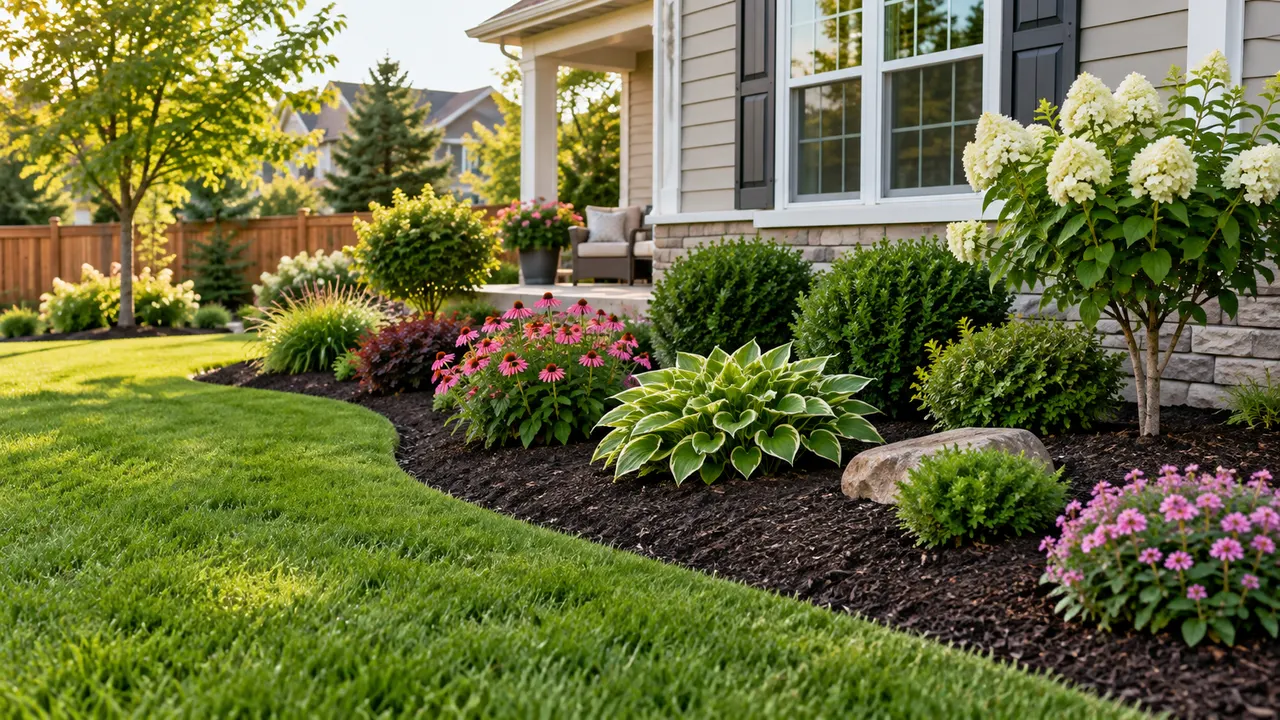
8 Landscaping Mistakes to Avoid Before You Redo Your Yard
Most landscaping regrets come from skipped planning, not bad execution. Write a plan, call 811 before digging, sort out drainage first and space plants for their mature size.
 AI-generatedLandscaping
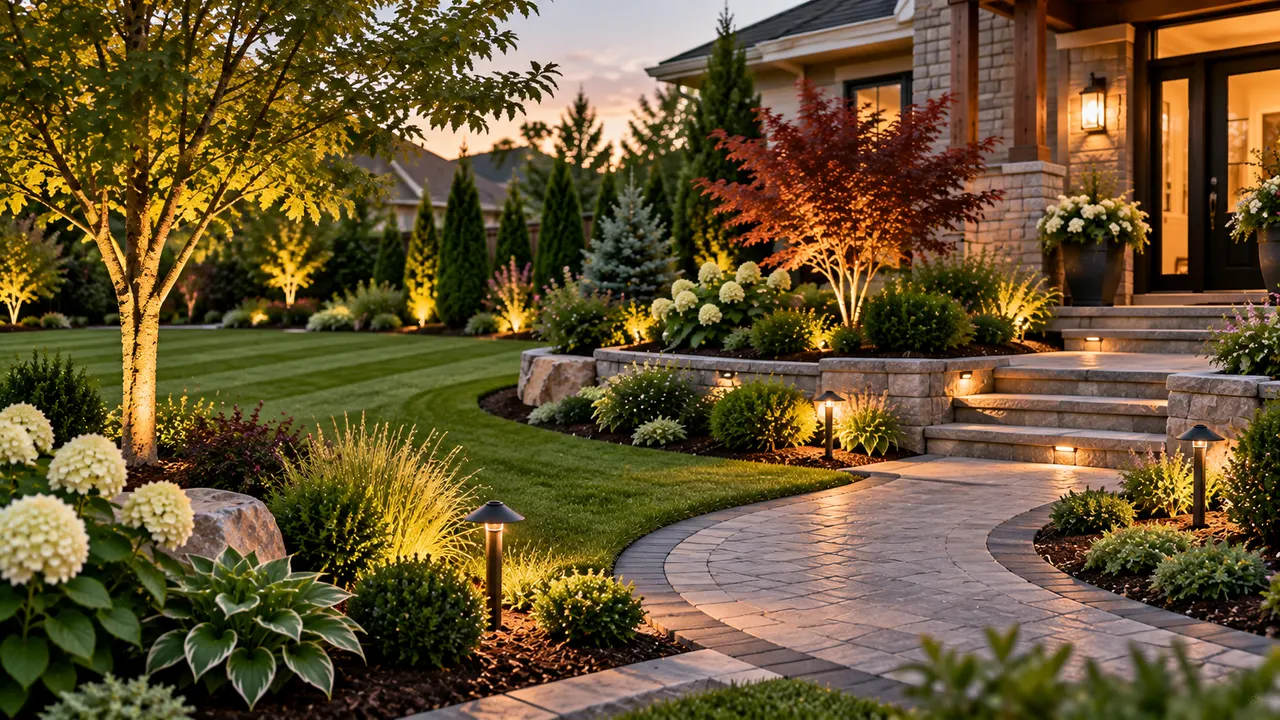
9 Front Yard Landscaping Ideas to Boost Curb Appeal
Sharpen your bed edges, layer plants by height, frame the entry and light the path. Most of these front yard landscaping ideas are weekend projects, not months-long overhauls.
 AI-generatedPlants & Trees
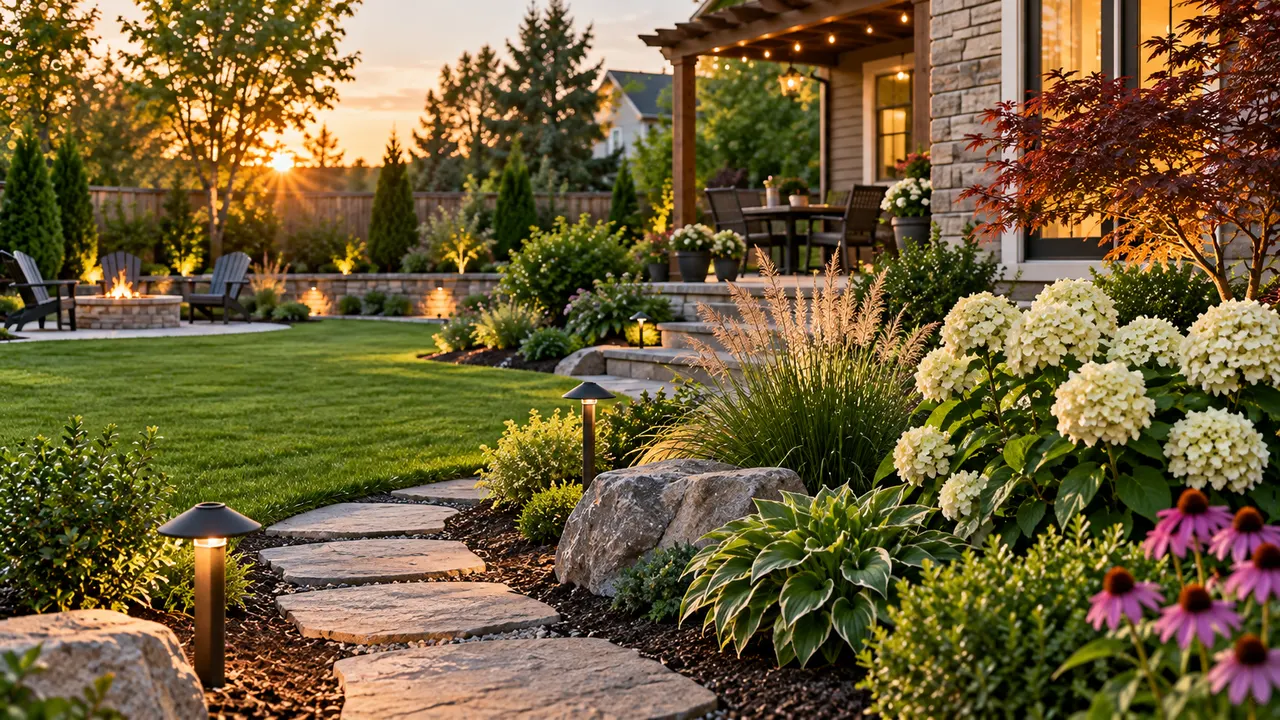
How to Plant a Tree the Right Way: 7 Mistakes to Avoid
Dig the hole 2-3 times wider than the root ball but no deeper, set the root flare at or slightly above ground level, remove wire, twine and burlap, and water deeply through the first growing season.