
9 Front Yard Landscaping Ideas to Boost Curb Appeal
Sharpen your bed edges, layer plants by height, frame the entry and light the path. Most of these front yard landscaping ideas are weekend projects, not months-long overhauls.
 By the Backyard with Ben teamUpdated · 9 min read
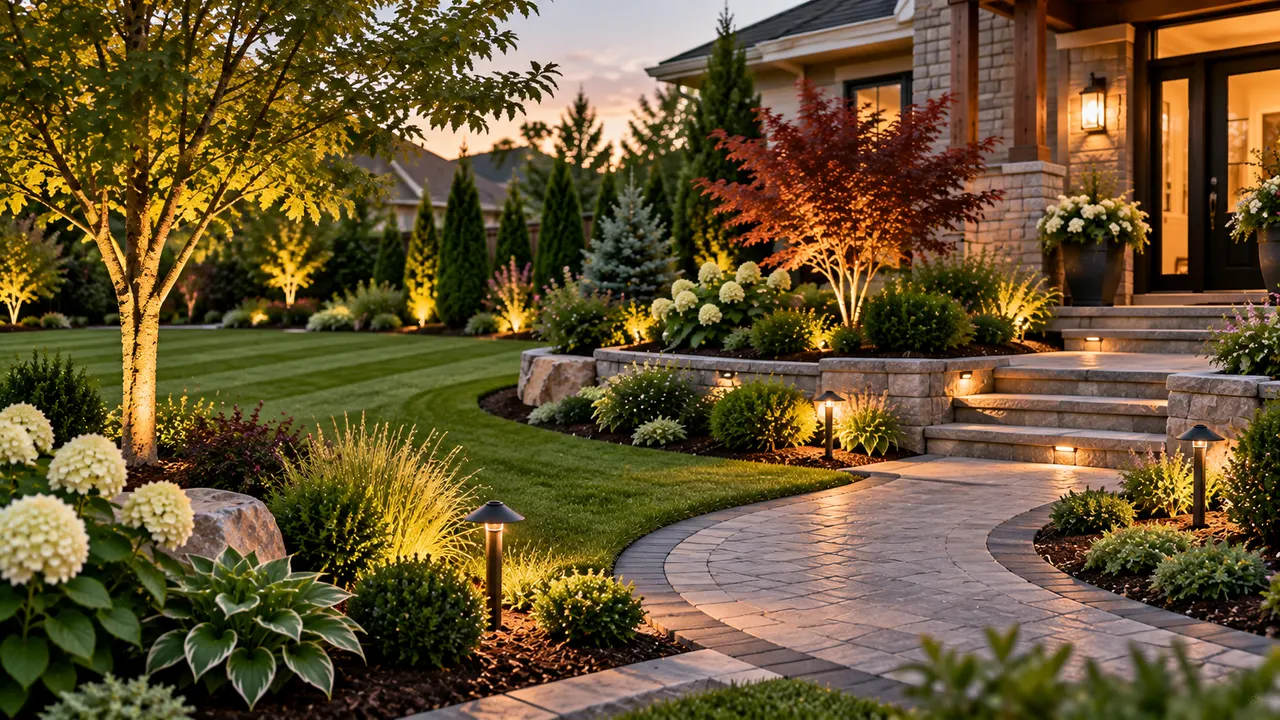
Quick answer
The front yard landscaping ideas that add the most curb appeal for the effort are clean bed edges, plants layered by height, a focal point at the entry, a walkway at least 4 feet wide, warm path lighting and a well-spaced foundation bed. Most are weekend projects, and a quick sketch first keeps them working together.
The best front yard landscaping ideas are simple ones: crisp bed edges, plants layered by height, a clear focal point at the door, a comfortable walkway and warm path lighting. Together they change how the whole property reads from the street, and most are weekend projects rather than months-long overhauls.
Your front yard is the first thing anyone sees before they knock on your door, yet a lot of homeowners spend their landscaping energy in the backyard and let the front just exist. You don't need a full renovation or a professional design plan to see a real difference, and several of these ideas cost more in time than money.
Here are nine practical ways to improve your front yard's curb appeal, starting with the step most people skip.
Key Takeaways
- Sketch your yard before buying a single plant so beds, walkways and focal points actually work together.
- Crisp, clean edges on beds and lawn make even simple landscaping look intentional.
- Layer plants by height, tall in back, low in front, so beds look full instead of flat.
- A matching pair of planters or a single specimen tree near the entry draws the eye exactly where you want it.
- Widen a cramped front walkway to at least 4 feet and it instantly feels more welcoming.
- Warm-toned path lighting does more for evening curb appeal than almost any daytime change.
Start With a Simple Plan Before You Plant Anything
It's tempting to grab whatever looks good at the garden center and find a spot for it later. That's usually how front yards end up feeling cluttered and mismatched within a year or two.
Spend 20-30 minutes sketching your front yard on graph paper or in your phone's notes app. Mark the driveway, walkway, windows, downspouts and any mature trees. You don't need exact measurements, just a rough sense of proportions.
Once you can see the space on paper, it's much easier to spot problems, like a bed that's too narrow to plant anything but groundcover, or a walkway that cuts awkwardly through where you wanted a flower bed.
Take a photo of your front yard from an upstairs window, or stand across the street and shoot straight on. Seeing it as a flat image instead of walking through it makes proportion problems and empty spots much easier to notice.
Sharpen Your Bed Lines and Edging
One of the fastest ways to make a front yard look landscaped, even if the plants inside the beds are nothing special, is to give every bed a clean, defined edge.
A soft, blurry line between lawn and mulch reads as neglected no matter what's planted. A crisp line reads as cared for, even in a modest yard.
If you're cutting edges by hand, use a flat spade to slice a clean vertical line 4-5 inches deep along the bed's border, then re-cut it every 4-6 weeks during the growing season as grass creeps back in. For a more permanent fix, steel or aluminum landscape edging set a few inches into the soil holds a line for years and nearly eliminates that recurring chore.
How Do You Layer Plants in a Front Yard Bed?
Put the tallest plants at the back or corners, mid-size plants in the middle and low plants along the front edge. Front yard beds often look thin and flat because everything in them is roughly the same height, and layering fixes that in one move.
Space each layer based on its mature spread, not its current pot size, so the bed has room to fill in without plants crowding each other within a season or two. Layering is also what gives a front yard visual depth from the street, since the eye reads height changes as fullness even in a relatively narrow bed.
| Layer | Typical mature height | Where it goes | Good options |
|---|---|---|---|
| Back | 3-6 feet | Back of the bed or corners | Evergreen shrubs or small trees |
| Middle | 12-24 inches | Center of the bed | Perennials and ornamental grasses |
| Front | Under 12 inches | Front edge | Groundcovers and low annuals |
Frame the Entry With a Focal Point
The front door is where every visitor's eye ends up, so it's worth designing around it on purpose instead of leaving it as an afterthought.
A matching pair of planters, roughly 16-18 inches wide, on either side of the entry creates instant symmetry and makes even a plain door look intentional. Fill them with something that holds structure through most of the year, like boxwood or dwarf holly, rather than annuals that need replacing every few months.
If you'd rather go bigger, a single specimen tree that stays under 10-12 feet, such as a dwarf Japanese maple or a compact crape myrtle, planted off to one side of the walkway gives the entry a focal point without blocking windows or the front door.
Add Seasonal Color Without a Full Redesign
You don't need to redo your whole front yard to keep it looking fresh. Concentrate seasonal color in just a few high-visibility spots.
Entry planters, a small bed near the mailbox, or a strip along the front steps are enough. Rotate spring bulbs like daffodils or tulips, summer annuals such as zinnias or petunias, and fall mums through those same spots three times a year.
Keeping the rest of the yard built around permanent shrubs and perennials means you're only managing a small, contained area of seasonal color instead of an entire yard's worth of annual planting.
How Wide Should a Front Walkway Be?
Aim for at least 4 feet wide, enough for two people to walk side by side. A cracked, narrow concrete path does more damage to curb appeal than most people realize, since it's the one part of the landscape every visitor physically walks across, and anything narrower tends to feel like a chute rather than an invitation.
Swapping plain concrete for pavers, flagstone or brick is a bigger project, but even resetting and re-leveling an existing path, then edging it with a low border of stone or steel, can make it look significantly more finished.
A gentle curve toward the door, rather than a rigid straight line, also tends to slow visitors down just enough to notice the landscaping around them.
Light the Path for Evening Curb Appeal
Daytime curb appeal is only half the picture. A front yard that disappears into darkness after sunset is missing an easy upgrade.
Low-voltage path lights placed every 6-8 feet along the walkway give visitors a clear, welcoming route to the door without looking like a runway. Add one or two uplights aimed at a specimen tree or an architectural feature on the house for depth.
Stick with warm-toned bulbs, generally in the 2700-3000K range, rather than cool white. Warm light reads as inviting; cool white tends to feel closer to a parking lot. Solar path lights skip the wiring entirely, which makes this one of the easier upgrades to finish in an afternoon. You can browse fixture styles in our outdoor lighting picks.
Keep Lawn Edges and Hardscape Lines Crisp
The lines where your lawn meets the driveway, walkway and beds matter just as much as what you plant.
A ragged edge along a driveway or path makes an otherwise tidy yard look unfinished. Running an edger or string trimmer along these lines once a month during the growing season keeps them sharp with very little extra effort.
If your driveway or walkway edge tends to crumble or sink, a simple paver or brick border along the seam holds the line and keeps grass from creeping into the joints.
Build a Low-Maintenance Foundation Planting Bed
The strip of ground running along the front of the house is one of the most visible parts of any front yard, and one of the easiest to get wrong.
Aim for a foundation bed roughly 3-4 feet deep, enough room for a real planting rather than a thin ring of mulch. Lean on evergreen low-maintenance shrubs for year-round structure, spaced according to their mature width so they aren't shoved up against the siding within a few years.
Keep smaller plants at least 18-24 inches from the foundation and larger shrubs farther out. That gap protects drainage, keeps foliage and mulch from trapping moisture against the siding, and gives you room to walk through for maintenance. Our guide to landscaping around your house covers the full set of clearances for grading, mulch and downspouts.
Small, Consistent Changes Add Up to Real Curb Appeal
None of these front yard landscaping ideas require a complete redesign. Sharper bed lines, a wider walkway, one good focal point near the door and a little evening lighting can transform how a front yard reads from the street, often within a single season.
Pick one or two projects to start, whether that's re-cutting your bed edges or adding a pair of entry planters, and build from there. For more polish once the basics are in, try these landscaping ideas that make your home look more expensive.
Frequently Asked Questions
What's the cheapest way to improve front yard curb appeal?
Sharpening bed edges, adding a fresh layer of mulch and keeping the lawn mowed and trimmed along walkways and driveways cost very little but make the biggest visible difference.
What plants add the most curb appeal to a front yard?
Structural evergreen shrubs, like boxwood or dwarf holly, give a front yard a finished look year-round since they hold their shape and color through winter. Add seasonal color in a few containers or a small bed so the yard feels fresh without high-maintenance plantings everywhere.
Do I need mulch in my front yard planting beds?
Yes. A 2-3 inch layer of mulch helps suppress weeds, retain soil moisture and gives beds a cleaner look. Keep it a few inches away from stems and trunks so moisture doesn't sit directly against them.
How do I make a small front yard look bigger?
Keep the layout simple: use fewer plant varieties repeated in groups, keep low plants near the walkway so sightlines stay open, use one consistent mulch and edging material, and choose compact plants that won't crowd the space as they mature.
When is the best time to redo front yard landscaping?
Early fall and spring are usually best for planting shrubs and trees, since mild temperatures help roots establish. Hardscape work like walkways and edging can be done any time the ground isn't frozen or waterlogged.
Published · Last updated . Written by the Backyard with Ben team from standard, widely published guidance. About us.
More for your backyard
Gear up with our top-rated tool picks, shop the look if you'd rather buy than build, or read a related guide. See all Landscaping guides.
Related guides
 AI-generatedLandscaping
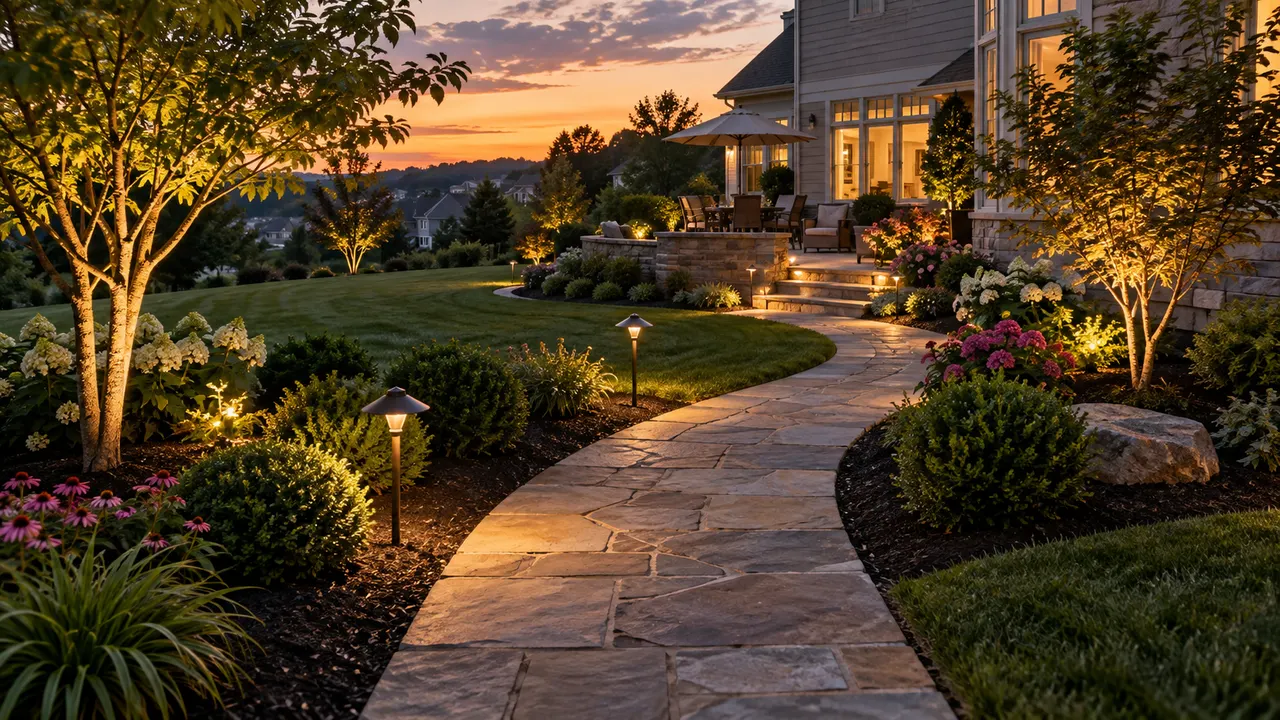
9 Landscaping Ideas That Make Your Home Look More Expensive
An expensive-looking yard comes from polish, not price: crisp bed edges, low-voltage lighting, layered plant heights and one consistent mulch. Here are nine ideas that work without a full renovation.
 AI-generatedLandscaping
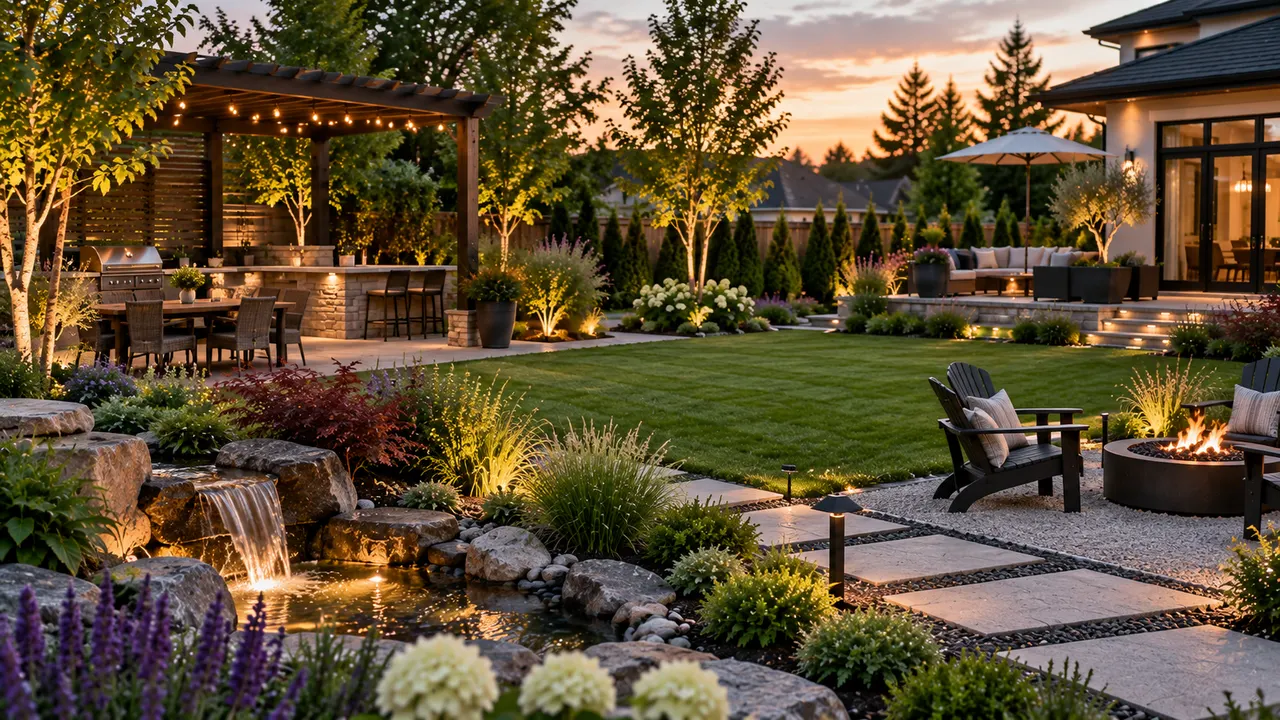
How to Landscape Around Your House Without Foundation Problems
Landscape around your house without damaging it: slope soil away from the foundation, keep plants and mulch clear of the siding, and aim sprinklers and downspouts away from the walls.
 AI-generatedLandscaping
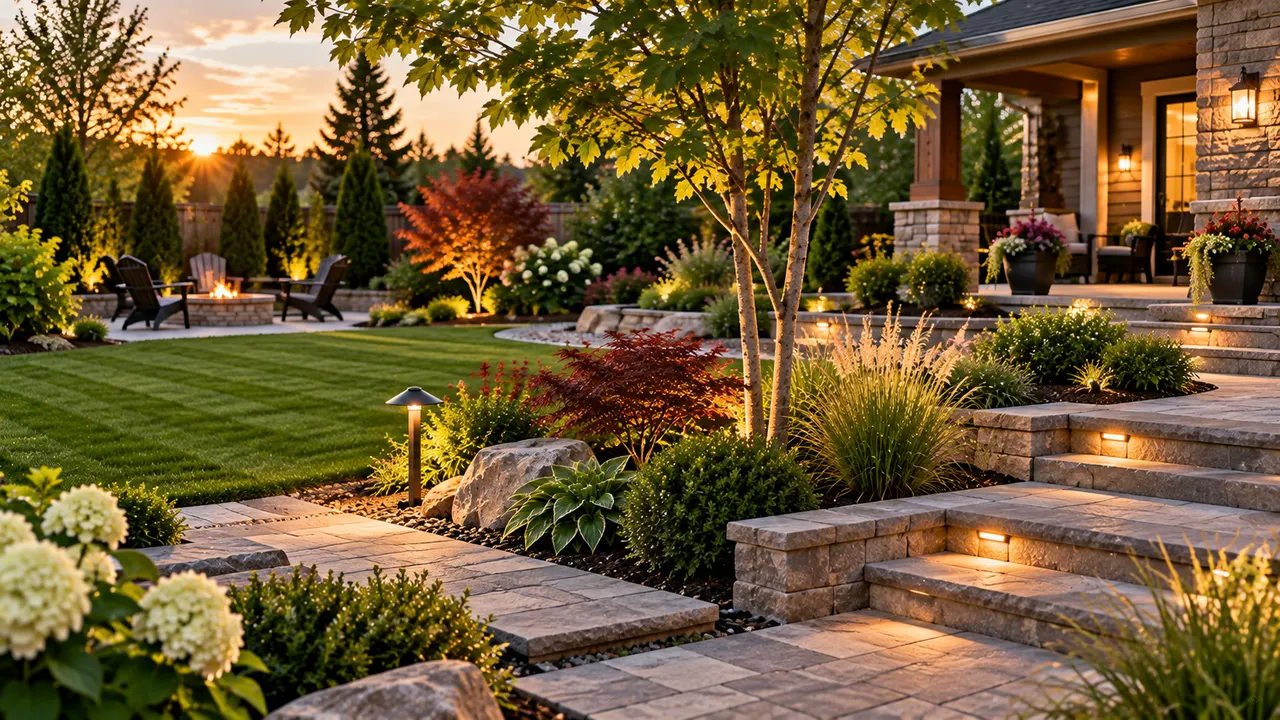
How Much Does Landscaping Cost? A Homeowner's Budget Guide
Basic landscaping often runs roughly $4-$12 per square foot, and a full backyard renovation can range from a few thousand dollars for a small refresh to $50,000 or more for a large project.