
12 Low-Maintenance Shrubs That Look Great Without Constant Work
Boxwood, inkberry holly, spirea, ninebark and panicle hydrangea are among the easiest shrubs to grow: they hold their shape, skip deadheading and need about one light prune a year once established.
 By the Backyard with Ben teamUpdated · 8 min read
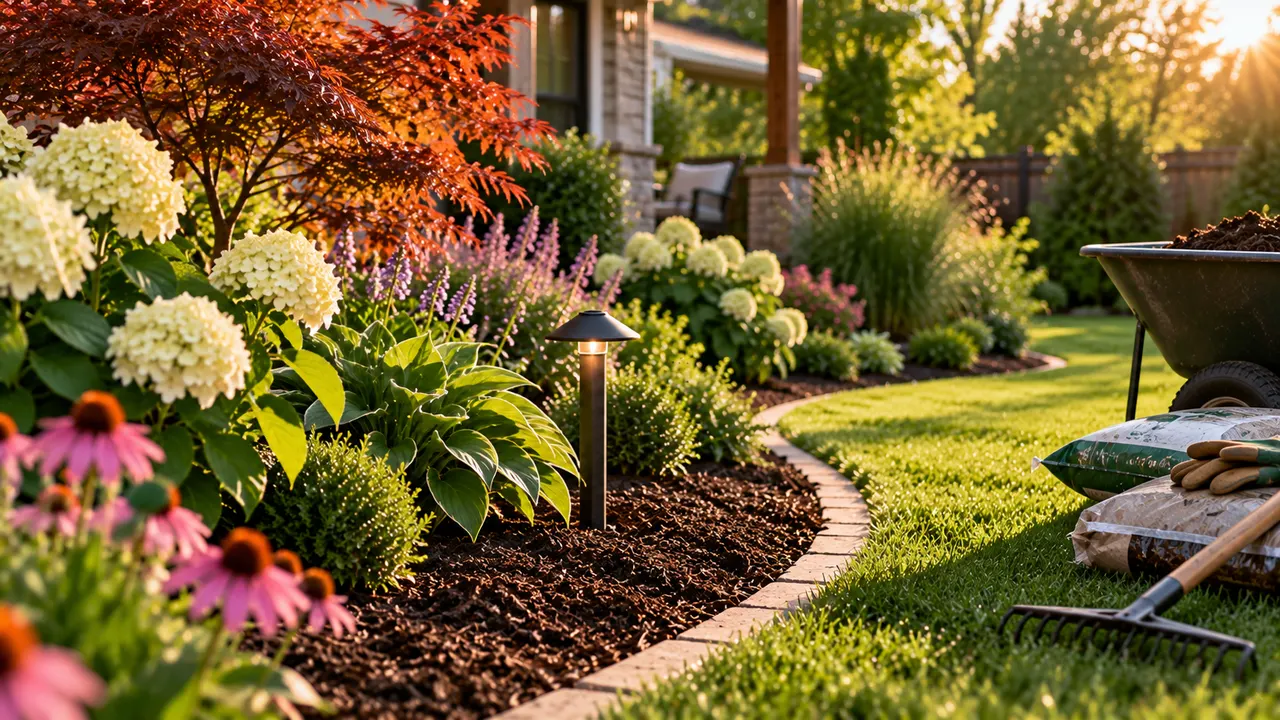
Quick answer
The best low maintenance shrubs hold their shape without shearing, bloom without deadheading and handle dry spells once established. Reliable picks include boxwood and inkberry holly for evergreen structure, spirea and weigela for flowers, ninebark and beautyberry for tough native color, panicle hydrangea, potentilla, low juniper, dwarf fothergilla and arrowwood viburnum.
The best low maintenance shrubs, such as boxwood, inkberry holly, spirea, ninebark and panicle hydrangea, hold their shape on their own, bloom without deadheading and handle dry spells once established. Match them to your sun, soil and space, and most need only one light prune a year.
Not every shrub is created equal. Some need shearing two or three times a season just to look decent, while others can go years with nothing more than an occasional trim. If you want a backyard that looks good without eating up your Saturdays, the shrubs you choose matter more than almost anything else in the yard.
Here are 12 low-maintenance shrubs worth considering, grouped by what makes each one easy to live with. Planning a whole bed? Pair them with the perennials, grasses and groundcovers in our guide to low-maintenance plants for a backyard.
Key Takeaways
- Evergreen shrubs like boxwood and inkberry holly give year-round structure without seasonal cleanup.
- Spirea, weigela and panicle hydrangea bloom reliably without deadheading or complicated pruning rules.
- Native shrubs such as ninebark and beautyberry tolerate poor soil, drought and neglect once established.
- Most low-maintenance shrubs still need one yearly prune, just not the constant shaping some varieties demand.
- Matching a shrub's mature size and sun needs to your yard prevents most future maintenance headaches.
- Even a low-maintenance shrub needs regular watering for its first one to two years in the ground.
Evergreen Structure Without the Shearing
Boxwood (Buxus) is the classic low-maintenance evergreen for a reason. It holds a rounded shape on its own, tolerates part shade to full sun, and only needs one light shaping per year if you want a tidy look. Leave it alone entirely and it still holds up fine as an informal mound.
Most boxwood varieties top out around 2-4 feet tall and wide, which makes them useful for foundation plantings or low hedges without constant cutting back. Plant them far enough out that they won't touch the siding at full size; our guide to landscaping around your house lists safe distances. Boxwood is hardy in zones 5-9 and, once established, only needs supplemental water during extended dry spells.
If you'd rather skip boxwood's occasional pest problems, inkberry holly (Ilex glabra) is a native evergreen alternative with a similar fine-textured, rounded look. It handles wet soil better than boxwood, needs no shaping to stay attractive, and supports native pollinators and birds.
Skip the yearly shearing into tight geometric shapes. Letting boxwood or inkberry holly keep its natural rounded form cuts your maintenance way down and usually looks better in a casual backyard anyway.
Which Flowering Shrubs Don't Need Deadheading?
Spirea and weigela are two of the easiest. Spirea blooms heavily in late spring or early summer, tolerates poor soil, and never needs its spent flowers removed; the shrub simply moves on to new growth. A single cutback in late winter, right before new growth starts, is usually the only pruning it needs all year.
Most spirea varieties stay compact, in the 2-5 foot range, and handle full sun to light shade in zones 3-8. That wide hardiness range is part of why it shows up in so many low-effort landscaping plans.
Weigela covers itself in trumpet-shaped pink or red flowers for several weeks in late spring. It doesn't need deadheading, tolerates average soil, and only asks for a prune every year or two to remove old wood after flowering finishes.
Native Shrubs That Thrive on Neglect
Ninebark (Physocarpus opulifolius) is a North American native that tolerates clay soil, drought and full sun to part shade. Its arching branches and peeling bark give it winter interest, and it rarely needs pruning beyond removing the occasional dead branch.
Give ninebark 5-8 feet of space to spread, since it's not a small shrub, and it will fill that footprint reliably for years with almost no input from you.
Beautyberry (Callicarpa) earns its spot for a different reason: clusters of vivid purple berries in fall with no spraying, feeding or special care. You can cut it back hard in late winter each year to control its size, but skipping that step for a season or two won't hurt it.
Which Hydrangeas Are Low Maintenance?
Panicle and smooth hydrangeas are the easiest because both bloom on new wood, so you can prune them in late winter without losing that year's flowers. There's no guessing about old wood versus new wood like with some other hydrangea types.
Panicle hydrangea (Hydrangea paniculata) tolerates full sun better than most hydrangeas, handles a wider range of soil, and its cone-shaped blooms often fade to a dusty pink through fall instead of browning and dropping.
Smooth hydrangea (Hydrangea arborescens) follows the same easy new-wood rule and tolerates more shade, making it a solid choice for a spot that gets filtered light for part of the day.
Sun-Loving Shrubs for Hot, Dry Spots
Potentilla (shrubby cinquefoil) blooms almost continuously from late spring through fall in yellow, white or pink depending on the variety, and it does this in full sun and lean, dry soil where fussier shrubs would struggle. It stays compact, usually 2-3 feet, and rarely needs more than an occasional light trim.
For a spot that's hot, dry and gets reflected heat off pavement or a south-facing wall, low-spreading juniper varieties are close to maintenance-free. They need no pruning, no deadheading and minimal water once established, and their evergreen texture fills bare, awkward slopes or foundation edges that are hard to plant anything else in.
Four-Season Interest With Almost No Upkeep
Dwarf fothergilla is an underused native shrub with white bottlebrush flowers in spring and some of the best fall color of any low-maintenance shrub, with reds, oranges and yellows sometimes on the same branch. It tops out around 2-3 feet, tolerates part shade, and needs essentially no pruning to look good.
Arrowwood viburnum (Viburnum dentatum) rounds out the list with white spring flowers, blue-black fall berries that birds eat, and reliable fall color. It tolerates a wide range of soil and light conditions, grows 6-8 feet tall and wide, and only needs pruning if you want to control its size. If you need taller, denser screening than a shrub border gives you, look at the best privacy trees for a backyard instead.
| Shrub | Type | Light | Main pruning need |
|---|---|---|---|
| Boxwood | Evergreen | Full sun to part shade | Optional light shaping once a year |
| Inkberry holly | Native evergreen | Full sun to part shade | None needed to stay attractive |
| Spirea | Flowering | Full sun to light shade | One cutback in late winter |
| Weigela | Flowering | Full sun to part shade | Every year or two, after flowering |
| Ninebark | Native, flowering | Full sun to part shade | Remove the occasional dead branch |
| Beautyberry | Native, fall berries | Full sun to part shade | Optional hard cutback in late winter |
| Panicle hydrangea | Flowering | Full sun to part shade | Late winter (blooms on new wood) |
| Smooth hydrangea | Flowering | Part shade | Late winter (blooms on new wood) |
| Potentilla | Flowering | Full sun | Occasional light trim |
| Low-spreading juniper | Evergreen | Full sun | None |
| Dwarf fothergilla | Native, flowering | Full sun to part shade | Essentially none |
| Arrowwood viburnum | Native, flowering | Full sun to part shade | Only to control size |
Low Maintenance Doesn't Mean No Maintenance
Every shrub on this list still needs water during its first one to two years while roots establish, and most benefit from one yearly check for dead or crossing branches. What they don't need is constant shaping, frequent spraying or a rigid pruning schedule to look their best.
Choose a few low maintenance shrubs suited to your yard's sun, soil and space, plant them with room to reach their mature size, and you'll spend a lot less time maintaining your backyard and a lot more time enjoying it.
Frequently Asked Questions
What are the easiest low-maintenance shrubs for beginners?
Boxwood, spirea and potentilla are good starting points because they tolerate a range of soil and light conditions, rarely need spraying for pests or disease, and forgive an inconsistent watering schedule once established.
Do low-maintenance shrubs still need pruning?
Most benefit from one prune a year, usually in late winter, to remove dead wood or control size. That's a very different commitment than shrubs that need shaping several times per season.
What's the best low-maintenance shrub for full sun and dry soil?
Potentilla and low-spreading juniper both handle full sun and dry, lean soil with very little supplemental water once established, making them solid choices for hot spots near driveways, patios or south-facing walls.
Are evergreen shrubs lower maintenance than flowering shrubs?
Not automatically. Evergreens like boxwood skip the seasonal cleanup flowering shrubs need, but some evergreens need frequent shaping to hold a formal look. A flowering shrub like spirea or potentilla can be just as low-effort if you let it keep its natural form.
How far apart should I space low-maintenance shrubs?
Space shrubs based on their mature width, not their size in the pot. A shrub with a 4-foot mature spread should generally go about 4 feet from its neighbor so it doesn't need constant pruning just to stay out of the next plant's space.
Published · Last updated . Written by the Backyard with Ben team from standard, widely published guidance. About us.
More for your backyard
Gear up with our top-rated tool picks, shop the look if you'd rather buy than build, or read a related guide. See all Plants & Trees guides.
Related guides
 AI-generatedPlants & Trees
Best Low-Maintenance Plants for a Backyard: Perennials, Grasses and Groundcovers
The easiest backyards use plants suited to their climate: tough perennials, ornamental grasses that need one cutback a year and groundcovers that crowd out weeds, grouped by water needs and mulched.
 AI-generatedPlants & Trees
Best Privacy Trees for Backyards: Fast-Growing Options and Spacing
Thuja Green Giant and Leyland cypress are the fastest reliable privacy trees, Emerald Green arborvitae suits narrow yards, and Nellie Stevens holly or Skip laurel handle partial shade.
 AI-generatedLandscaping
9 Front Yard Landscaping Ideas to Boost Curb Appeal
Sharpen your bed edges, layer plants by height, frame the entry and light the path. Most of these front yard landscaping ideas are weekend projects, not months-long overhauls.