
Best Low-Maintenance Plants for a Backyard: Perennials, Grasses and Groundcovers
The easiest backyards use plants suited to their climate: tough perennials, ornamental grasses that need one cutback a year and groundcovers that crowd out weeds, grouped by water needs and mulched.
 By the Backyard with Ben teamUpdated · 6 min read
Quick answer
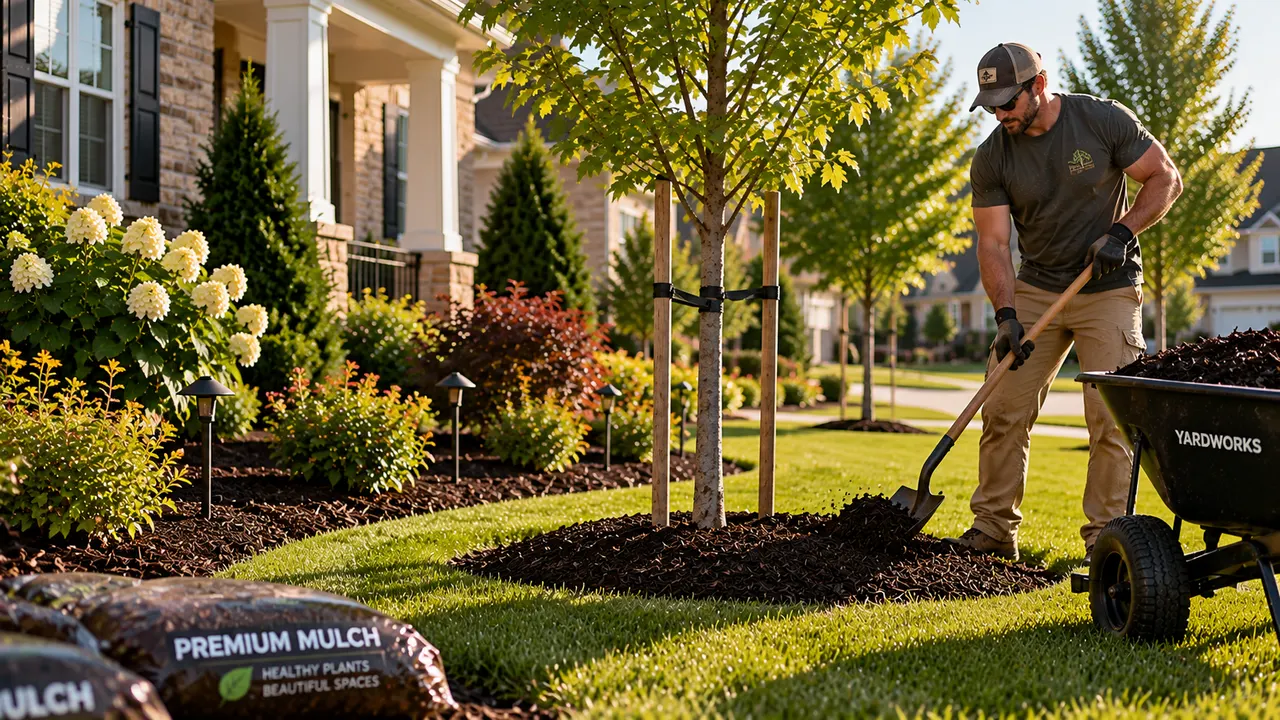
The best low maintenance plants for a backyard are tough perennials like coneflower, black-eyed Susan and daylilies, shade plants like hostas and coral bells, ornamental grasses such as feather reed grass and switchgrass, and groundcovers like creeping thyme and sedum. Choose plants suited to your zone, group them by water needs and mulch the beds.
The best low maintenance plants for a backyard are ones that already suit your climate: tough perennials like coneflower and daylilies, ornamental grasses that need one cutback a year, and groundcovers that crowd out weeds. Pair them with a few smart habits, like grouping plants by water needs and mulching every bed, and the garden looks good even on weeks you don't touch it.
A beautiful backyard doesn't have to mean hours of weeding, pruning and babying fussy plants every weekend.
Here's a rundown organized by plant type, so you can build a garden that mostly takes care of itself.
Key Takeaways
- Native and drought-tolerant perennials need far less watering and fertilizing than fussy hybrids.
- Low-maintenance shrubs hold their shape without constant pruning and give beds year-round structure.
- Groundcovers fill bare soil and crowd out weeds without any mowing.
- Ornamental grasses provide year-round structure with just one annual cutback.
- Grouping plants by water needs (hydrozoning) cuts down on maintenance across the whole yard.
- Mulching low-maintenance beds reduces both watering frequency and weeding time.
Low-Maintenance Perennials That Come Back Every Year
Perennials are the backbone of a low-maintenance backyard because they return on their own each spring instead of needing to be replanted like annuals.
Coneflower (Echinacea), black-eyed Susan (Rudbeckia) and daylilies (Hemerocallis) are three of the most reliable low-maintenance perennials for full-sun beds. All three tolerate average to poor soil, need minimal fertilizing, and shrug off short dry spells once established.
For part-shade areas, hostas and heuchera (coral bells) fill space reliably year after year with few pest or disease issues in most home gardens.
Cut most perennials back to a few inches in late fall or early spring rather than deadheading constantly through summer. It's one pass of work instead of a weekly chore.
Shrubs That Hold Their Shape Without Constant Pruning
Shrubs give a low-maintenance garden its backbone, as long as you pick ones that naturally grow into a neat form and only need pruning once a year, if that. For specific picks, from boxwood and spirea to ninebark and panicle hydrangea, see our list of 12 low-maintenance shrubs.
Avoid fast-growing shrubs like privet or forsythia in low-maintenance beds unless you enjoy pruning, since they can put on 2-3 feet of growth in a single season and need regular cutting back to stay in bounds.
Which Groundcovers Crowd Out Weeds?
Creeping thyme, sedum and creeping phlox are three easy groundcovers for sunny spots that fill bare soil and leave weeds little room to sprout. Bare soil between plants is an open invitation for weeds, and groundcovers solve that by filling the space themselves.
All three are low, spreading plants that establish within a season or two and need very little care once filled in. Skip vinca minor and English ivy, which are often sold as groundcovers but are considered invasive in many parts of the US.
Groundcovers work especially well on slopes or awkward strips where mowing grass is a hassle; once established, they remove that mowing chore entirely.
When Should You Cut Back Ornamental Grasses?
Cut them back to a few inches above the ground in late winter or very early spring, before new growth starts. That single trim is typically the only maintenance ornamental grasses need all year, which is why they add so much movement and texture for so little work.
Feather reed grass (Karl Foerster), little bluestem and switchgrass are hardy, drought-tolerant options that stay upright through fall and winter, adding visual interest even in the off-season.
Group Plants by Water Needs (Hydrozoning)
One of the biggest hidden causes of extra maintenance is mixing thirsty plants with drought-tolerant ones in the same bed. You end up either overwatering the tough plants or underwatering the thirsty ones.
Grouping plants with similar water requirements together, a practice called hydrozoning, means you can water each zone appropriately instead of compromising across the whole yard.
Put drought-tolerant perennials, ornamental grasses and most shrubs in one zone that gets watered less often, and reserve more frequent watering for any higher-maintenance plants you choose to keep.
| Plant type | Easy examples | Light | Main yearly task |
|---|---|---|---|
| Sun perennials | Coneflower, black-eyed Susan, daylily | Full sun | One cutback in late fall or early spring |
| Shade perennials | Hosta, coral bells | Part shade | Clear old foliage once a year |
| Ornamental grasses | Feather reed grass, little bluestem, switchgrass | Full sun | One cutback in late winter |
| Groundcovers | Creeping thyme, sedum, creeping phlox | Full sun | Little to none once filled in |
| Shrubs | Boxwood, spirea | Varies by shrub | One light prune a year, if any |
Choose Plants Suited to Your Climate, Not Just the Photo
The single biggest driver of ongoing maintenance is choosing a plant that isn't suited to your climate in the first place.
A plant rated for your USDA Hardiness Zone will handle your winter cold without extra babying, while a mismatched plant will need constant intervention just to survive. Check its zone range and whether it's native or naturalized in your region before buying.
Soil matters just as much as climate. Plants settle in faster in loose, well-drained ground, so if your beds are compacted or heavy clay, start by preparing your garden soil before planting.
Mulch Every Low-Maintenance Bed
Mulch is one of the simplest ways to reduce both watering frequency and weeding time across an entire garden bed.
A 2-3 inch layer of shredded bark or wood mulch slows moisture evaporation from the soil and blocks sunlight from reaching weed seeds, cutting down on both chores at once.
Refresh mulch once or twice a year as it breaks down, keeping it pulled a few inches back from plant stems and tree trunks so moisture doesn't sit directly against them.
A Low-Maintenance Garden Is Still a Beautiful One
Choosing the right low-maintenance plants doesn't mean settling for a boring backyard. Perennials, shrubs, groundcovers and ornamental grasses can combine into a garden that's just as colorful and textured as a high-maintenance one, minus the constant upkeep.
Start by swapping out the highest-maintenance plants in your current beds for one or two of the options above, and avoid the common gardening mistakes that cost you time and money as you build from there.
Frequently Asked Questions
What are the easiest low-maintenance plants for beginners?
Black-eyed Susan, daylilies, sedum and ornamental grasses like feather reed grass are excellent starting points. They tolerate a wide range of soil and watering mistakes while still looking good.
Do low-maintenance plants still need watering?
Yes, especially during their first year while roots establish. After that, most low-maintenance and drought-tolerant plants only need supplemental watering during extended dry spells.
What are good low-maintenance plants for shade?
Hostas and coral bells are reliable for part shade, and many native ferns also do well in shady spots. If deer visit your yard, be aware that hostas are a favorite deer snack.
How do I make an existing garden lower maintenance?
Start by removing or relocating the highest-upkeep plants, group the remaining plants by water needs, and add 2-3 inches of mulch to every bed to cut down on both watering and weeding.
Are native plants always lower maintenance?
Usually, but not always. Native and regionally adapted plants are suited to your local rainfall, soil and temperature swings, so they typically need less watering, fertilizing and pest control, but they still need the right sun and soil for their species.
Published · Last updated . Written by the Backyard with Ben team from standard, widely published guidance. About us.
More for your backyard
Gear up with our top-rated tool picks, shop the look if you'd rather buy than build, or read a related guide. See all Plants & Trees guides.
Related guides
 AI-generatedPlants & Trees
12 Low-Maintenance Shrubs That Look Great Without Constant Work
Boxwood, inkberry holly, spirea, ninebark and panicle hydrangea are among the easiest shrubs to grow: they hold their shape, skip deadheading and need about one light prune a year once established.
 AI-generatedGardening
How to Prepare Garden Soil Step by Step
Test your soil, clear the bed, loosen it 8-12 inches deep and work 2-4 inches of compost into the top 6-8 inches. Adjust pH based on your results, then let the bed settle for 1-2 weeks before planting.
 AI-generatedPlants & Trees
10 Best Trees for Your Backyard: Shade, Flowers and Small Spaces
The best backyard tree depends on your space and goal: dogwood, redbud or serviceberry for spring color, red maple or white oak for shade, and Japanese maple for small yards. Check your zone and mature size first.