
7 Gardening Mistakes Costing You Time, Money and Blooms
The gardening mistakes that cost the most are buying plants without a plan, using worn-out tools, skipping deadheading, guessing at fertilizer, overpaying for mature plants, ignoring bloom time and skipping soil prep. Each has a simple fix.
 By the Backyard with Ben teamUpdated · 7 min read
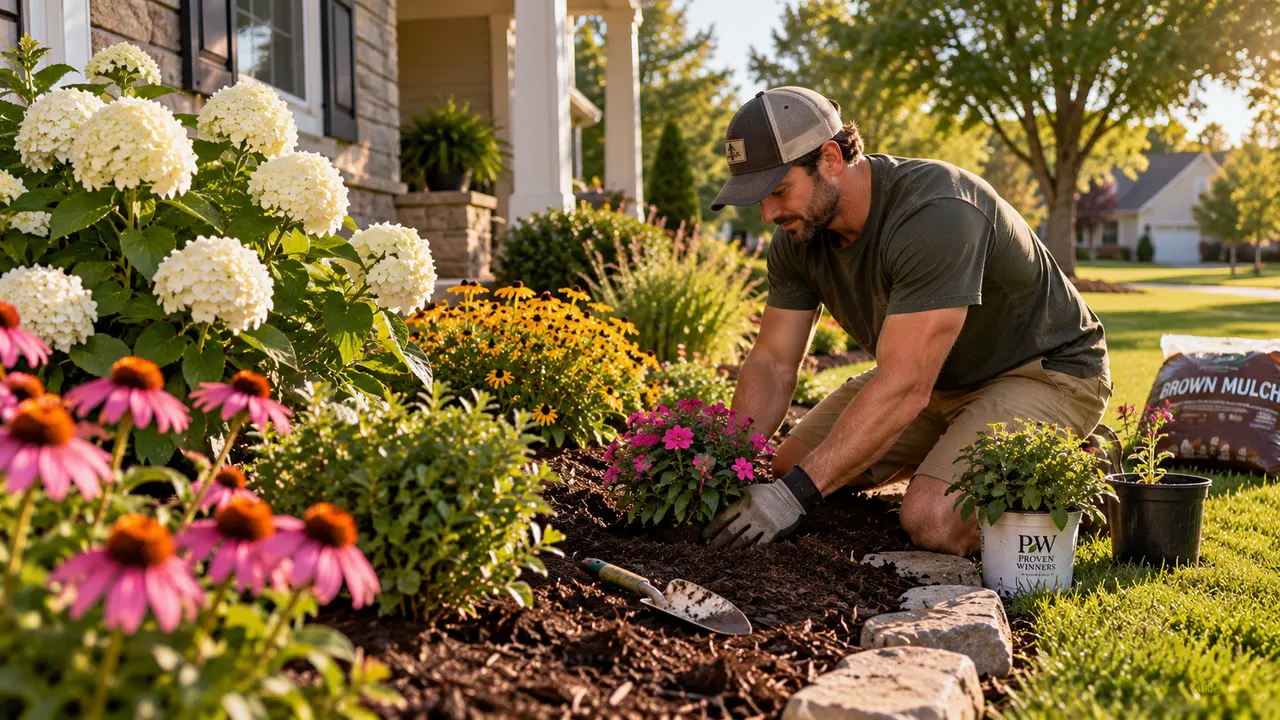
Quick answer
The most common gardening mistakes are impulse-buying plants without a spot for them, using cheap tools that tear plants, skipping deadheading, using high-nitrogen fertilizer on flowers, paying extra for oversized plants, planting everything to bloom at once and skipping soil prep. Fix them with a simple plan, sharp tools, regular deadheading and compost at planting.
The gardening mistakes that cost you the most are usually habits, not a missing green thumb: buying plants without a plan, skipping deadheading, guessing at fertilizer and planting into unprepared soil. Each one quietly drains your weekends, your wallet and the number of blooms you get to enjoy.
Most of these are habits picked up early and never questioned. A few small corrections can mean fewer repeat trips to the garden center and noticeably better flowering by midseason.
Here are seven gardening mistakes worth fixing if you want more blooms for less time and money.
Key Takeaways
- Buying plants on impulse without a plan wastes money on things that never get properly placed.
- Cheap, worn tools cost more over time than one quality set that lasts for years.
- Skipping deadheading is one of the simplest ways to reduce your total bloom count.
- Guessing at fertilizer needs can waste money and actually reduce flowering.
- Buying the largest, most mature plants is rarely worth the extra cost.
- Ignoring bloom time when planning means gaps where nothing is flowering at all.
Buying Plants on Impulse Instead of Planning Ahead
Grabbing whatever looks good at the garden center on a Saturday is one of the most expensive gardening mistakes, because impulse plants rarely have a real spot waiting for them.
Without a plan, plants get wedged into whatever gap is available, whether or not the light, soil or spacing fits. Many never establish well, and the money is essentially lost.
Spend twenty minutes before a shopping trip mapping which beds actually need plants and how many. A simple sketch with sun exposure noted for each area is enough, and checking when to plant for your frost dates keeps you from buying tender plants weeks too early.
Keep a running list on your phone of gaps in your garden as you notice them through the season, so you shop with a purpose instead of browsing and hoping.
Using Cheap Tools That Wear Out Fast
Bargain-bin pruners might seem like a deal, but dull, flimsy tools make every task slower and often damage the plants you're working on.
Ragged cuts from a dull blade heal more slowly and are more vulnerable to disease, which can reduce next season's blooms on shrubs and roses.
A quality pair of bypass pruners, a solid hand trowel and decent gloves cost more upfront but last for many seasons instead of needing replacement every year or two. Keep blades clean and sharp, and they'll make cleaner cuts for years.
Does Skipping Deadheading Really Cost You Flowers?
Yes, on most repeat-blooming plants. Deadheading, or removing spent blooms, is one of the simplest tasks to skip and one of the most directly tied to how many flowers a plant produces.
Once a bloom fades, many annuals and perennials put their energy into making seeds. Removing the spent flower redirects that energy into new blooms instead.
For repeat bloomers like petunias, salvia and many roses, a quick deadheading pass once or twice a week in peak season can noticeably extend flowering through summer. Skip it on plants grown for seed heads or self-sown seedlings you want to keep.
Guessing at Fertilizer Instead of Matching It to the Plant
More fertilizer doesn't mean more flowers, and the wrong type can work against blooming.
A high-nitrogen fertilizer (a high first number in the N-P-K ratio) pushes leafy green growth at the expense of flowers. That's useful for lawns but often counterproductive in a flower bed, so leftover lawn fertilizer is a poor choice there.
For flower beds, use a balanced or bloom-labeled formula at the rate on the label, and let a soil test guide you if plants still struggle. Many garden soils already have enough phosphorus, so a test keeps you from adding nutrients you don't need.
Always Buying the Largest, Most Mature Plants
A large plant already in bloom is tempting, but it usually costs significantly more than a smaller version of the same plant, and the size gap often closes within a season or two.
Smaller perennials and shrubs tend to establish roots quickly relative to their size and can catch up to a larger transplant within one or two growing seasons.
Save the splurge on mature plants for a few focal points near an entrance or patio, and fill the rest of the bed with smaller plants that will grow in over time.
How Do You Keep a Garden Blooming All Season?
Mix plants that flower in spring, summer and fall instead of choosing several that all bloom at once. A bed can look fantastic in a June photo and disappointing by August if every plant peaks in the same few weeks.
Check the expected bloom window on each plant tag and aim for overlap across the seasons. A few reliable long bloomers, like coneflower or black-eyed Susan, help bridge the gaps. Our list of low-maintenance plants for a beautiful backyard is a good place to find easy, long-flowering options.
Ignoring Soil Prep Before Planting
Dropping a plant straight into compacted or poor native soil is one of the fastest ways to end up with a struggling, slow-blooming plant, no matter what it cost.
Working a few inches of compost into the planting area first improves drainage and gives roots an easier place to establish. For a new bed, follow these steps for preparing garden soil, from testing pH to loosening compacted ground.
Ten extra minutes amending soil at planting time is far cheaper than replacing a plant that never thrived, and it pays off in stronger growth and better flowering the same season.
Small Corrections Add Up to a Better Garden
Here's each mistake at a glance:
| Mistake | What it costs you | Quick fix |
|---|---|---|
| Impulse plant buying | Money on plants with no suitable spot | Shop from a list and a simple bed sketch |
| Cheap, dull tools | Slower work, ragged cuts, disease | A few quality tools, kept sharp |
| Skipping deadheading | Fewer, shorter-lived blooms | Quick deadheading pass once or twice a week |
| Guessing at fertilizer | Leaves instead of flowers; wasted product | Balanced or bloom formula, guided by a soil test |
| Buying only large plants | Higher cost for a short-lived size advantage | Smaller plants, with a few focal-point splurges |
| Ignoring bloom time | Long stretches with no color | Mix spring, summer and fall bloomers |
| Skipping soil prep | Slow, struggling plants | Work compost in before planting |
None of these require a bigger budget, just a shift in habits. Pick one or two to change first, watch how your garden responds, then move on to the next. Small, consistent adjustments tend to outperform one big overhaul.
Frequently Asked Questions
What is the most common gardening mistake beginners make?
Buying plants without a plan is one of the most common and costly, since plants without a suitable spot often struggle or get discarded. Overwatering and planting too early in spring are close behind.
What fertilizer helps plants bloom more?
Avoid nitrogen-heavy formulas, which favor leaves over flowers. A balanced or bloom-labeled fertilizer applied at the label rate works for most flower beds, and a soil test tells you whether your soil actually lacks phosphorus or potassium.
Is it worth buying smaller, cheaper plants instead of mature ones?
Often, yes. Smaller perennials and shrubs tend to establish quickly and can catch up to a larger, more expensive transplant within one or two growing seasons.
When is the best time to plant perennials?
Spring and early fall are generally best. Mild temperatures and more reliable rain help roots establish before summer heat or winter cold, while planting in the middle of a hot summer means much more watering.
Published · Last updated . Written by the Backyard with Ben team from standard, widely published guidance. About us.
More for your backyard
Gear up with our top-rated tool picks, shop the look if you'd rather buy than build, or read a related guide. See all Gardening guides.
Related guides
 AI-generatedGardening
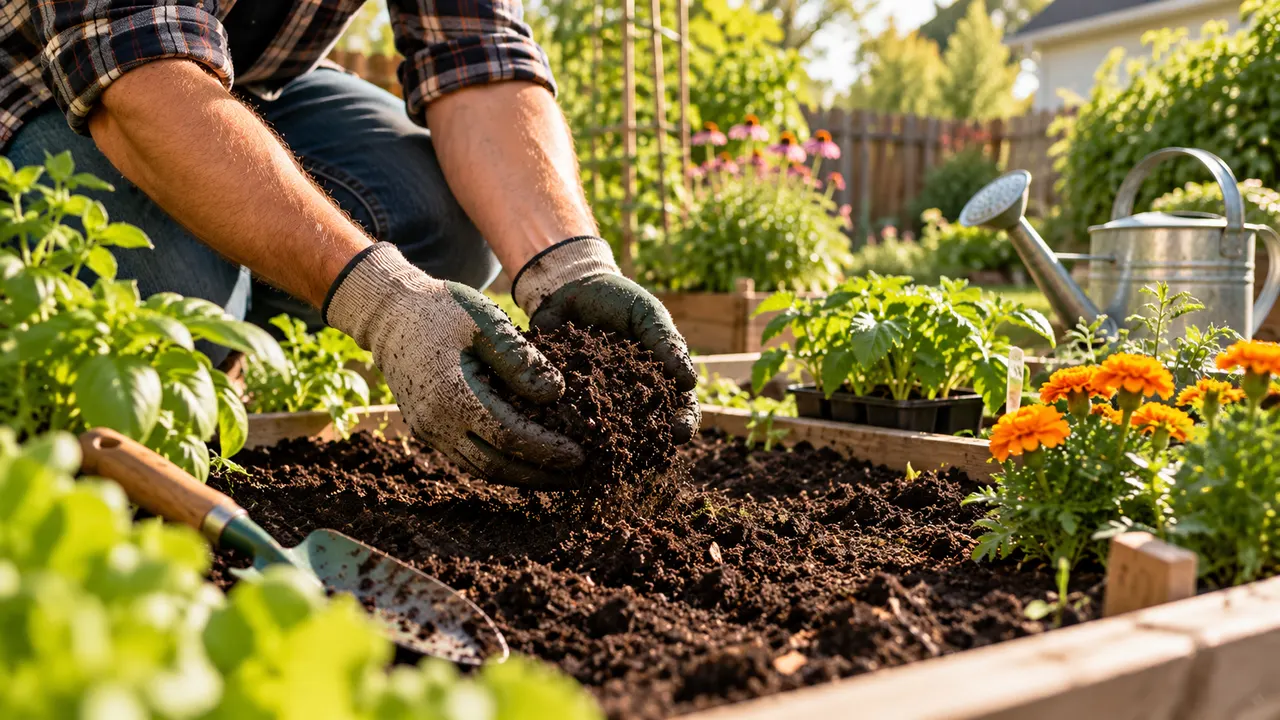
How to Prepare Garden Soil Step by Step
Test your soil, clear the bed, loosen it 8-12 inches deep and work 2-4 inches of compost into the top 6-8 inches. Adjust pH based on your results, then let the bed settle for 1-2 weeks before planting.
 AI-generatedGardening
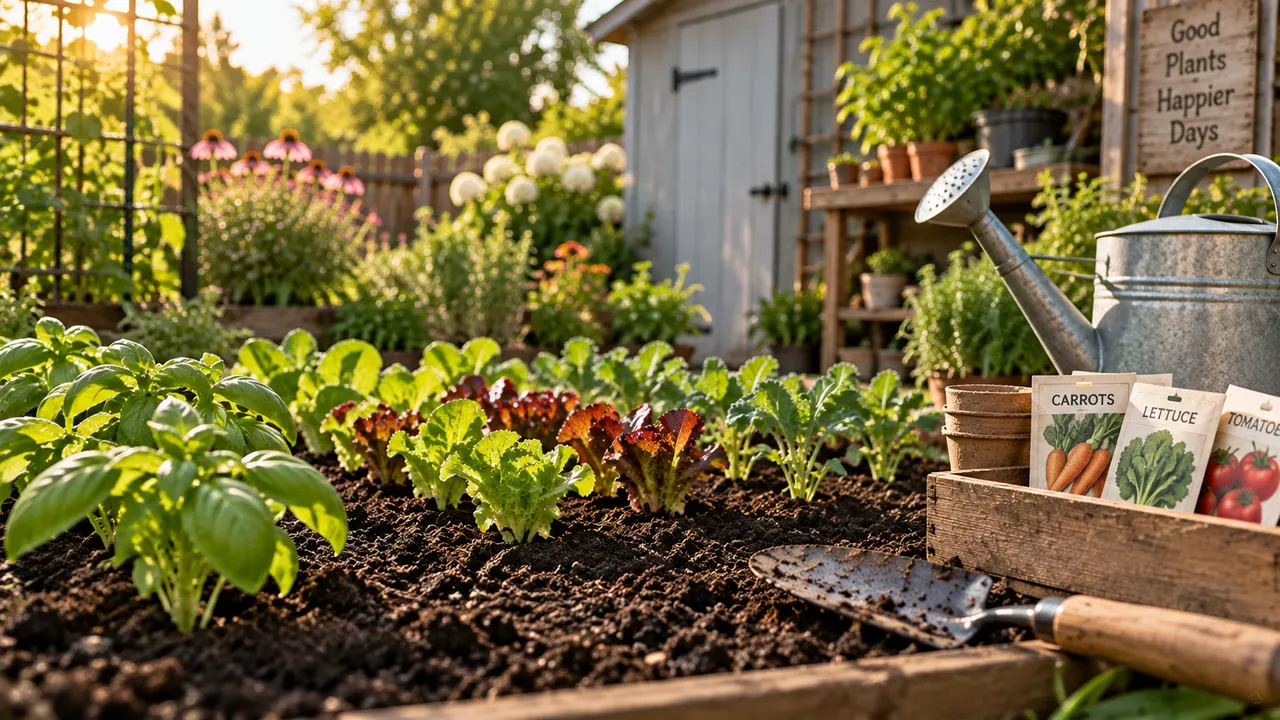
When to Plant a Garden: A Simple Guide for Every Season
Plant by your local frost dates, not the calendar: cool-season crops go in 2-4 weeks before your last spring frost, and warm-season crops follow 1-2 weeks after it, once soil reaches about 60°F.
 AI-generatedGardening
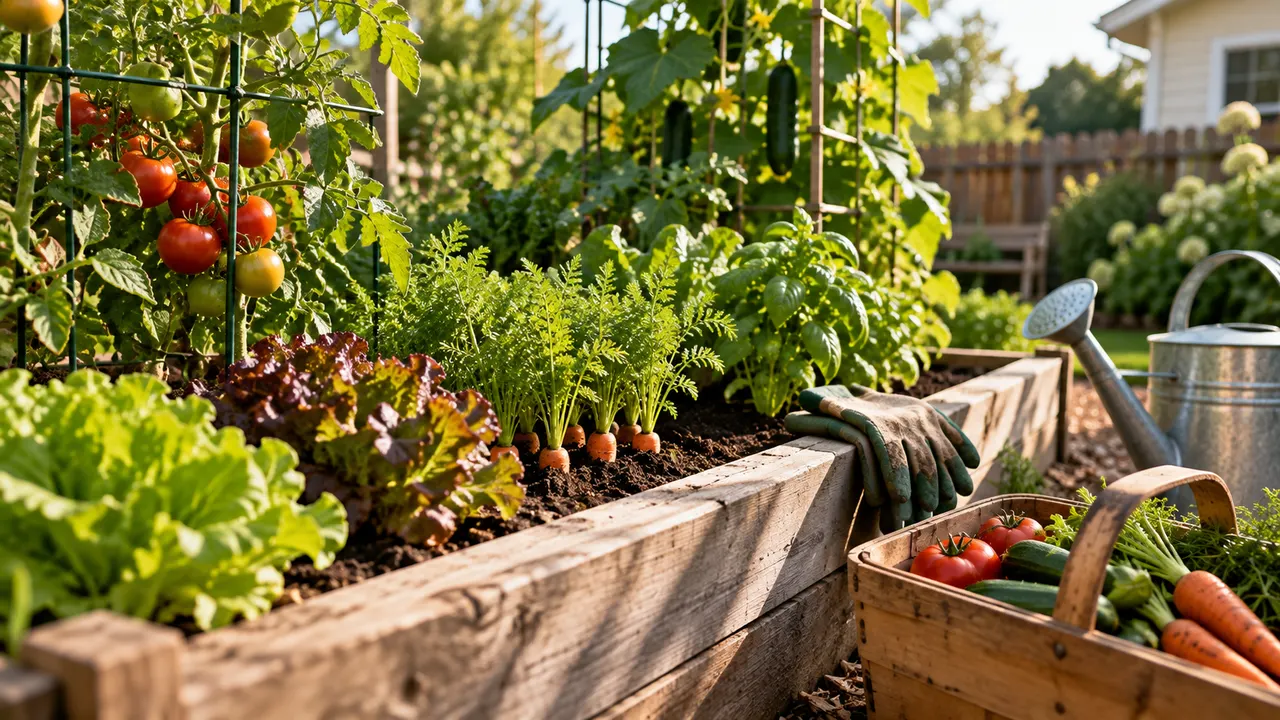
Best Vegetables for Raised Garden Beds (Beginner Guide)
The easiest vegetables for a first raised bed are leaf lettuce, bush beans, radishes, bush tomatoes, peppers, zucchini and carrots. Pick compact bush varieties and skip sprawling vines like pumpkins until your second season.