
Best Vegetables for Raised Garden Beds (Beginner Guide)
The easiest vegetables for a first raised bed are leaf lettuce, bush beans, radishes, bush tomatoes, peppers, zucchini and carrots. Pick compact bush varieties and skip sprawling vines like pumpkins until your second season.
 By the Backyard with Ben teamUpdated · 8 min read
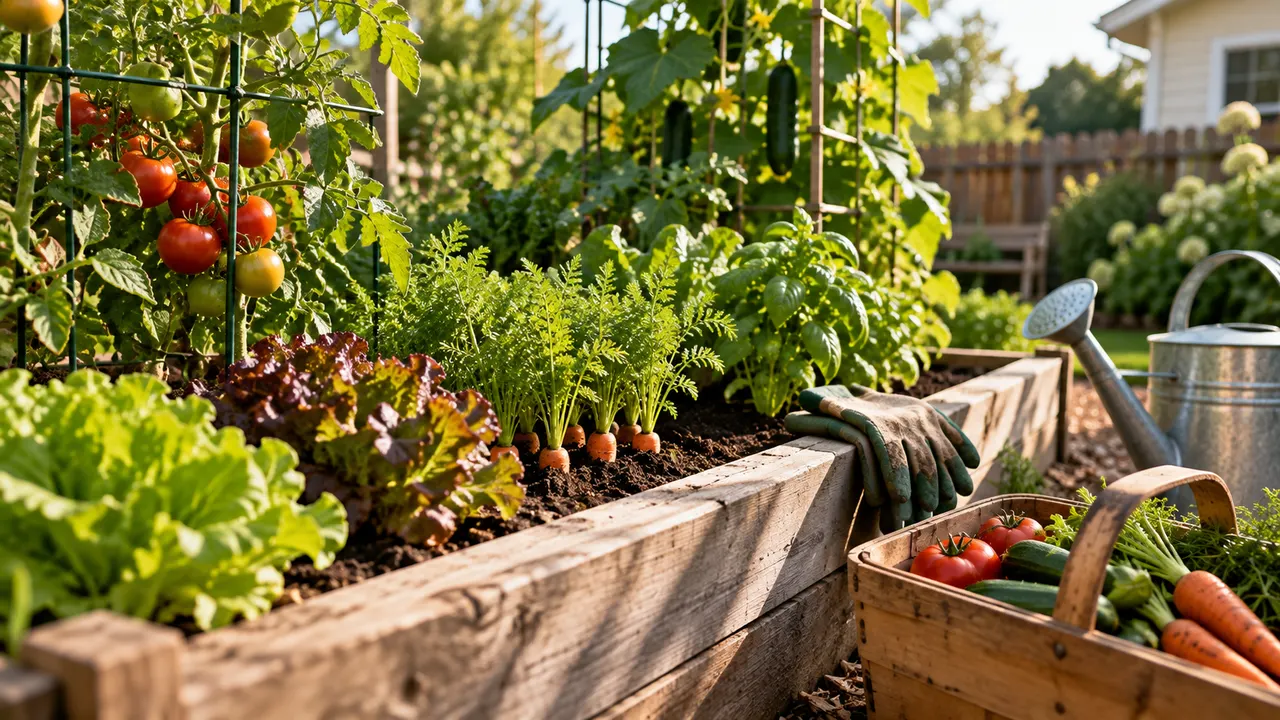
Quick answer
The best vegetables for raised garden beds if you're a beginner are leaf lettuce and salad greens, bush beans, radishes, determinate (bush) tomatoes, peppers, bush zucchini and carrots. They grow quickly or compactly, need little support and thrive in loose, well-drained bed soil. Skip pumpkins, melons and winter squash in your first small bed.
The best vegetables for raised garden beds when you're starting out are the forgiving ones: leaf lettuce, bush beans, radishes, bush tomatoes, peppers, zucchini and carrots. They grow fast or stay compact, and they make the most of the loose, warm, well-drained soil a raised bed gives you.
Raised beds warm up faster in spring, drain better than compacted yard soil and let you control exactly what your vegetables grow in. Some crops take that advantage and run with it, while others still need things a small bed can't provide, like room for long vines or a very long season.
If you're building your first raised bed this year, here's what to plant, how much room each crop needs, and what to wait on until you have a season of experience behind you.
Key Takeaways
- Leafy greens, bush beans, radishes and herbs are the most forgiving crops for a first raised bed.
- Choose determinate or bush varieties of tomatoes and squash; they take up less space and need less staking than sprawling types.
- Most raised bed vegetables want at least 12 inches of soil depth; root crops like carrots want closer to 16 inches.
- Group vegetables by how fast they grow so you can replant fast-maturing crops several times in one season.
- Skip sprawling vine crops like pumpkins and full-size winter squash in a small first bed; they'll outgrow it within weeks.
- A 4x8-foot bed is a practical size for a beginner to manage without feeling overwhelmed.
Leaf Lettuce and Salad Greens
Leaf lettuce, spinach and other salad greens top almost every list of the best vegetables for raised garden beds: they germinate quickly, tolerate light frost, and you can start harvesting in about 30 days.
Unlike a head of iceberg that you cut once, loose-leaf varieties let you pick outer leaves while the plant keeps producing from the center, so one small patch can supply salads for weeks.
Greens also suit shallower beds, since their roots stay mostly in the top 6-8 inches. Tuck them along bed edges or into gaps between slower crops like tomatoes and peppers.
Sow a short row of lettuce or spinach every 2 weeks instead of planting it all at once. This succession planting keeps fresh greens coming all season instead of one huge batch that bolts and turns bitter before you can eat it.
Bush Beans
Bush beans are about as low-effort as vegetable gardening gets. Sow seed directly after your last frost date and you'll typically be picking beans in 50-60 days, with no trellis or stakes.
Pole beans climb and need 6 feet or more of support. Bush beans stay compact, usually 12-24 inches tall, which makes them a better fit for a first bed where you don't want to build a trellis system in year one.
Beans also team up with soil bacteria to fix nitrogen, which is a nice bonus for whatever you plant next. Sow a new round every 2-3 weeks through early summer for a steady harvest instead of one big flush.
Radishes
If you want proof your raised bed is working within a month, plant radishes. Many varieties are ready to pull in 21-28 days, making them one of the fastest vegetables you can grow.
They also work as a marker crop. Because they sprout so quickly, gardeners often mix radish seed in with slow-germinating carrots so the row is visible before the carrots come up.
Radishes need only about 2 inches between seeds. Left in the ground too long after maturing, though, they turn woody and overly spicy, so start checking them around the 3-week mark.
Determinate (Bush) Tomatoes
Tomatoes are the crop most new gardeners want, and raised beds suit them well because you control soil quality and drainage from the start. The key is choosing the right type.
Determinate, or bush, varieties grow to a set height, usually 3-4 feet, produce most of their fruit within a few weeks and need only a stake or small cage. Indeterminate varieties keep growing all season and can reach 6-8 feet, needing a much sturdier trellis than most beginners want to manage.
Space tomato plants about 18-24 inches apart even in a raised bed. Crowding them reduces airflow, and good airflow is one of the best defenses against common diseases like blight.
Give tomatoes at least 6-8 hours of direct sun and consistent watering, roughly 1-2 inches per week, and a bush variety will reward you with a genuinely satisfying harvest.
Peppers
Bell peppers and most hot peppers are compact, sun-loving and well suited to the warm, well-drained soil of a raised bed. Most varieties stay under 2-3 feet tall and need little staking.
They're slower than beans or radishes: expect 60-90 days from transplant to first harvest, and don't worry if growth looks slow for the first few weeks while roots establish.
Peppers are also more cold-sensitive than tomatoes. Wait until nights stay reliably above 55°F before transplanting; an early cold snap can stunt them for the rest of the season. Our guide on when to plant a garden explains how to time warm-season crops around your last frost date.
Zucchini and Summer Squash
Zucchini and yellow summer squash famously produce more than most households can eat from one or two plants, which makes them a confidence-building first crop.
Bush varieties stay reasonably contained, unlike winter squash or pumpkins, which send vines 10 feet or more. Still, give each plant about 2-3 feet of space, since the leaves alone spread wide.
Squash is also a good way to learn about pollination. If flowers form but no fruit develops, it's often a pollination issue rather than a plant health problem, and moving pollen from a male flower to a female flower with a small paintbrush can solve it.
Harvest zucchini young, around 6-8 inches long. Left longer, it turns into a tough, seedy, baseball-bat-sized squash.
Carrots
Carrots are a little trickier, but a raised bed solves their biggest obstacle: compacted, rocky soil. Straight, unforked roots need loose soil free of rocks and clumps, which is exactly what a well-filled bed provides. If you're filling or refreshing a bed, these steps for preparing garden soil help you get that loose texture.
Aim for at least 12 inches of loose soil for most carrots, closer to 16 inches for long types. Short, round varieties work in shallower beds.
Carrot seed is slow, often taking 10-14 days to sprout, and easy to wash away. Keep the top inch of soil moist rather than soaked, and thin seedlings to about 2 inches apart once they're a few inches tall.
How Much Space and Soil Depth Do These Vegetables Need?
Most beginner crops need 6-12 inches of loose soil and anywhere from 2 inches to 3 feet of spacing. Use this as a planning guide; seed packets list exact figures for each variety.
| Vegetable | Approx. time to first harvest | Spacing | Minimum soil depth |
|---|---|---|---|
| Leaf lettuce and greens | About 30 days | 4-8 inches | 6-8 inches |
| Radishes | 21-28 days | 2 inches | 6 inches |
| Bush beans | 50-60 days | 3-6 inches | 8-12 inches |
| Bush tomatoes | About 60-80 days from transplant | 18-24 inches | 12 inches+ |
| Peppers | 60-90 days from transplant | 12-18 inches | 12 inches |
| Bush zucchini | About 45-60 days | 2-3 feet | 12 inches |
| Carrots | About 60-75 days | 2 inches after thinning | 12-16 inches |
If you haven't built your bed yet, here's how to build a raised garden bed in a weekend deep enough for every crop on this list, or browse ready-made raised garden beds if you'd rather skip the build.
Start Small and Let the Bed Teach You
You don't need to fill every inch of your first raised bed to call the season a success. A handful of the best vegetables for raised garden beds, like a row of lettuce, a few bush beans and one or two tomato plants, gives you plenty to learn from without overwhelming you.
Pay attention to what thrives in your bed this year. Sun patterns, soil settling and watering habits are all easier to understand after one real season than from any chart, and that experience makes next year's garden better.
Frequently Asked Questions
What are the easiest vegetables to grow in a raised garden bed?
Leaf lettuce, radishes and bush beans are generally the easiest for beginners because they germinate quickly, tolerate minor watering mistakes and don't need staking or trellising. Radishes can be ready in about three weeks.
Can you grow tomatoes and peppers in the same raised bed?
Yes. Tomatoes and peppers share similar needs (full sun, warm soil and consistent watering), which makes them a natural pairing. Give tomatoes 18-24 inches and peppers 12-18 inches so they don't compete for light and airflow.
What vegetables should beginners avoid in a small raised bed?
Sprawling vine crops like pumpkins, melons and full-size winter squash need far more room than a typical first bed, often 20-50 square feet per plant. Indeterminate tomatoes and pole beans can also outgrow a beginner's support setup quickly.
How many vegetable plants fit in a 4x8 raised bed?
It depends on the mix. Planted with a single crop, a 4x8-foot bed holds roughly 8 tomato plants at 2 feet apart or 3-4 bush squash. A typical beginner mix might be 2-3 tomato or pepper plants, one squash, and rows of beans, radishes or greens in the remaining space.
Do raised bed vegetables need different care than in-ground vegetables?
The main difference is watering. Raised beds drain faster and dry out sooner than in-ground soil, so most vegetables need more frequent watering, especially in hot weather. Sunlight, spacing and harvest timing are otherwise the same.
Published · Last updated . Written by the Backyard with Ben team from standard, widely published guidance. About us.
More for your backyard
Gear up with our top-rated tool picks, shop the look if you'd rather buy than build, or read a related guide. See all Gardening guides.
Related guides
 AI-generatedDIY Projects
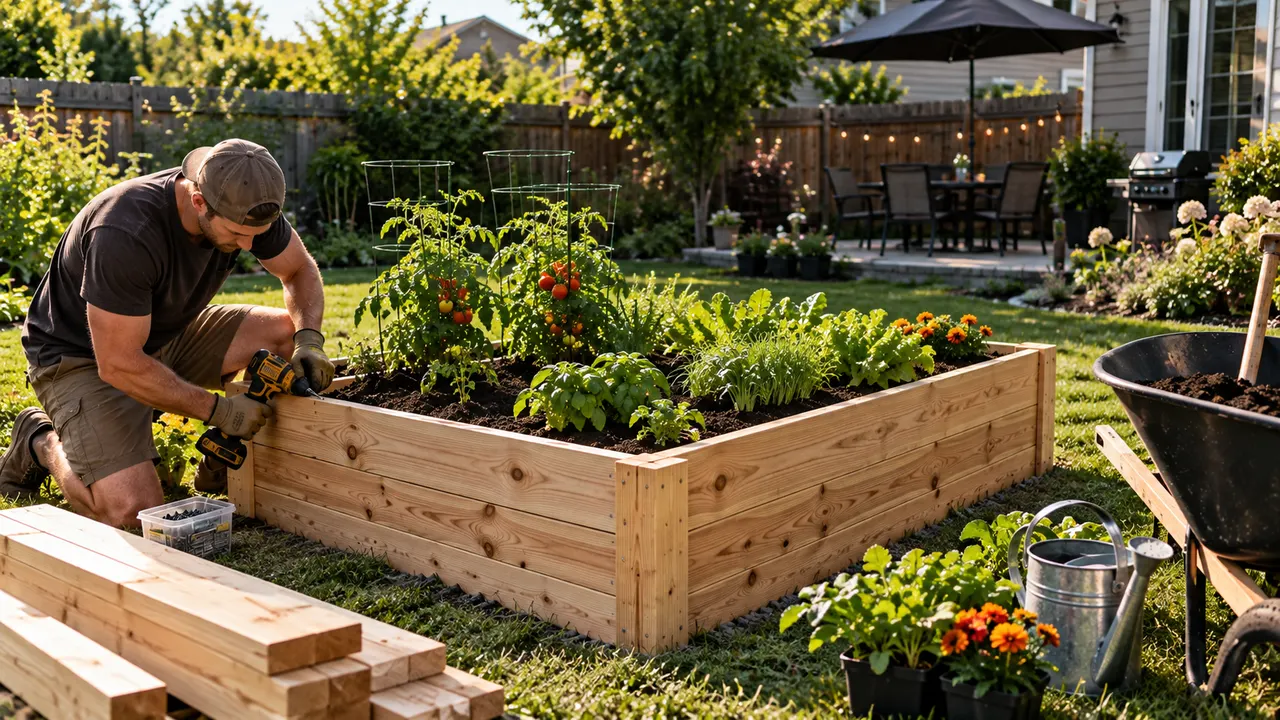
How to Build a Raised Garden Bed in a Weekend
To build a raised garden bed, screw four 2x10 boards of cedar, redwood or untreated pine into a 4-by-8-foot frame, level it on cleared ground, line it with cardboard and fill it with a topsoil and compost mix. It takes about a weekend with a drill and basic tools.
 AI-generatedGardening
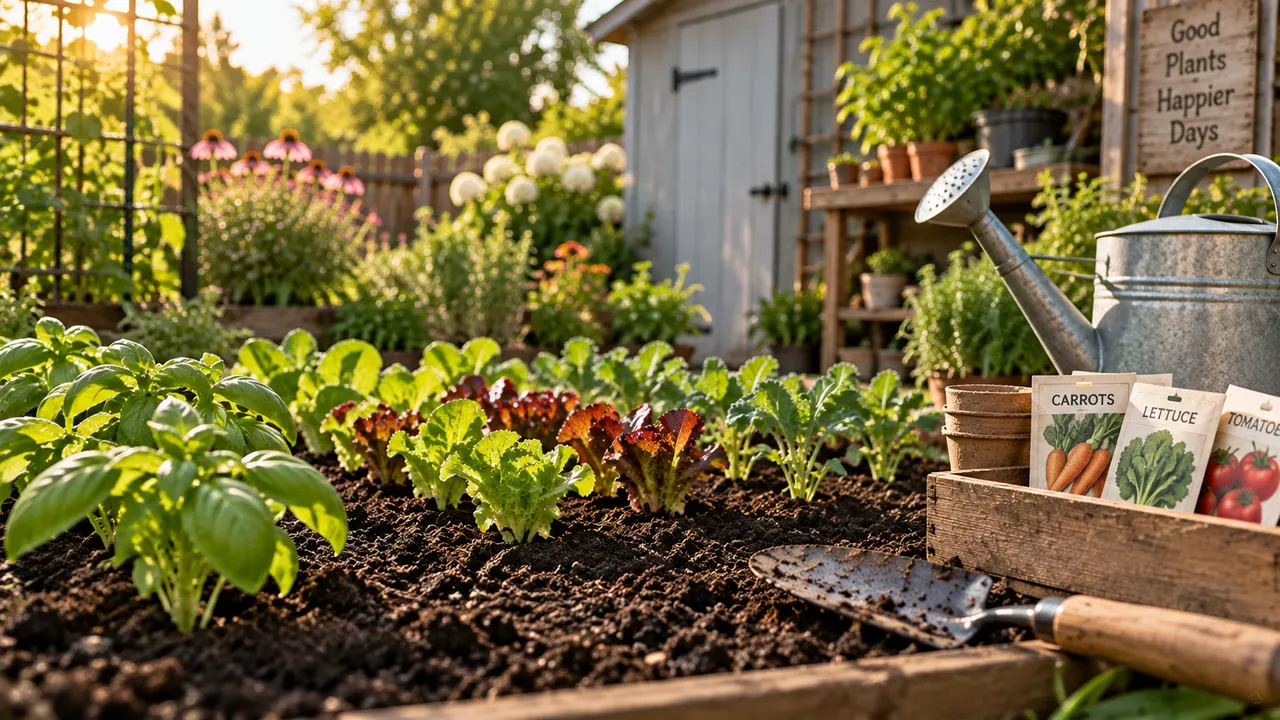
When to Plant a Garden: A Simple Guide for Every Season
Plant by your local frost dates, not the calendar: cool-season crops go in 2-4 weeks before your last spring frost, and warm-season crops follow 1-2 weeks after it, once soil reaches about 60°F.
 AI-generatedGardening
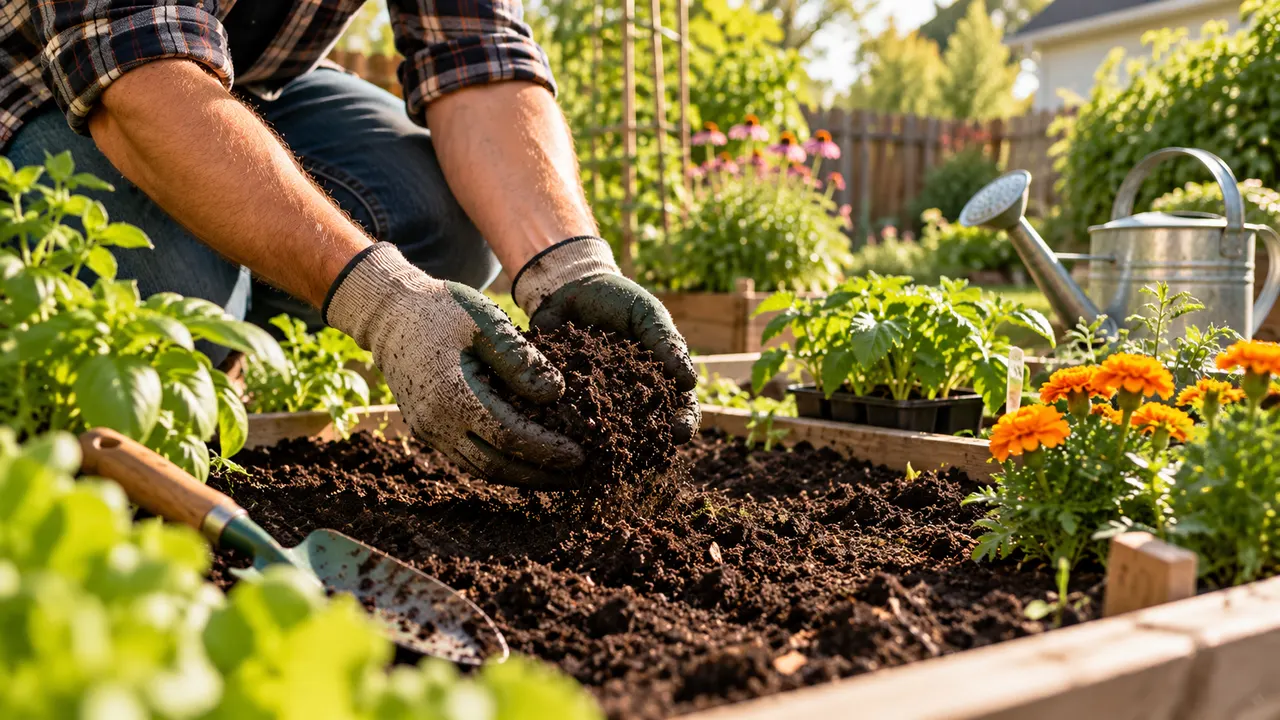
How to Prepare Garden Soil Step by Step
Test your soil, clear the bed, loosen it 8-12 inches deep and work 2-4 inches of compost into the top 6-8 inches. Adjust pH based on your results, then let the bed settle for 1-2 weeks before planting.