
How to Build a Raised Garden Bed in a Weekend
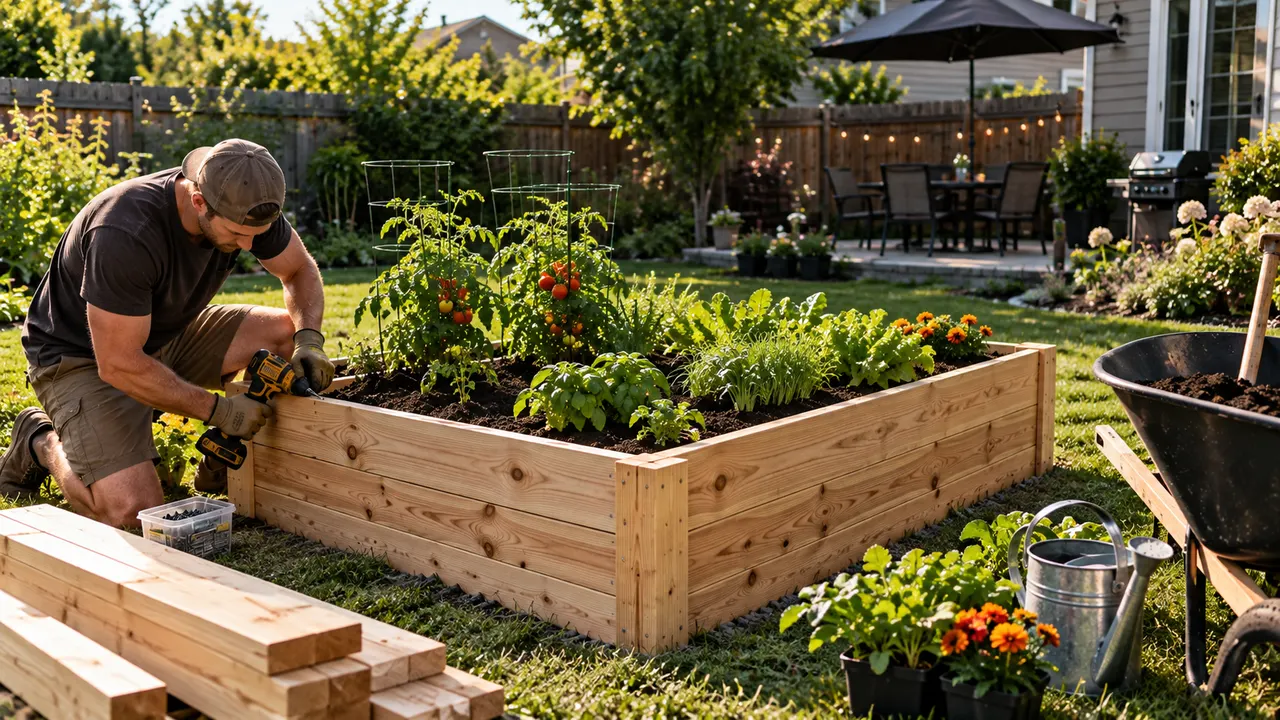
To build a raised garden bed, screw four 2x10 boards of cedar, redwood or untreated pine into a 4-by-8-foot frame, level it on cleared ground, line it with cardboard and fill it with a topsoil and compost mix. It takes about a weekend with a drill and basic tools.
 By the Backyard with Ben teamUpdated · 11 min read
Quick answer
To build a raised garden bed, pick a sunny, level spot, then screw two 8-foot and two 4-foot 2x10 boards (cedar, redwood or untreated pine) into a 4-by-8 frame with 4x4 corner posts. Line the bottom with cardboard, fill with about 60% topsoil, 30% compost and 10% coarse material, and water as you fill.
To build a raised garden bed, you need four 2x10 boards, a drill, exterior screws and a sunny, level spot: screw the boards into a 4-by-8-foot frame, line the bottom with cardboard and fill it with a topsoil and compost mix. You don't need carpentry experience, a table saw or a big budget, and the whole job fits in a weekend. If you've ever fought clay soil, weeds creeping in from the lawn, or a bed that stays soggy for days after rain, a raised bed solves all three.
This guide walks through picking the right size and lumber, the exact cut list for a standard 4-foot by 8-foot bed, and the assembly steps from frame to finished, planted soil. It also covers what goes on the bottom of the bed and how much soil you'll need to fill it.
By Sunday afternoon, you'll have a raised garden bed ready for vegetables, herbs or flowers, and a much easier growing season ahead of you.
Key Takeaways
- A 4-foot by 8-foot bed built from standard 2x10 boards needs almost no cutting: two 8-foot boards for the sides and one 8-foot board cut in half for the ends.
- Untreated cedar, redwood or pine hold up outdoors for years without any chemical treatment; skip old railroad ties entirely.
- Keep the bed no wider than 4 feet so you can reach the center from either side without stepping on the soil.
- A fill mix of roughly 60% topsoil, 30% compost and 10% aeration material like coarse sand or perlite works well for most vegetables.
- Pre-drill pilot holes and use exterior-rated screws with corner brackets or 4x4 posts; nails alone tend to work loose within a season or two.
- Level the ground before setting the frame down. An unlevel bed drains unevenly and can bow at the corners over time.
What Size and How Deep Should a Raised Garden Bed Be?
For most gardens, build it 4 feet wide, 8 feet long and 10 to 12 inches deep. A 4-by-8 bed uses standard lumber lengths with almost no cutting, and 4 feet is about as wide as most people can comfortably reach across from either side without stepping into the soil. If your space is tight, a 3-foot by 6-foot bed follows the same logic on a smaller scale.
Depth matters more than most first-time builders expect. A single board around 6 inches tall is enough for shallow-rooted crops like lettuce and herbs, but 10 to 12 inches gives you room for most vegetables, and deep-rooted crops do better with 12 inches or more. If bending or kneeling is hard on your knees or back, a taller bed with two stacked courses of boards is easier to reach.
| What you're growing | Minimum soil depth | Examples |
|---|---|---|
| Shallow-rooted greens and herbs | About 6 inches | Lettuce, spinach, most herbs |
| Most vegetables | 10 to 12 inches | Beans, peppers, cucumbers |
| Deep-rooted crops | 12 inches or more | Tomatoes, carrots, potatoes |
For location, look for a spot that gets at least 6 hours of direct sun a day, sits reasonably flat, and is within hose reach. Avoid placing a bed directly over large tree roots or against a fence line where runoff collects after storms.
Check the spot you're considering at three different times of day before you commit to it. A corner that looks sunny at 10 in the morning can end up shaded by the house or a neighboring tree by mid-afternoon, and that matters a lot once you're trying to grow tomatoes.
What Is the Best Wood for a Raised Garden Bed?
Cedar and redwood are the best choices because they naturally resist rot and insects without any chemical treatment, and a cedar bed can last 10 to 15 years outdoors. Pine is cheaper and widely available, but untreated pine typically breaks down in about 5 to 7 years.
Be cautious with pressure-treated lumber for parts of the frame that touch soil, especially older stock, since some older treatments used chemicals you don't want near a vegetable bed. Old railroad ties are an even bigger concern, since many were treated with creosote. If you do use a treated product, choose lumber rated for ground contact and consider lining the inside of the frame with heavy plastic sheeting as a buffer.
Whatever species you choose, buy boards that are a full 2 inches thick nominally (like 2x6, 2x10 or 2x12 lumber), not thin 1-inch fence boards. Thinner boards will bow outward once they're holding back several hundred pounds of wet soil.
Tools and Materials You'll Need
Most of what this project requires is probably already in your garage. Here's the full list:
- Circular saw or handsaw (only needed if your lumber yard doesn't cut boards to length for you)
- Power drill or driver with a pilot-hole bit and a screwdriver bit
- Tape measure and a speed square or carpenter's square
- 4-foot level
- Safety glasses and work gloves
- Exterior-rated wood screws, roughly 3 inches long
- Corner brackets, or four 4x4 posts to reinforce each inside corner
- Landscape fabric or flattened cardboard boxes for the bottom of the bed
- A wheelbarrow or large tub for mixing and moving soil
None of this requires specialty tools. A basic cordless drill (see our power tool picks) and a handsaw are enough to finish the entire project in a weekend.
The Cut List for a Standard 4-by-8 Raised Bed
For a single-tier bed about 9 1/4 inches tall (the actual height of a 2x10), here's what to buy and cut:
- 2 boards, 2x10, 8 feet long, used whole for the two long sides
- 1 board, 2x10, 8 feet long, cut into two 4-foot end pieces (many lumber yards will make this cut for you at the counter)
- 4 posts, 4x4, cut to the height of your boards, one for each inside corner
- 24 to 32 exterior wood screws, about 3 inches long
For a taller bed, stack a second course of boards on top of the first and double the board count. Two stacked 2x10s give you about 18 1/2 inches of height, and two 2x12s about 22 1/2 inches. Cut your corner posts long enough to run the full height of both courses, plus a few inches driven into the ground for stability.
Assembling the Frame
Start by laying the boards out on a flat surface in the shape of the finished bed, so you can see how everything fits before anything is fastened. Pre-drill pilot holes near each end of the boards; this keeps the wood from splitting when you drive screws in, especially with cedar and pine.
At each corner, position an end board against the inside face of a long side board so they meet at a right angle, then drive at least two screws through the side board into the end board. If you're using 4x4 corner posts, set one on the inside of each corner first and screw both boards into the post. This spreads the load across more wood and keeps the corner from racking loose over time.
Once all four corners are joined, check your work with the speed square, then measure both diagonals from corner to corner. If the bed is square, those two measurements will match. If one diagonal is longer, gently push the frame along that diagonal until the numbers even out, then re-check before you move it.
Leveling and Placing the Bed
Clear away grass and weeds from the footprint, plus a few extra inches around the perimeter. A flat spade or a sod cutter makes quick work of this.
Check the ground with your level before you set the frame down. If the site slopes, dig down on the high side rather than building up the low side with loose soil, which tends to settle and shift later. Set the frame in place and run the level along each side and each end, adjusting the ground underneath until it reads level in every direction.
Line the bottom with flattened cardboard or landscape fabric before adding soil. Cardboard smothers grass and weeds long enough for them to die off, then breaks down naturally over a season or two, while still letting water drain through and earthworms move up into the bed.
How Much Soil Do You Need to Fill a Raised Bed?
Multiply the bed's length by width by depth in feet to get cubic feet, then divide by 27 for cubic yards. A 4-by-8 bed made from a single 2x10 (about 9 1/4 inches deep) holds roughly 25 cubic feet, a little under one cubic yard. A bed about 11 inches deep, such as two stacked 2x6s, holds about 29 cubic feet, a little over one cubic yard. Buy a bit extra, since the mix settles after watering.
A raised bed is only as good as what's inside it. A dependable mix for most vegetables and flowers is roughly 60% topsoil, 30% compost and 10% aeration material such as coarse sand, perlite or fine bark. The compost feeds the soil and holds moisture; the aeration material keeps the mix from compacting into a dense brick after a season of watering. For more on building good soil, see our guide on how to prepare garden soil step by step.
Fill the bed in stages rather than all at once. Add a few inches, water it down to help everything settle, then keep adding and watering until the mix sits an inch or two below the top of the frame. That gap keeps soil and mulch from washing over the edges during a heavy rain.
Planting and Caring for Your New Raised Bed
Raised beds warm up faster in spring and drain faster year-round, so they typically need more frequent watering than an in-ground garden, especially in summer heat. Check the top 2 inches of soil with your finger before watering rather than sticking to a fixed schedule. Our seasonal guide on when to plant a garden helps you time your first planting.
Because you're not walking on the soil to reach the middle of the bed, you can plant more densely than in a traditional row garden. Many gardeners use a simple grid, spacing plants based on their mature size rather than the row spacing printed on seed packets. If you're not sure what to grow first, start with these easy vegetables for raised garden beds.
Top the soil with about 2 inches of mulch to slow moisture loss and cut down on weeding, and plan to add an inch or two of fresh compost each spring as the soil level settles and breaks down.
A Weekend Project That Pays Off All Season
Once you understand how to build a raised garden bed, the construction itself only takes a few hours. Most of the weekend goes into siting the bed, leveling the ground and filling it with good soil, not into the carpentry.
Get the frame square, use lumber that can handle years outdoors, and start with a soil mix that feeds your plants, and you'll have a garden bed that's easier to maintain than a traditional row garden for years to come.
Frequently Asked Questions
Do I need to line the bottom of a raised garden bed?
Lining the bottom with flattened cardboard or landscape fabric is a smart step if you're building directly over grass or weeds, since it smothers what's underneath while still letting water and roots pass through. It's optional if you're building over bare, weed-free soil.
Can I build a raised garden bed directly on grass?
Yes, you don't need to remove the sod first. Lay flattened cardboard or several layers of newspaper over the grass before filling the bed with soil; it blocks light to the grass below and breaks down naturally within a season or so.
Is pressure-treated wood safe for a raised vegetable bed?
The arsenic-based CCA treatment was phased out of most residential lumber in the early 2000s, and current treatments are generally considered lower risk. If you'd rather avoid the question entirely, use cedar, redwood or untreated pine, or line the inside of a treated frame with heavy plastic sheeting. Never use old railroad ties.
How long will an untreated wood raised garden bed last?
Cedar and redwood beds typically last 10 to 15 years before the wood needs replacing, while untreated pine usually holds up for about 5 to 7 years. Letting the soil dry out between waterings, rather than keeping it constantly saturated against the wood, helps any species last longer.
Published · Last updated . Written by the Backyard with Ben team from standard, widely published guidance. About us.
As an Amazon Associate we earn from qualifying purchases. Disclosure
Tools for this guide
DEWALT 20V MAX Cordless Circular Saw (DCS391B, tool only)
Why we pick it: 4.6★ from 11,000+ reviews. Uses the same 20V MAX batteries as the DEWALT drill kits. Straight cuts for raised beds, fences and decking.
Check price on AmazonCheck priceDEWALT 20V MAX Drill + Impact Driver Combo Kit (DCK240C2)
Why we pick it: 4.7★ from 61,000+ reviews. Drill and impact driver in one kit with 2 batteries, charger and bag. It covers almost every backyard build.
Check price on AmazonCheck priceSwanson 7" Speed Square with Blue Book (S0101)
Why we pick it: 4.8★ from 17,000+ reviews. Square cuts, angles and layout in one inexpensive aluminum tool.
Check price on AmazonCheck priceDEWALT Atomic Compact 30 ft Tape Measure (DWHT38130S)
Why we pick it: 4.8★ from 2,900+ reviews. Compact body with a 30 ft length, long enough for fences, decks and garden layouts.
Check price on AmazonCheck priceDon't want to build it?
Vego Garden 9-in-1 Metal Raised Garden Bed (17" tall)
Why we pick it: 4.8★ from 1,600+ reviews. A modular metal bed that can be set up in 9 shapes.
Check price on AmazonCheck priceLand Guard Galvanized Oval Raised Garden Bed
Why we pick it: 4.5★ from 13,000+ reviews. A popular galvanized bed that is quick to assemble.
Check price on AmazonCheck priceBest Choice Products 72x24x30" Elevated Wood Garden Bed
Why we pick it: 4.5★ from 11,000+ reviews. Waist height, so there is no bending. Good for patios and small yards.
Check price on AmazonCheck priceYaheetech Wooden Raised Garden Bed
Why we pick it: 4.5★ from 2,700+ reviews. A simple wooden ground-level bed for vegetables and flowers.
Check price on AmazonCheck priceMore for your backyard
Gear up with our top-rated tool picks, shop the look if you'd rather buy than build, or read a related guide. See all DIY Projects guides.
Related guides
 AI-generatedGardening
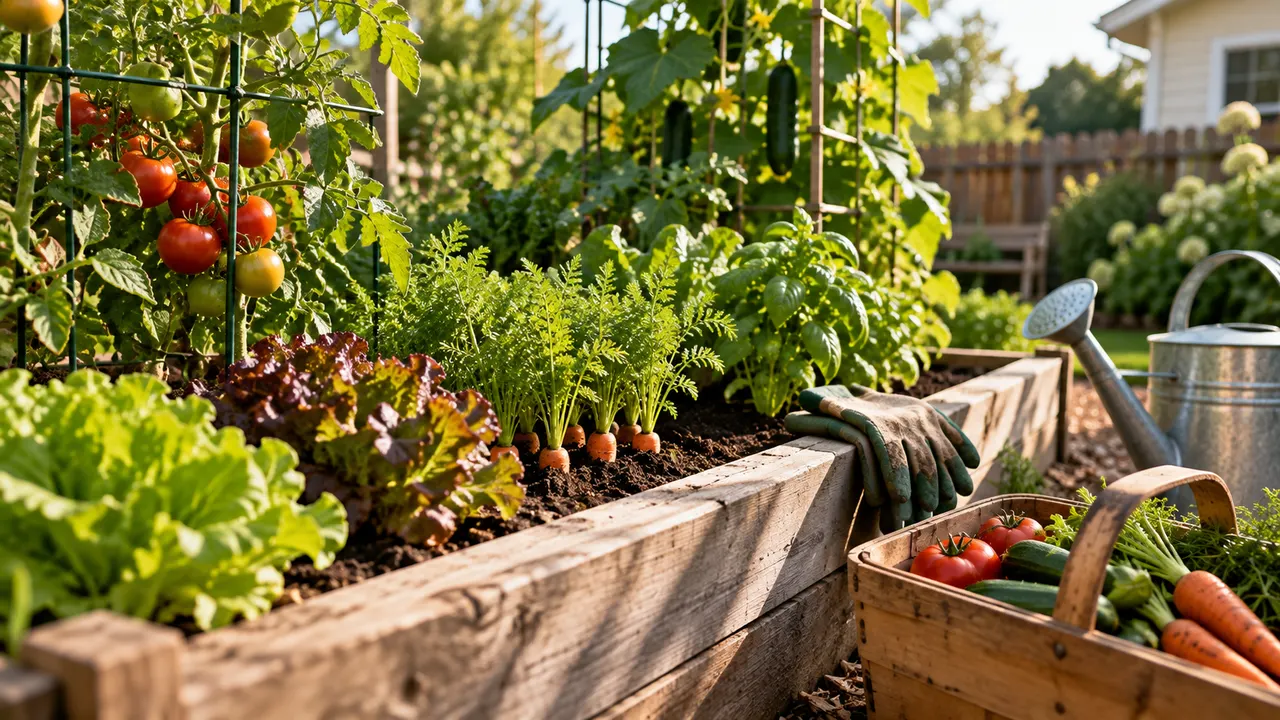
Best Vegetables for Raised Garden Beds (Beginner Guide)
The easiest vegetables for a first raised bed are leaf lettuce, bush beans, radishes, bush tomatoes, peppers, zucchini and carrots. Pick compact bush varieties and skip sprawling vines like pumpkins until your second season.
 AI-generatedGardening
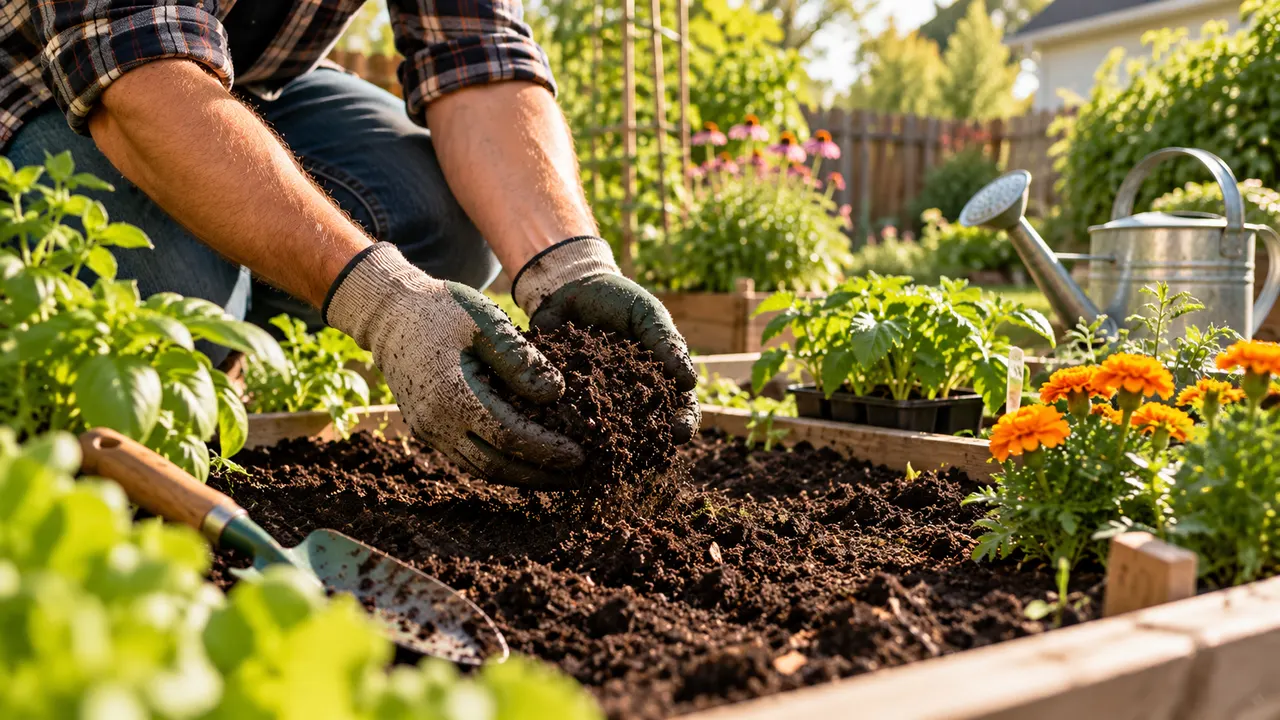
How to Prepare Garden Soil Step by Step
Test your soil, clear the bed, loosen it 8-12 inches deep and work 2-4 inches of compost into the top 6-8 inches. Adjust pH based on your results, then let the bed settle for 1-2 weeks before planting.
 AI-generatedGardening
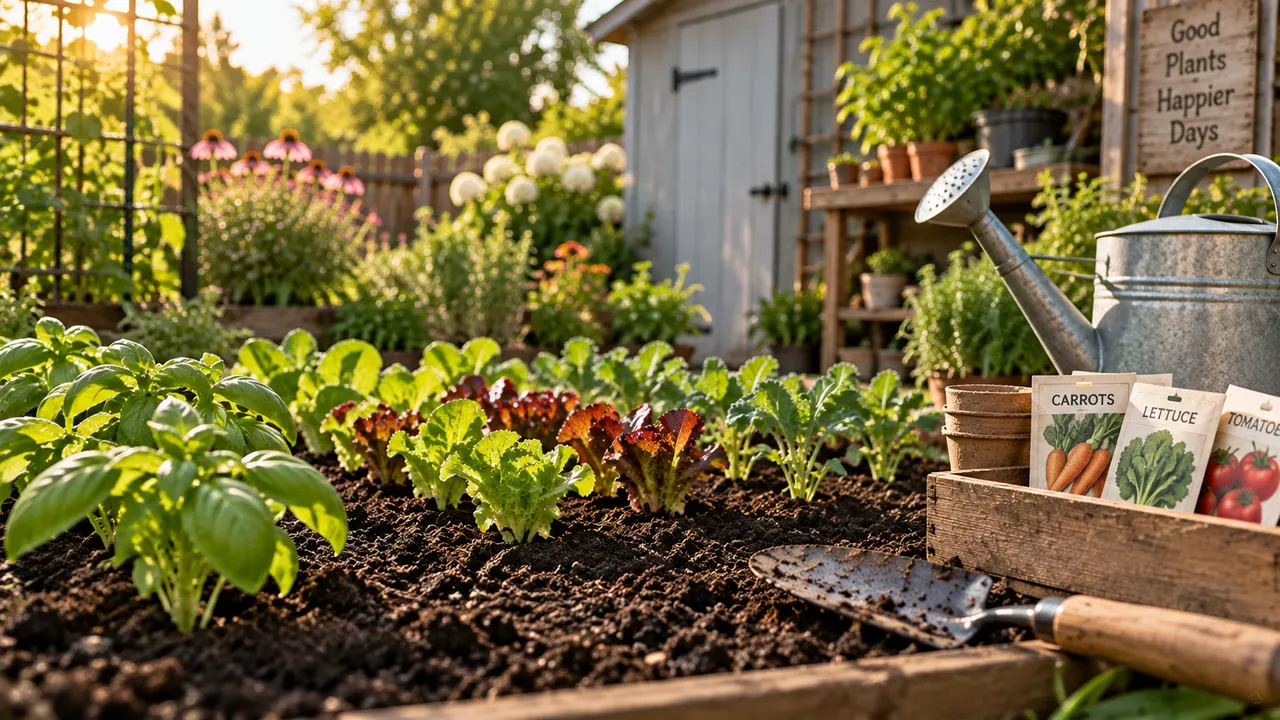
When to Plant a Garden: A Simple Guide for Every Season
Plant by your local frost dates, not the calendar: cool-season crops go in 2-4 weeks before your last spring frost, and warm-season crops follow 1-2 weeks after it, once soil reaches about 60°F.