
When to Plant a Garden: A Simple Guide for Every Season
Plant by your local frost dates, not the calendar: cool-season crops go in 2-4 weeks before your last spring frost, and warm-season crops follow 1-2 weeks after it, once soil reaches about 60°F.
 By the Backyard with Ben teamUpdated · 9 min read
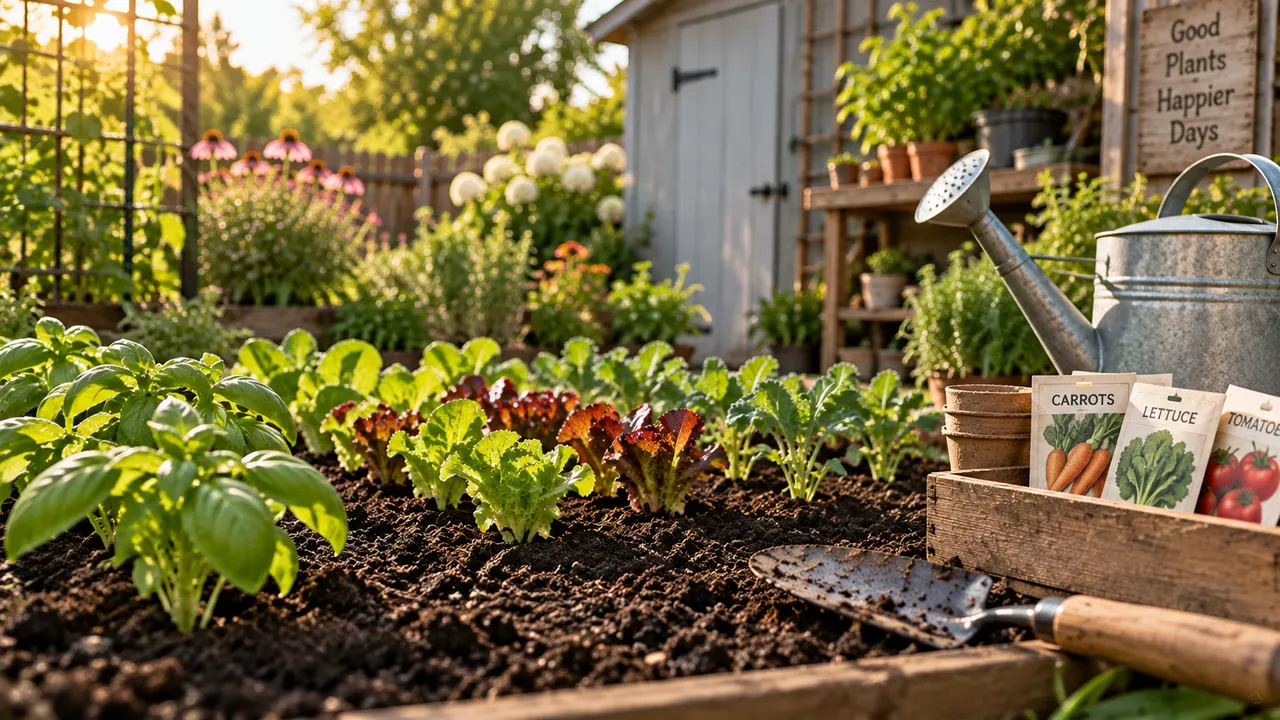
Quick answer
The best time to plant a garden depends on your local frost dates. Sow cool-season crops like lettuce, peas and spinach 2-4 weeks before your average last spring frost. Plant warm-season crops like tomatoes, peppers and squash 1-2 weeks after it, once soil is at least 60°F. Fall crops go in 6-10 weeks before first frost.
When to plant a garden comes down to your local frost dates and soil temperature, not the month on the calendar. Cool-season crops go in a few weeks before your last spring frost, warm-season crops go in after it once the soil warms, and a second round of cool-season crops goes in late summer for a fall harvest.
Get the timing wrong and it shows fast. A tomato planted too early can die in one frosty night, and lettuce planted too late turns bitter and bolts before you harvest a single head.
This guide breaks planting down season by season, so you always know what belongs in the ground right now and what to save for later.
Key Takeaways
- Your local frost dates, not the calendar month, should drive when to plant a garden.
- Cool-season crops like lettuce, peas and spinach go in 2-4 weeks before your last frost.
- Warm-season crops like tomatoes and peppers need soil at least 60°F, usually 1-2 weeks after your last frost.
- Fall planting (6-10 weeks before first frost) is one of the most underused windows in home gardening.
- Garlic and spring-blooming bulbs are planted in fall, not spring.
- Starting seeds indoors 6-8 weeks before your last frost gives warm-season crops a head start many climates need.
Why Timing Matters More Than the Calendar
It's tempting to plant the first warm weekend of the year, but a 70-degree day in March doesn't mean frost is done, and one cold snap can wipe out tender seedlings overnight.
The two dates that matter most are your average last frost date in spring and your average first frost date in fall. They're averages based on years of local weather data, not guarantees, but they're the most reliable starting point you have.
Soil temperature matters just as much as air temperature. Seeds and roots respond to what's happening a few inches underground, and in early spring the soil often lags several degrees behind the air.
Push an inexpensive soil thermometer 2-3 inches into your planting bed before you buy a single seed packet. It's a more honest answer than the weather app and takes the guesswork out of when to plant.
How Do You Find Your Frost Dates and Hardiness Zone?
Look both up online by zip code: the USDA Plant Hardiness Zone Map gives your zone, and your local extension service or a frost-date lookup gives your average last and first frost dates. It takes a couple of minutes and shapes every planting decision this year.
Your hardiness zone tells you which perennials, shrubs and trees can survive your winters. Your frost dates tell you when it's safe to plant annuals, vegetables and seedlings.
For example, a gardener in zone 9 (much of Florida and coastal California) might see a last frost in February and a first frost in December, giving them a nearly year-round season. A gardener in zone 4 (parts of Minnesota or Maine) might not see a safe last frost until late May, with first frost arriving by mid-September.
Write both dates somewhere you'll actually see them, because nearly every timing rule below counts forward or backward from them:
| What to plant | Examples | When to plant |
|---|---|---|
| Start seeds indoors | Tomatoes, peppers | 6-8 weeks before last spring frost |
| Cool-season crops (spring) | Lettuce, spinach, peas, radishes, kale, broccoli | 2-4 weeks before last spring frost, once soil can be worked |
| Warm-season crops | Tomatoes, peppers, cucumbers, squash, beans, melons | 1-2 weeks after last frost; soil 60°F+, nights above 50°F |
| Cool-season crops (fall) | Kale, spinach, carrots, lettuce | 6-10 weeks before first fall frost |
| Garlic | Hardneck and softneck garlic | 2-6 weeks before the ground freezes |
| Spring-blooming bulbs | Tulips, daffodils, crocuses | Fall, once nights settle around 40-50°F |
When Should You Plant Vegetables in Spring?
Plant spring vegetables in two waves: cool-season crops 2-4 weeks before your last frost, then warm-season crops 1-2 weeks after it. Mixing up the two waves is one of the most common timing mistakes.
Lettuce, spinach, peas, radishes, kale and broccoli handle light frost and prefer cool soil, so they go in as soon as the soil can be worked. Raised beds help here, because they warm up and drain faster than in-ground soil; see our guide to building a raised garden bed if you're starting from scratch.
Tomatoes, peppers, cucumbers, squash, beans and melons are frost-sensitive and want soil at 60°F or higher, with nighttime temperatures reliably above 50°F. If you're not sure what to grow first, these easy vegetables for beginner raised beds are a forgiving place to start.
Flowering annuals like marigolds and zinnias follow the same warm-season timing as tomatoes; they're just as vulnerable to a late cold snap.
Summer: Keeping the Garden Productive Through the Heat
Summer isn't only for harvesting. It's also a planting window if you pick the right crops.
Fast-growing warm-season vegetables like bush beans, cucumbers and summer squash can still be direct-seeded in early summer for a second harvest before fall. Succession planting, sowing a new round of beans every 2-3 weeks, keeps the garden producing instead of peaking once and stalling.
Skip cool-season crops in peak heat. Lettuce and spinach sown in July heat tend to bolt (shoot up and turn bitter) quickly instead of producing a good harvest.
If your summers regularly hit 90°F or higher, treat midsummer as a holding pattern for new plantings and focus on deep watering and mulching instead.
Fall: The Planting Window Most Gardeners Skip
Fall is one of the best times to plant, with cooler air, still-warm soil and fewer pests working in your favor.
Count backward from your first frost date. Kale, spinach, carrots and lettuce can go back in 6-10 weeks before that date for a second harvest. Many of them taste sweeter after a light frost, as cold prompts the plant to convert starches into sugars.
Fall is also garlic season. Plant cloves roughly 2-6 weeks before the ground freezes so they root before winter and are ready to harvest the following summer.
For tulips, daffodils or crocuses next spring, this is the window to plant bulbs, generally once nighttime temperatures settle into the 40-50°F range.
Winter: What You Can Still Plant When It's Cold
In most of the country, winter isn't a vegetable planting season, but it isn't a dead season for the garden either.
In zones 8 and warmer, spinach, kale and certain lettuces can grow right through winter, sometimes with a row cover or cold frame on the coldest nights.
In colder zones, late winter is a good time to plant dormant bare-root trees and shrubs whenever the ground isn't frozen, so they establish roots before spring growth begins.
Winter is also the time to plan next year's layout, order seeds before popular varieties sell out, and test your soil so you can prepare your garden soil before spring planting begins.
When Should You Start Seeds Indoors?
Start warm-season seeds like tomatoes and peppers indoors about 6-8 weeks before your last frost date. That gives seedlings time to grow sturdy stems and a few sets of true leaves before they move outside.
Don't rush the move. Harden off seedlings by setting them outside for a few hours a day over about a week, gradually increasing sun exposure, before planting them in the ground. Skipping this step is one of the fastest ways to lose seedlings to sunscald or transplant shock.
Common Timing Mistakes That Set a Garden Back
Planting warm-season crops too early is the most common mistake. A few mild days convince people to plant tomatoes, and a frost a week later takes them out.
Ignoring soil temperature is another. Seeds sown into cold, wet soil often rot instead of germinating, even when the afternoons feel warm.
A third is following a planting calendar written for someone else's region. Advice built for zone 6 will be off for zone 9 or zone 3, so always adjust to your own frost dates.
Finally, skipping fall planting means missing one of the easiest harvests of the year, especially for cool-season crops that improve in cooler weather.
Plant by Your Dates, Not the Calendar
Knowing when to plant a garden comes down to a few reliable numbers: your hardiness zone, your last frost date and your first frost date. Once you have those, the rest of the planting calendar falls into place season by season.
Watch soil temperature, not just air temperature, and use the fall and winter windows most gardeners skip. A garden planted on the right schedule does much of the hard work for you.
Frequently Asked Questions
What month should I plant my garden?
It depends on where you live. Count from your average last spring frost: cool-season crops go in 2-4 weeks before it and warm-season crops 1-2 weeks after. In cold northern zones that can mean late May or early June for tomatoes, while in the warmest southern zones it can be as early as February or March.
What happens if I plant my garden too early?
Frost-sensitive plants like tomatoes and peppers can be killed or badly damaged by a late cold snap, and seeds sown into cold, wet soil often rot instead of germinating. Waiting for the right soil temperature almost always beats planting early.
Is it too late to plant a garden in the middle of summer?
Not necessarily. Fast-growing crops like bush beans, cucumbers and summer squash can still be sown in early summer, and late summer is when you start fall crops like kale, carrots and lettuce. Midsummer heat is usually too much for newly sown lettuce and spinach.
Do I really need to know my USDA Hardiness Zone before planting?
For vegetables and annuals, your frost dates matter more. For perennials, shrubs and trees, your zone tells you which plants will actually survive your winters, so it's worth the couple of minutes it takes to look up.
Published · Last updated . Written by the Backyard with Ben team from standard, widely published guidance. About us.
More for your backyard
Gear up with our top-rated tool picks, shop the look if you'd rather buy than build, or read a related guide. See all Gardening guides.
Related guides
 AI-generatedGardening
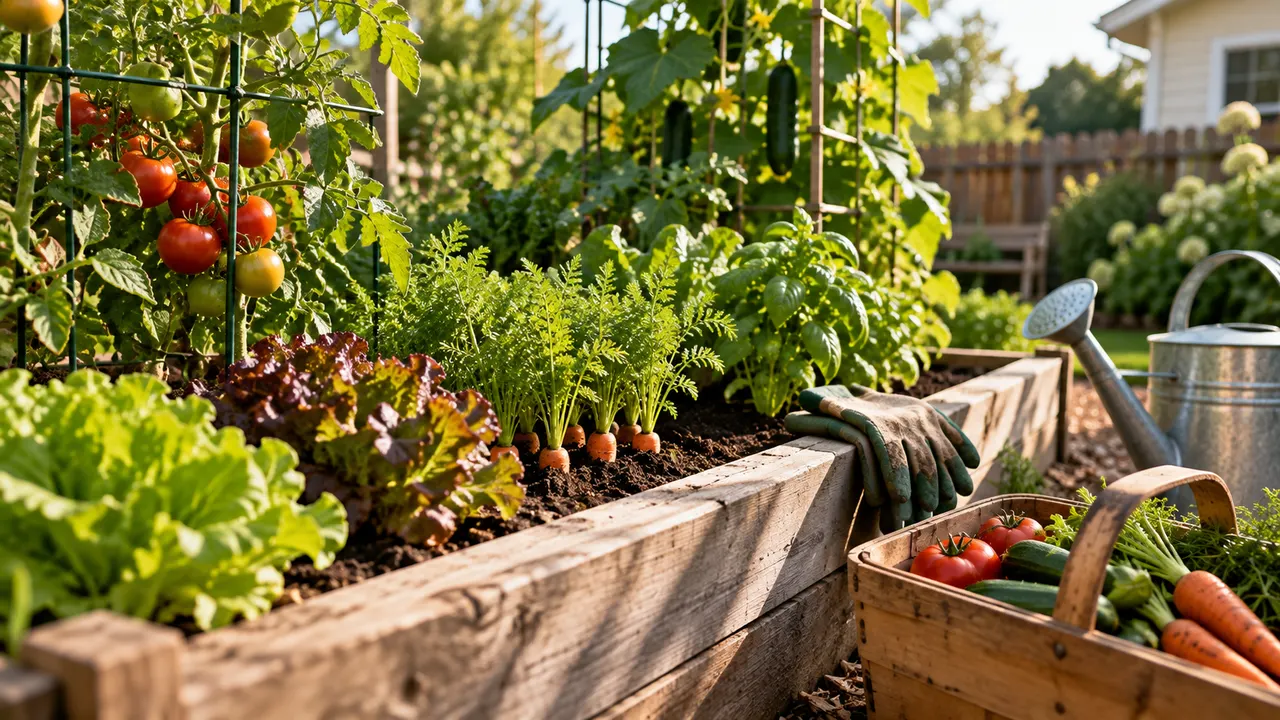
Best Vegetables for Raised Garden Beds (Beginner Guide)
The easiest vegetables for a first raised bed are leaf lettuce, bush beans, radishes, bush tomatoes, peppers, zucchini and carrots. Pick compact bush varieties and skip sprawling vines like pumpkins until your second season.
 AI-generatedGardening
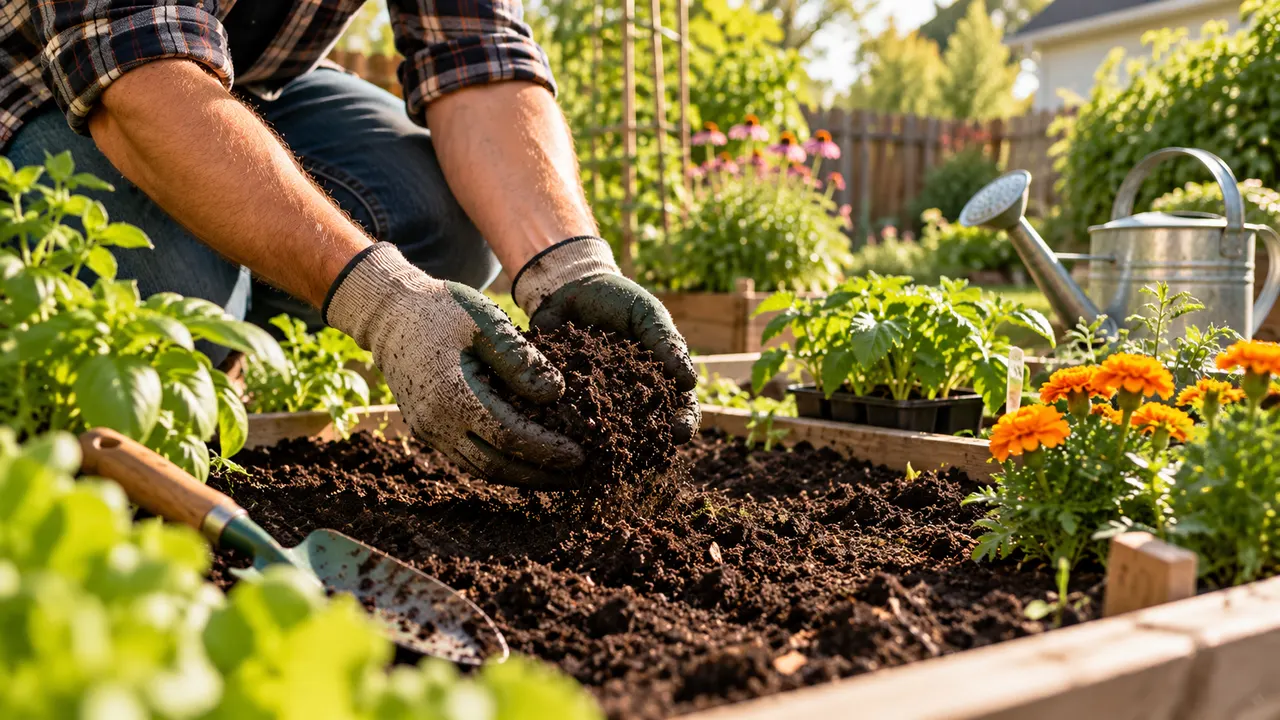
How to Prepare Garden Soil Step by Step
Test your soil, clear the bed, loosen it 8-12 inches deep and work 2-4 inches of compost into the top 6-8 inches. Adjust pH based on your results, then let the bed settle for 1-2 weeks before planting.
 AI-generatedGardening
7 Gardening Mistakes Costing You Time, Money and Blooms
The gardening mistakes that cost the most are buying plants without a plan, using worn-out tools, skipping deadheading, guessing at fertilizer, overpaying for mature plants, ignoring bloom time and skipping soil prep. Each has a simple fix.