
9 Ways to Make Your Patio Look More Expensive
To make your patio look more expensive, focus on styling rather than construction: layer warm lighting, size furniture to the space, define zones with rugs and planters, repeat two or three colors and hide hoses and bins. None of it requires a renovation.
 By the Backyard with Ben teamUpdated · 7 min read
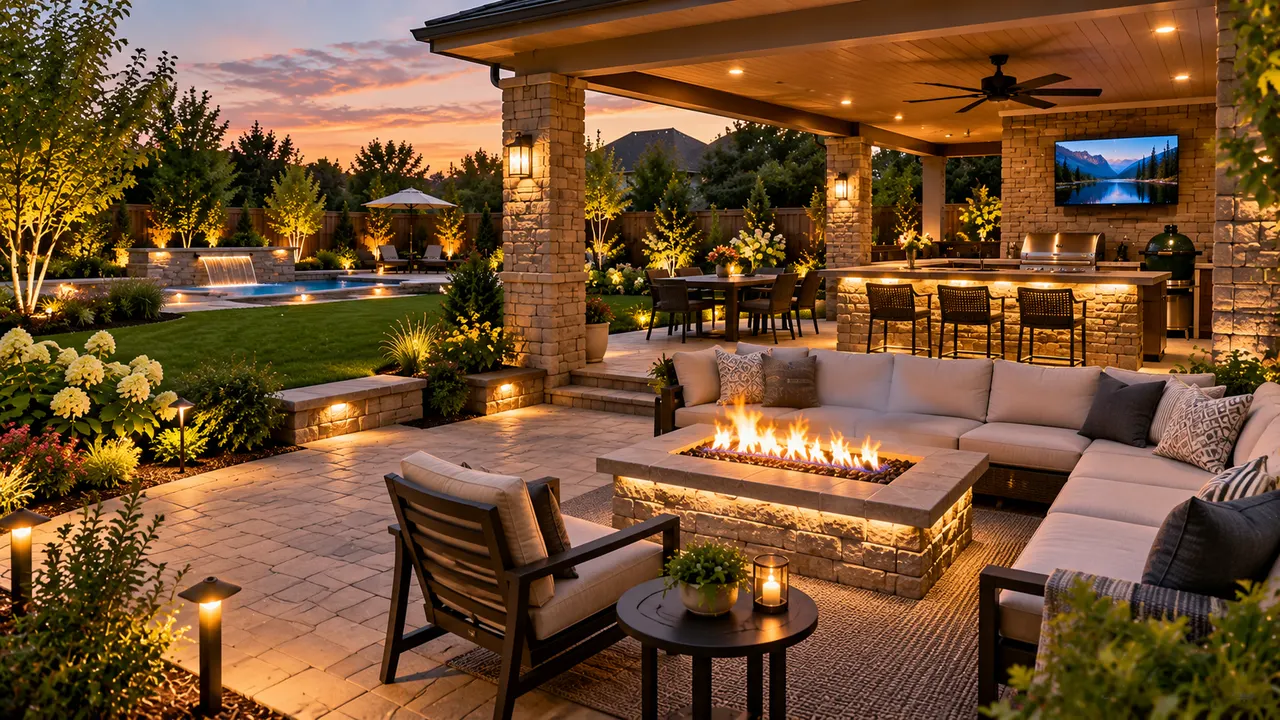
Quick answer
To make your patio look more expensive, change how it's styled rather than rebuilding it: layer warm white lights at several heights, size furniture to the space, group pieces into clear zones with rugs and planters, repeat two or three colors and materials, add height with tall plants and hide hoses, bins and cords.
You can make a patio look more expensive without renovating it by fixing four things: lighting, furniture scale, layout and finishing details. Most of the difference between a builder-grade patio and a high-end one comes from those deliberate choices, not a bigger budget.
This guide is about styling the patio you already have. If you'd rather build something new, like a slat fence or a paver path, see our weekend backyard projects that look expensive.
Here are nine ways to upgrade the look of your patio without starting from scratch.
Key Takeaways
- Layered lighting reads as far more expensive than a single bright fixture.
- Furniture should be sized to the space, not just whatever was on sale.
- A defined layout with clear zones instantly looks more intentional.
- Repeating 2 or 3 colors and materials creates a cohesive, designed feel.
- Small details like trays, planters and real tableware matter more than people think.
- Hiding or dressing up utility items (hoses, bins, cords) removes visual clutter fast.
What Lighting Makes a Patio Look Expensive?
Several warm white light sources at different heights. A single porch light or floodlight makes a patio feel utilitarian, while high-end outdoor spaces almost always layer light instead of relying on one overhead source.
Combine string lights overhead, a few low path or step lights, and a lantern or two at table height. The mix of heights creates depth that a single bright bulb can't.
Stick to warm white light, around 2700K, rather than cool white or blue-toned LEDs. Warm light reads as cozy and upscale, while cool light feels closer to a parking lot. Our outdoor lighting picks are a good place to start.
Put string lights and path lights on separate switches or smart plugs so you can adjust the mood without turning everything on or off at once.
How Big Should Patio Furniture Be?
Big enough to fill the space in proportion, while still leaving about 3 feet of walking room around seating and dining areas. Undersized furniture is one of the most common reasons a patio looks cheap, even when the pieces are decent quality.
A small bistro set floating in the middle of a large patio makes the whole space look empty and unplanned. Furniture scaled to the area makes it feel furnished and finished.
Measure before you shop, and choose a table size based on the number of people you regularly host, not the biggest set that technically fits. For materials that hold up outdoors, see our guide to the best outdoor furniture for rain, sun and year-round use.
Create Clearly Defined Zones
An expensive-feeling outdoor space usually has a clear purpose for each area: a dining zone, a lounge zone, maybe a small fire pit area.
A patio where furniture is scattered without any grouping tends to feel unfinished, no matter how nice the individual pieces are.
Use an outdoor rug, planters, a change in paving material or an overhead structure to visually separate zones, especially on larger patios where everything can otherwise blend together. If you're considering overhead shade, compare a covered patio vs. pergola first.
Stick to a Tight Color and Material Palette
Mismatched colors and materials are one of the fastest ways to make a space look thrown together.
Pick 2 or 3 core colors and 2 or 3 materials (like wood, black metal and a neutral fabric) and repeat them across cushions, planters and accessories.
Everything doesn't have to match exactly; variation in shade and texture is fine. But staying within a consistent palette makes a patio look designed rather than accumulated over time.
Upgrade What's at Eye Level and Hand Level
People notice the details they touch and see up close more than the big-picture layout.
Swapping plastic planters for ceramic or concrete ones, using cloth napkins instead of paper, or carrying food out on a real serving tray all shift the feel of the space noticeably.
These small upgrades are usually inexpensive on their own, but their combined effect on how put-together a patio feels is bigger than the cost suggests.
Hide the Utility Items
Hoses, trash bins, extension cords and pool equipment are necessary, but they're also some of the fastest ways to make a nice patio look cluttered.
A simple screen, a slatted storage box, or strategic planting can hide these items from the main sightlines without making them hard to reach when you need them.
Sit where you usually sit on the patio and notice the first thing that catches your eye. If it's a hose reel or a trash can, that's your first fix.
Add Height With Plants, Not Just Ground-Level Pots
A patio surrounded only by low, ground-level plants can look flat, even with plenty of greenery.
Mixing in taller planters, a small tree in a large pot, or trellised climbing plants adds vertical interest that makes the space feel layered and intentional.
Grouping plants in odd numbers (3 or 5) at varying heights tends to look more natural and designed than evenly spaced single pots in a row.
Define the Edges of the Space
Patios that blend awkwardly into the lawn or driveway without a clear border can feel unfinished, even with nice furniture on top.
A low edging, a row of planters, or a change in paving material at the perimeter gives the eye a clear stopping point and makes the area read as a deliberate outdoor room rather than leftover space.
This matters most on poured concrete slabs that border grass directly; even a simple gravel or paver border can make a big visual difference.
Keep Cushions and Fabrics Clean
Faded, stained or mildewed cushions undercut every other upgrade on this list. It's one of the first things people notice, consciously or not.
Outdoor fabric generally needs a rinse and scrub every few weeks during heavy-use season, plus a deeper clean at the start and end of the season. Follow the care label for your fabric, and store cushions somewhere dry when you're not using them for a while.
If cushions are a few seasons old and showing real wear, replacing just the covers is often far cheaper than buying new furniture, and it resets the whole look of the space.
It's the Details, Not the Budget
Most high-end-looking patios aren't the result of one expensive purchase. They're the result of consistent small decisions about lighting, scale, color and cleanliness, all pointing in the same direction.
| Design detail | Rule of thumb |
|---|---|
| Light color | Warm white, around 2700K |
| Light layers | At least three heights: overhead, table level and ground level |
| Walkway around seating and dining | About 3 feet |
| Outdoor rug | Large enough that at least the front legs of the seating sit on it |
| Color palette | 2 or 3 core colors, repeated |
| Material palette | 2 or 3 materials, such as wood, black metal and a neutral fabric |
| Plant groupings | Odd numbers (3 or 5) at varying heights |
Pick two or three of these changes to start with rather than doing everything at once, and the space will already feel noticeably more finished.
Frequently Asked Questions
What's the cheapest way to make a patio look more expensive?
Layered warm lighting and clean, well-arranged cushions are usually the highest-impact, lowest-cost changes. Both affect the feel of the space immediately without any structural work.
How can I make a concrete patio look more expensive?
Start by power-washing it, then add an outdoor rug to define the seating area, edge the slab with planters or a gravel or paver border, and layer warm lighting. Staining or resurfacing the concrete goes further but is a bigger project.
Should patio furniture all match?
No. Matching sets can look flat. Pieces look more high-end when they coordinate through a shared palette of 2 or 3 colors and materials rather than being identical.
How often should I clean outdoor cushions?
A quick rinse and scrub every few weeks during heavy use, plus a deeper clean at the start and end of the outdoor season, keeps fabric looking fresh instead of faded or stained.
Do I need a pergola to make my patio feel finished?
Not necessarily. A pergola helps define a zone, but rugs, planters or a change in paving material can create the same sense of a defined space for less money.
Published · Last updated . Written by the Backyard with Ben team from standard, widely published guidance. About us.
More for your backyard
Gear up with our top-rated tool picks, shop the look if you'd rather buy than build, or read a related guide. See all Outdoor Living guides.
Related guides
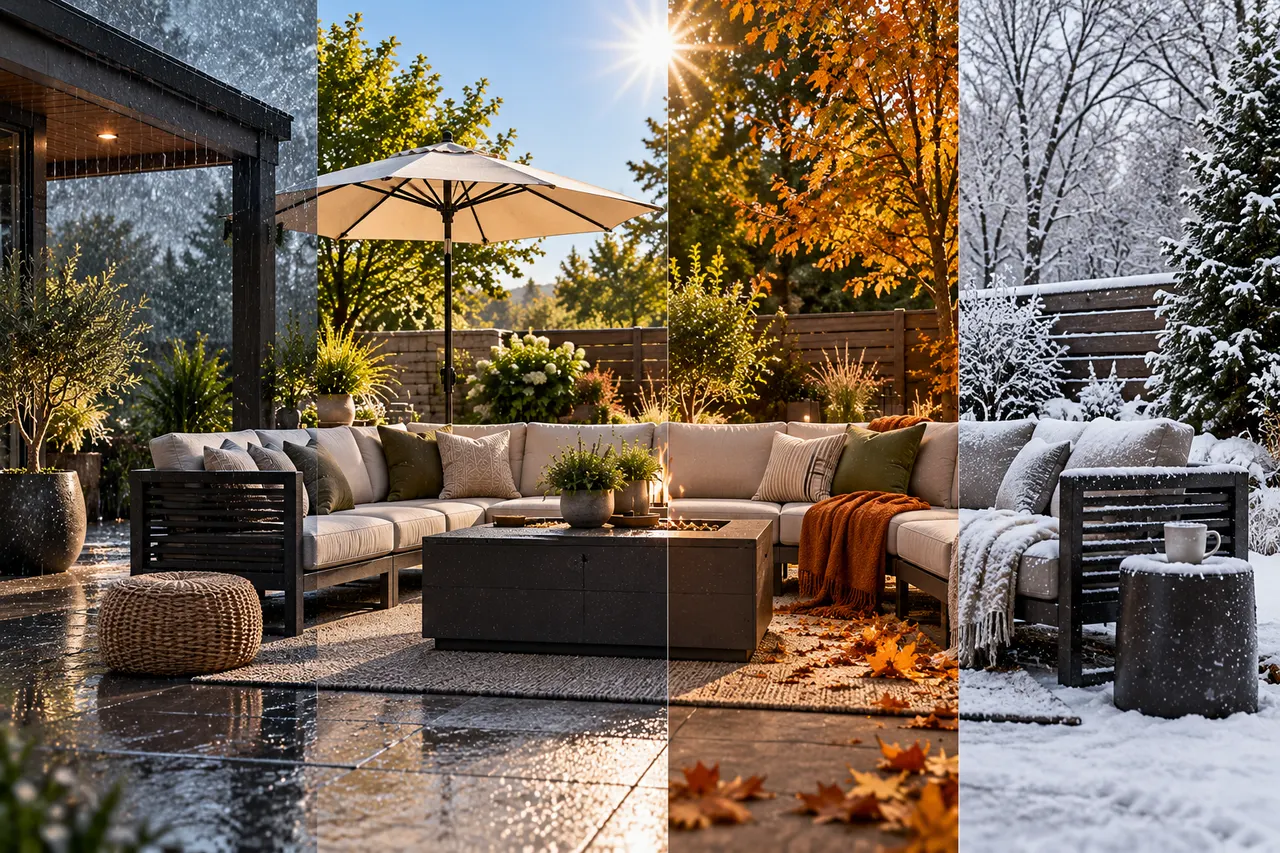 AI-generatedOutdoor Living
Best Outdoor Furniture for Rain, Sun and Year-Round Use
The best outdoor furniture is made from a material that suits your weather: teak, HDPE resin wicker and powder-coated aluminum handle rain best, and protecting cushions adds the most years.
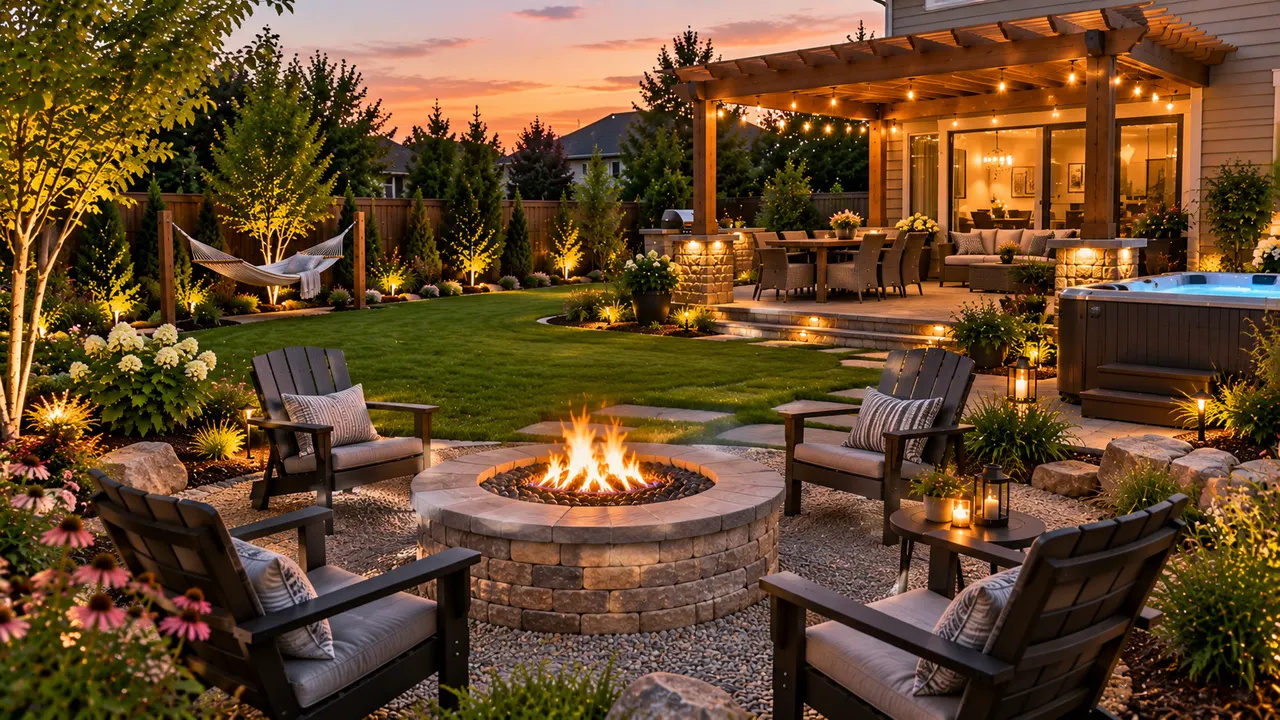 AI-generatedOutdoor Living
10 Backyard Staycation Ideas That Feel Like a Vacation
The best backyard staycation ideas give you a place to settle in: a comfortable lounge zone, shade, water, a fire feature, warm layered lighting and a few sensory touches. Start with two or three that fit your space and budget.
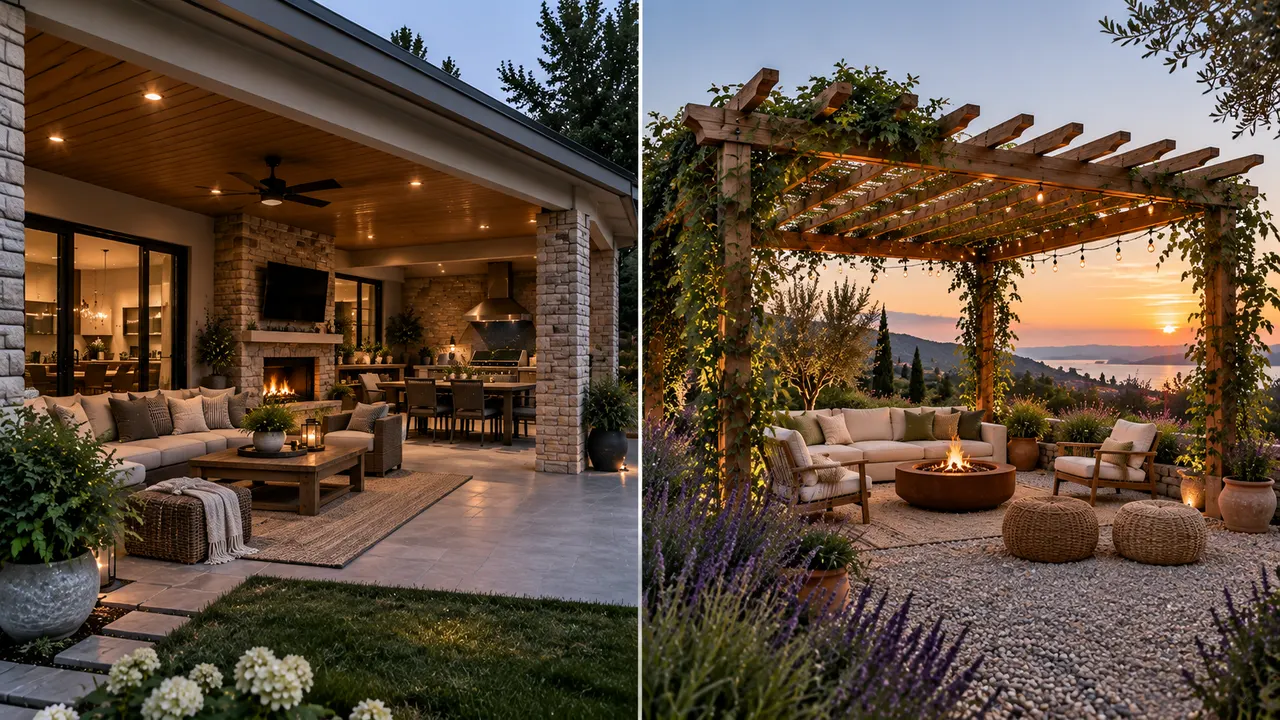 AI-generatedOutdoor Living
Covered Patio vs. Pergola: Which Is Right for You?
A covered patio has a solid roof that blocks sun and rain and usually needs a contractor and a permit; a pergola has an open roof that filters light, costs less and is often DIY-friendly. Choose a covered patio for rain-or-shine use and a pergola for an airy, lower-cost accent.