
Best Outdoor Furniture for Rain, Sun and Year-Round Use
The best outdoor furniture is made from a material that suits your weather: teak, HDPE resin wicker and powder-coated aluminum handle rain best, and protecting cushions adds the most years.
 By the Backyard with Ben teamUpdated · 10 min read
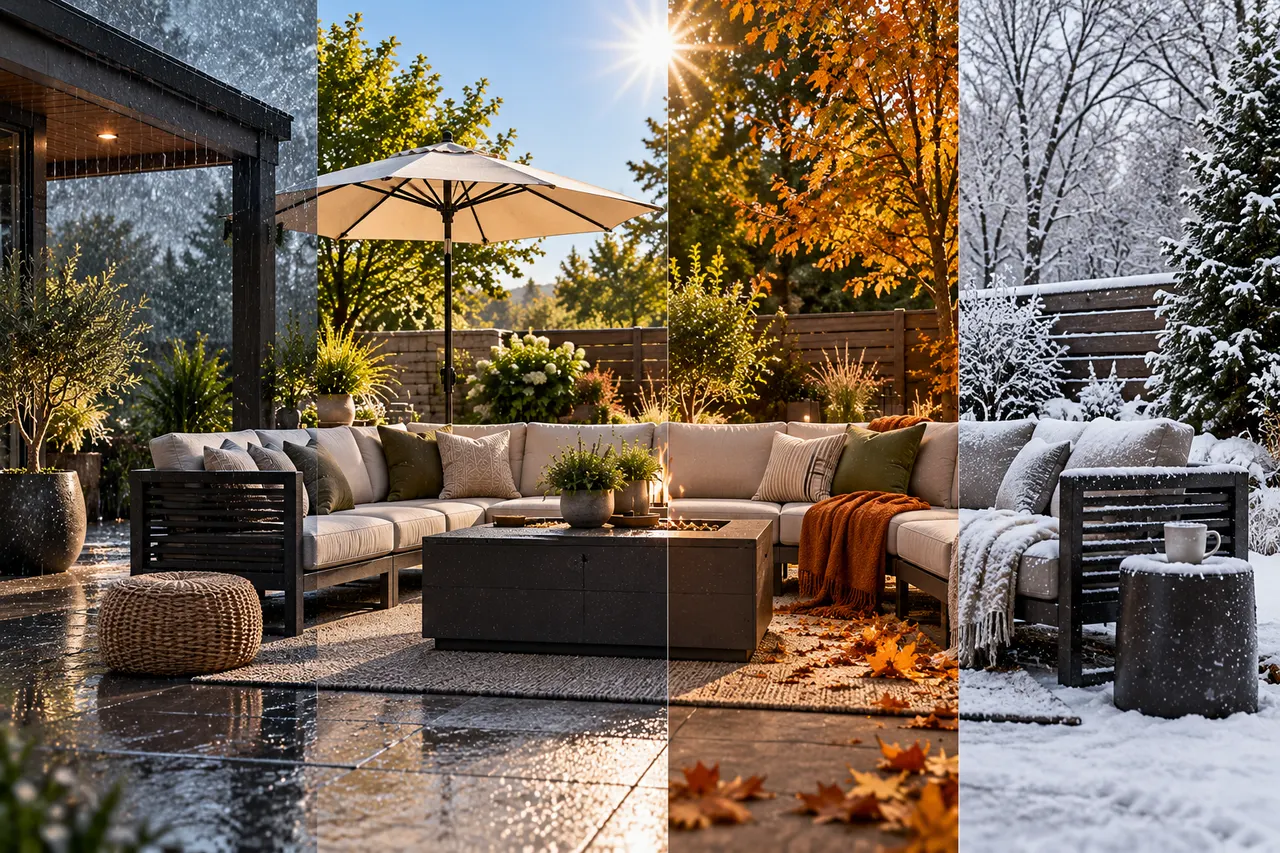
Quick answer
The best outdoor furniture for most backyards is made from teak, HDPE resin wicker or powder-coated aluminum, because none of them rot or rust easily. Choose heavier iron for windy, exposed spots, sling fabric for fast drying after rain, and outdoor-rated, quick-dry cushions. Covering or storing cushions extends furniture life more than anything else.
The best outdoor furniture is the furniture whose material matches your weather. Teak, HDPE resin wicker and powder-coated aluminum shrug off rain, iron stays put in the wind, and sling fabric dries in minutes, but each has a weak spot. Rain warps the wrong wood, sun bleaches cheap plastic, and one hard winter can crack a poorly finished frame.
Two chairs that look nearly identical in a showroom can last many years or fall apart in a few seasons, depending on what they're made of and how they're finished.
This guide walks through the materials behind most patio furniture: what each is good at, where it struggles, and how to care for it so it survives rain, sun and winter instead of one good summer.
Key Takeaways
- Teak and other dense hardwoods resist rot and rain naturally but need occasional oiling if you want to keep the honey color instead of letting them gray.
- HDPE resin wicker is one of the most weather-stable materials available. It won't rot, mold or absorb water the way natural wicker can.
- Powder-coated aluminum doesn't rust and stays light enough to move, but it can dent and isn't as stable in high wind as heavier metals.
- Cast and wrought iron are the most stable in wind but depend on a well-maintained finish to keep rust from starting at scratches and joints.
- Sling and mesh fabrics drain rain instantly and resist mildew better than cushioned seating, but the fabric will eventually fade and stiffen from UV exposure.
- Cushions are almost always the first thing to fail outdoors. Covering or storing them does more for longevity than the frame material alone.
Why does outdoor furniture fail?
Outdoor furniture usually fails from repeated small exposure, not one big storm: rain that never fully dries, sun that breaks down fibers and finishes a little more each week, and temperature swings that loosen seams and joints.
Moisture is the biggest threat to wood and unprotected metal because it drives rot, mold and rust. UV light is the biggest threat to plastics, resin and fabric because it breaks down the polymers that keep them flexible and colorful, leading to fading, chalking and eventually cracking.
The furniture that lasts is designed around those two threats from the start: dense or sealed woods, powder-coated metals, UV-stabilized resins and quick-drying fabrics.
Where you live matters too. A humid Gulf Coast summer stresses furniture differently than a dry Southwest one with intense sun and little rain, and a Midwest yard has to handle summer heat and hard freezes with the same set.
Check the underside of any chair or table before buying. Exposed raw metal, unfinished wood or seams where water can pool are usually the first spots to fail, no matter how nice the top surface looks.
Teak and Other Hardwoods: Natural Weather Resistance
Teak stays popular for one reason: it's dense and full of natural oils that resist water absorption and rot even without a sealant. Other outdoor hardwoods, like eucalyptus and acacia, have some of the same qualities but usually need more upkeep to match teak's lifespan.
Left untreated, teak weathers to a silvery gray patina within a year or two outdoors. That's a cosmetic change, not decay, and plenty of homeowners like the look. To keep the original honey-brown color, apply a teak sealer or oil once or twice a year, more often in strong sun.
The weak points on wood furniture are the joints, screws and spots where two pieces meet. Water that sits in a joint for days is what eventually causes swelling, splitting or rot, even in a rot-resistant wood.
Softer woods like pine or fir need a real exterior finish, reapplied every year or two, to hold up outdoors at all. Without it, they can show surface rot within a couple of wet seasons.
HDPE Resin Wicker: Built for Rain and UV
High-density polyethylene, or HDPE, is the synthetic wicker used on most modern all-weather patio sets. Unlike natural wicker made from rattan or willow, it's a solid plastic strand woven over a metal frame, so it doesn't absorb water.
Rain runs off HDPE instead of soaking in, and it won't mold, rot or attract insects the way natural fiber wicker can after a few wet seasons.
Quality varies a lot. Cheaper resin wicker, including PVC-based weaves, may lack UV stabilizers and can turn brittle and faded within a few summers. Better HDPE has UV inhibitors mixed into the plastic itself, not just applied to the surface, so it resists fading much longer. Ask or check the product details for both before you buy.
To keep resin wicker looking new, rinse it with a hose every few weeks to clear dust and pollen, and wash it with mild soap and water a couple of times a season. Avoid close-range pressure washing, which can force water into the weave and frame joints.
Powder-Coated Aluminum: Lightweight and Rust-Resistant
Aluminum doesn't rust the way steel or iron does, which makes it one of the lowest-maintenance metal options for a patio. A powder-coated finish adds color and a protective layer against oxidation, moisture and UV.
Aluminum furniture is light, so it's easy to move for cleaning, storms or winter storage.
The tradeoff is that lightweight pieces can tip or blow around in strong wind, and thin-walled tubing can dent if knocked hard. Cast aluminum is heavier and more dent-resistant than thin tubular aluminum if you want a sturdier feel.
Powder coating can chip if furniture is dragged across concrete. A chip exposes bare aluminum that can develop a chalky white oxidation over time. It isn't rust, but it looks rough, so touch it up with a matching outdoor-rated paint before it spreads.
Cast and Wrought Iron: Strength With a Rust Tradeoff
Cast and wrought iron are the heavyweight options, literally. Their weight makes them one of the most stable choices for windy yards or open patios where lighter pieces shift or tip.
The tradeoff is rust. Iron isn't naturally rust-resistant, so every piece depends on its powder coat or paint to keep moisture off the bare metal.
Once a scratch or chip exposes bare iron, rust can start quickly in a humid or rainy climate, then creep under the surrounding coating and make it bubble and flake.
Inspect iron furniture each spring for chips. Sand any rust spots, treat them with a rust-converting primer, then repaint with an outdoor-rated metal paint. Doing this early is far easier than refinishing a fully rusted frame later.
Sling and Mesh Fabric: Fast-Drying Seating
Sling and mesh seating, the woven or vinyl-coated fabric stretched across a metal frame, has one big advantage: it doesn't hold water. Rain drains straight through, so sling chairs are usually dry within minutes of a storm ending, while a cushioned seat can stay damp for hours.
That drainage also helps sling fabric resist mold and mildew, since there's no dense padding for moisture to sit in.
UV is still the main long-term threat. Solution-dyed acrylic and vinyl-coated mesh resist fading far longer than printed fabrics because the color runs through the whole fiber instead of sitting on the surface.
Over years of sun, even good sling fabric will stretch, stiffen or fade. The frame usually outlasts it, and many sling chairs are designed so the sling can be replaced without buying a new frame, which is worth checking before you buy.
How do you keep outdoor cushions from getting ruined?
Choose outdoor-rated cushions, stand them on edge after rain, and cover or store them during long wet stretches and over winter. Whatever your frame is made of, cushions are almost always the first thing to wear out: foam holds water, fabric fades, and mildew can set in within days if a wet cushion stays closed up.
Look for solution-dyed outdoor fabric and quick-dry, open-cell outdoor foam rather than standard indoor foam, which can hold water for days and start smelling musty.
A furniture cover during rainy stretches and a deck box or covered storage over winter will add years to nearly any material. Even rust-resistant metals benefit from less time under standing water and ice. If your seating area is fully exposed, adding overhead protection is another option, and our covered patio vs pergola comparison explains how much weather protection each actually gives.
If cushions do get wet, prop them at an angle or stand them up so water runs off instead of pooling in the center, where mildew tends to start.
Which outdoor furniture material is best for your climate?
In hot, sunny climates, choose UV-stabilized HDPE resin wicker or powder-coated aluminum; in humid or rainy regions, choose materials that don't absorb water, like resin, aluminum and teak; in windy spots, choose heavier iron or cast aluminum. Here's how the main materials compare:
| Material | Rain | Sun and UV | Wind | Upkeep |
|---|---|---|---|---|
| Teak | Excellent; natural oils resist rot | Grays over time (cosmetic) | Heavy and stable | Optional oiling to keep the color |
| HDPE resin wicker | Excellent; doesn't absorb water | Good if UV-stabilized | Moderate; light pieces can shift | Rinse and wash occasionally |
| Powder-coated aluminum | Excellent; won't rust | Good; coating resists fading | Light; can tip or blow around | Touch up chips |
| Cast or wrought iron | Fair; rusts where the finish chips | Good | Excellent; very heavy | Inspect and touch up yearly |
| Sling and mesh fabric | Excellent; drains instantly | Fair; fabric fades over years | Depends on the frame | Replace slings eventually |
Natural wood can dry out and crack under constant sun without regular oiling, and iron or untreated wood stays damp longer in humid regions, which invites rust or rot.
In climates with real winters, plan on storing or covering furniture rather than relying on the material alone. Even the toughest frame lasts longer when it isn't sitting in snow and ice for months.
The Best Outdoor Furniture Is Built for Your Climate
No single material wins in every backyard. The best outdoor furniture for a dry, sunny yard may be a poor match for a humid one, and the most wind-stable material isn't always the easiest to maintain.
Once you know how teak, HDPE resin, powder-coated aluminum, iron and sling fabric respond to rain, sun and temperature swings, you can choose by how your yard behaves in July and January. When you're ready to compare pieces, browse the outdoor furniture in our shop, and for styling ideas once it's in place, see our ways to make your patio look more expensive.
Frequently Asked Questions
What is the most weather-resistant outdoor furniture material?
HDPE resin wicker and powder-coated aluminum are generally the most weather-resistant options because neither absorbs water nor rusts. Teak is close behind among woods, since its natural oils resist rot even without regular sealing.
Does teak furniture need to be covered in winter?
Teak doesn't need a cover to survive winter, but covering it reduces staining and slows graying. If you want to preserve the original color, a cover plus a yearly oil or sealer treatment makes a bigger difference than the cover alone.
Will resin wicker furniture fade in the sun?
Lower-quality resin wicker without UV stabilizers can fade noticeably within a few summers. HDPE with UV inhibitors mixed into the plastic resists fading much longer, so confirm that detail before buying.
Is aluminum or wrought iron better for outdoor furniture?
Aluminum doesn't rust and is much easier to move, while wrought iron is heavier and more stable in wind but depends on its finish to avoid rust. Choose aluminum for low maintenance and iron for stability in an exposed, windy spot.
Should I bring outdoor furniture inside for winter?
You don't have to, but storing furniture in a garage or shed, or at least covering it, extends its life regardless of material. Months of snow and ice are harder on finishes and fabric than a single rainstorm, and cushions should always come inside.
Published · Last updated . Written by the Backyard with Ben team from standard, widely published guidance. About us.
More for your backyard
Gear up with our top-rated tool picks, shop the look if you'd rather buy than build, or read a related guide. See all Outdoor Living guides.
Related guides
 AI-generatedOutdoor Living
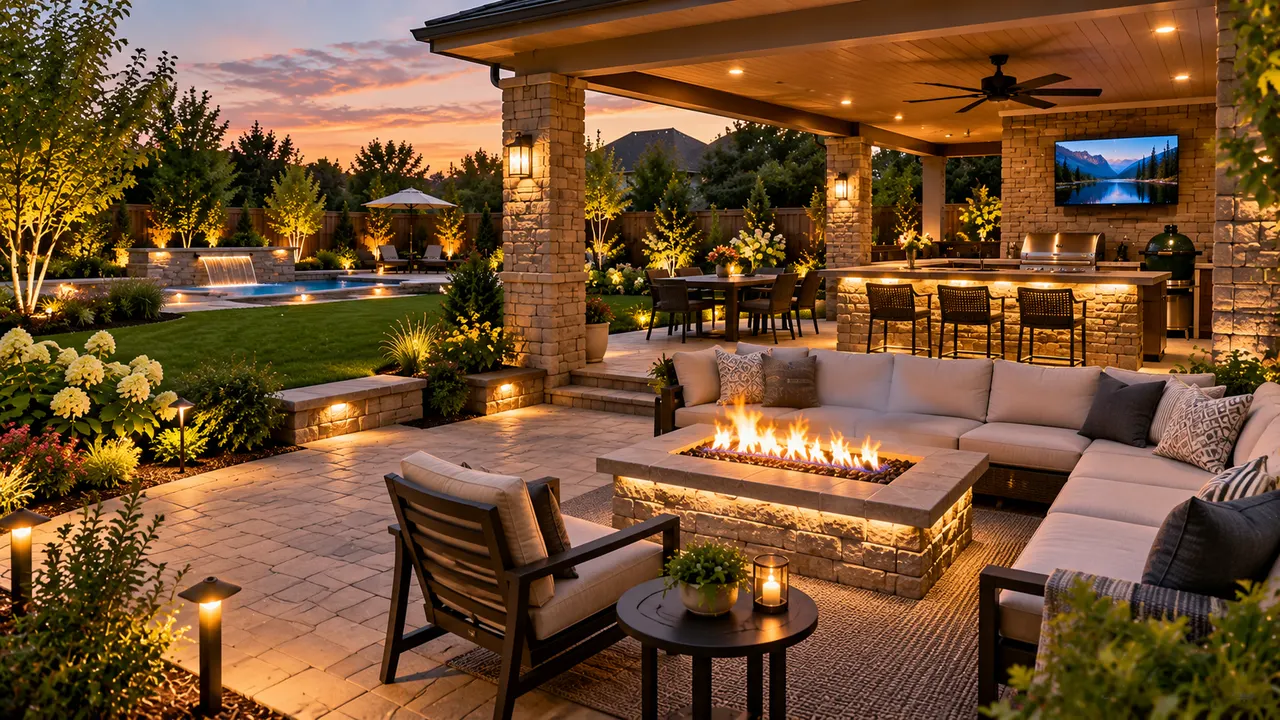
9 Ways to Make Your Patio Look More Expensive
To make your patio look more expensive, focus on styling rather than construction: layer warm lighting, size furniture to the space, define zones with rugs and planters, repeat two or three colors and hide hoses and bins. None of it requires a renovation.
 AI-generatedOutdoor Living
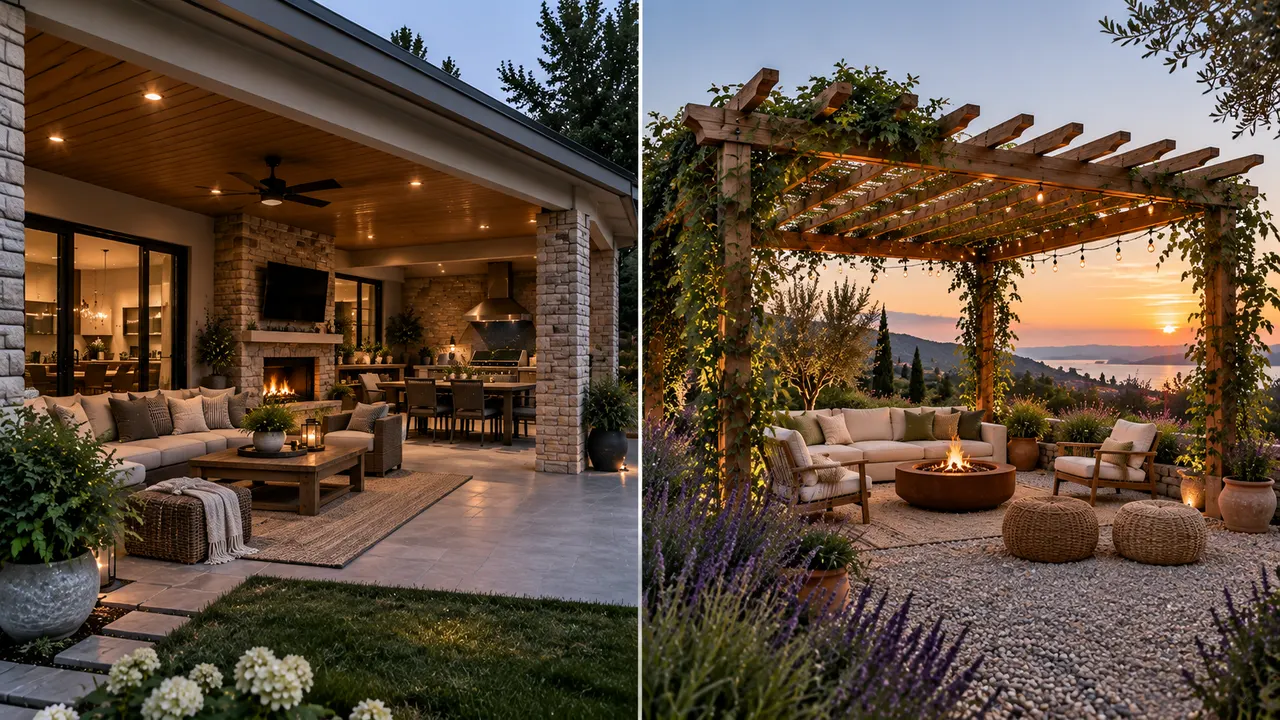
Covered Patio vs. Pergola: Which Is Right for You?
A covered patio has a solid roof that blocks sun and rain and usually needs a contractor and a permit; a pergola has an open roof that filters light, costs less and is often DIY-friendly. Choose a covered patio for rain-or-shine use and a pergola for an airy, lower-cost accent.
 AI-generatedOutdoor Living
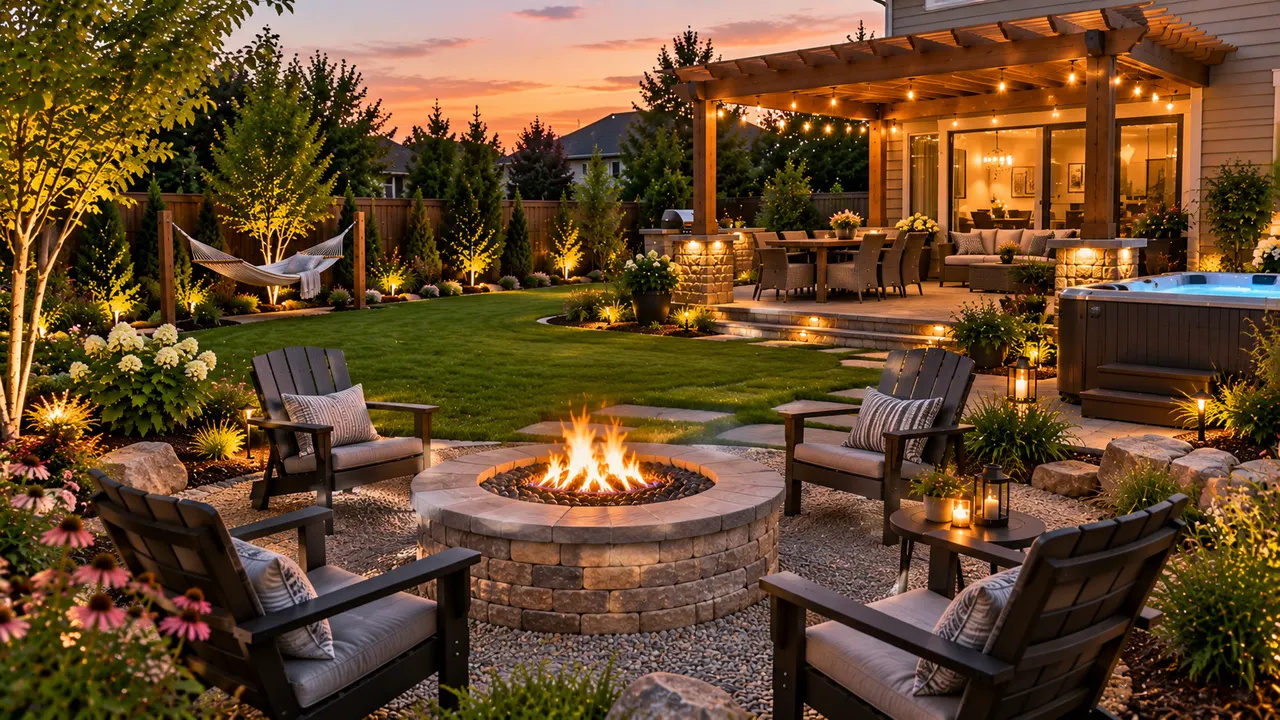
10 Backyard Staycation Ideas That Feel Like a Vacation
The best backyard staycation ideas give you a place to settle in: a comfortable lounge zone, shade, water, a fire feature, warm layered lighting and a few sensory touches. Start with two or three that fit your space and budget.