
Covered Patio vs. Pergola: Which Is Right for You?
A covered patio has a solid roof that blocks sun and rain and usually needs a contractor and a permit; a pergola has an open roof that filters light, costs less and is often DIY-friendly. Choose a covered patio for rain-or-shine use and a pergola for an airy, lower-cost accent.
 By the Backyard with Ben teamUpdated · 10 min read
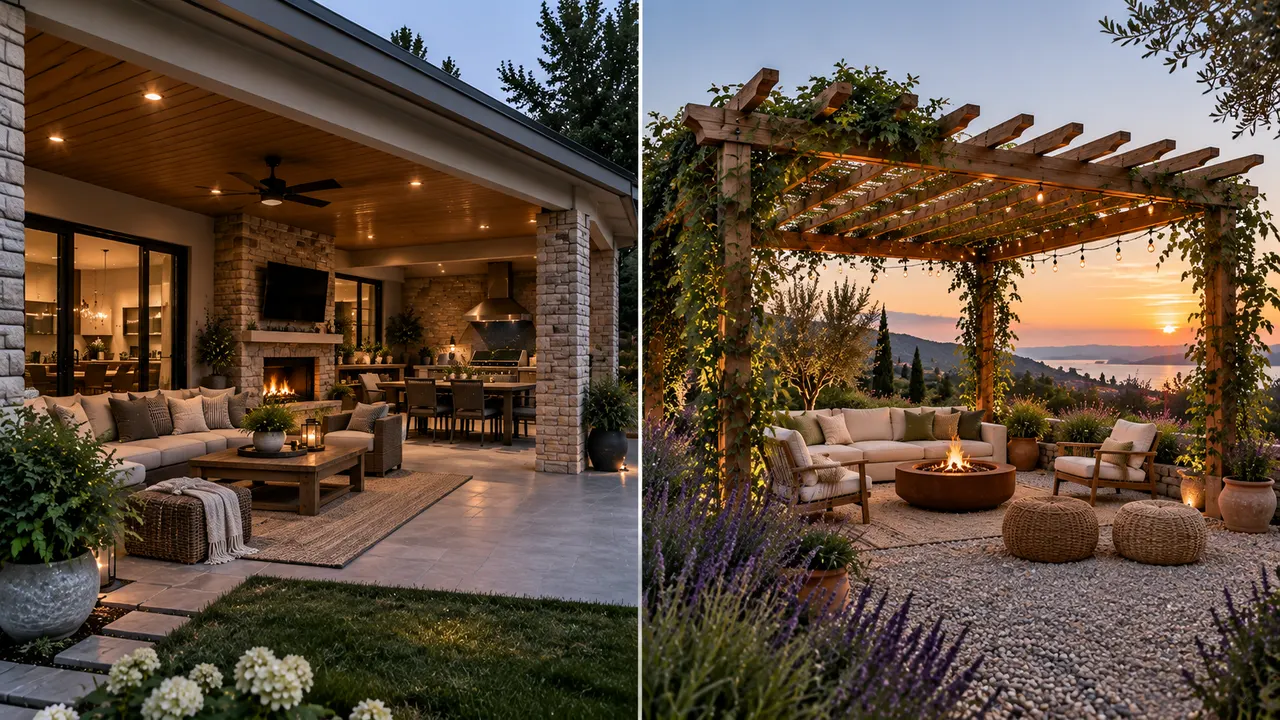
Quick answer
Choose a covered patio if you want to sit outside rain or shine: its solid roof blocks sun and rain, but it costs more and usually needs a contractor and permit. Choose a pergola if you want filtered shade and an open, airy look for less money; kits are often DIY-friendly, and louvers or a canopy can add weather protection.
The difference between a covered patio and a pergola comes down to the roof: a covered patio has a solid roof that blocks sun and rain completely, while a pergola has an open, beam-topped roof that filters light. That makes a covered patio better for all-weather use and a pergola better for an open, lower-cost shade accent.
A covered patio is usually attached to the house and finished to match your roofline. A pergola can attach to the house or stand on its own anywhere in the yard. Both create usable outdoor living space, but they get there in different ways and at very different price points.
This guide compares the two on shade, weather protection, cost, permits and long-term value, so you can figure out which one fits how you use your backyard.
Key Takeaways
- A covered patio has a solid, permanent roof that blocks sun and rain; a pergola has an open or louvered roof that filters light and needs add-ons for real weather protection.
- A basic pergola usually costs a fraction of a covered patio, but a motorized louvered pergola can approach or even exceed covered-patio cost.
- Pergola kits can go up in a weekend; covered patios usually take one to a few weeks and are typically built by a licensed contractor.
- Covered patios almost always need a building permit because of the roof structure and any electrical work; small freestanding pergolas are sometimes exempt, but local codes vary.
- Covered patios tend to be seen as finished outdoor living space; pergolas offer more design flexibility for less money.
- Want to sit outside rain or shine? Lean covered patio. Want an airy focal point for dining or growing vines? Lean pergola.
What's the Real Difference Between a Covered Patio and a Pergola?
A covered patio has a solid, continuous roof, while a pergola's roof is made of gaps by design. Everything else, including cost, permits and maintenance, flows from that single difference.
A covered patio roof is typically asphalt shingles, standing-seam metal or a composite panel system that ties into or matches the house's roofline. It's usually attached to the home, supported by posts or beams, and built as a permanent, weatherproof room without walls.
A pergola is an open framework of posts and crossbeams, traditionally used to support climbing vines like wisteria or grapes. Modern pergolas come in cedar, pressure-treated wood, vinyl or powder-coated aluminum, and the roof can be fixed rafters, fixed louvers or motorized louvers that open and close like blinds.
Not sure which one you want? Picture how you'd use the space at 2 p.m. in July. If your honest answer is that you'd only sit there in full shade, you want a covered patio or a closed louvered roof, not an open pergola that only filters the sun.
How Much Shade Does a Pergola Provide Compared to a Covered Patio?
A pergola gives partial, dappled shade, while a covered patio gives full shade under its roof. There's no guesswork with a covered patio: if you're standing under it, you're in shade all day.
With an open pergola, the amount of shade depends on how closely the rafters and top slats are spaced, how deep the boards are, and where the sun is at that hour, so the shady spot shifts through the day. A motorized louvered pergola can close its slats for near-full shade, acting much like a covered patio when shut.
To get more shade from a basic pergola, add a retractable shade cloth or canopy, or train climbing vines across the top. Vines look great but take a few growing seasons to fill in enough to make a real difference, so they're not an instant fix.
Covered Patio vs Pergola Cost: What Drives the Price
A basic pergola almost always costs less than a covered patio, often by a wide margin. The exception is a motorized louvered aluminum pergola, which can cost as much as or more than a simple covered patio.
A covered patio's price is driven by its roof structure and roofing material, how it ties into your existing roof, permit and inspection fees, any electrical work for lights, fans or outlets, and contractor labor. A pergola's price is driven mostly by material (wood, vinyl or aluminum), size, whether you build a kit yourself or hire an installer, and roof add-ons like louvers or a canopy.
Because prices vary so much by region and material, get at least three written quotes for a covered patio, and price out a few pergola kits in your chosen material before you decide.
Maintenance costs differ too. A wood pergola needs restaining or sealing every few years to stay in good shape. A covered patio with a metal or composite roof needs little beyond occasional gutter cleaning and a yearly check of the flashing where it meets the house.
Which One Holds Up Better in Rain, Snow and Wind?
A covered patio does, because it sheds water like your house roof and can be engineered for local snow and wind loads. Furniture, grills and rugs stay dry under it in a downpour.
A standard wood or vinyl pergola with an open top lets rain fall straight through unless it has a canopy or closed louvers. Open pergolas usually aren't designed to carry snow on a canopy, so in heavy-snow climates, remove fabric canopies before winter and have a pro confirm any solid add-on roof can handle the load.
Motorized louvered pergolas can close in rain and handle light to moderate precipitation well, but they still aren't a substitute for a solid roof in sustained storms or heavy snow. If you want to keep outdoor furniture out in the weather, see our guide to the best outdoor furniture for rain, sun and year-round use.
Do You Need a Permit for a Covered Patio or a Pergola?
A covered patio almost always needs one; a pergola sometimes does. Because a covered patio is a permanent roofed structure, usually attached to the house and often wired for lights or fans, most municipalities require a building permit and inspection.
Pergolas are treated differently in many places. Some jurisdictions exempt small, freestanding open structures below a set size or height, especially without permanent electrical, while attached pergolas are more likely to need a permit. Thresholds vary widely by city and county, and HOAs may have their own rules on height, placement and setback from the property line, so always check before you build.
On resale, a permitted covered patio is more likely to be viewed as finished outdoor living space, while a pergola is usually seen as a landscaping and design feature that boosts curb appeal and buyer interest.
How Each Structure Changes the Feel of Your Backyard
A covered patio visually extends the house and works especially well when it connects directly to a kitchen or dining area. The tradeoff is that a permanent roof casts a fixed shadow, can darken nearby windows, and can make a small yard feel more enclosed.
A pergola keeps sightlines open and doesn't block much light to plants around or beneath it, which is why you'll often see one over a deck, hot tub or outdoor kitchen as an accent rather than a full room. Because pergolas can be freestanding, they also work as a secondary destination farther out in a larger yard. Our backyard staycation ideas show how a shaded pergola nook fits into a relaxing layout.
Plenty of backyards use both: a covered patio right off the house for daily meals and everyday shade, and a pergola farther out to mark a dining table or garden seating area. Either way, rugs, lighting and planters finish the space; see these ways to make your patio look more expensive.
So, Covered Patio or Pergola: Which Should You Choose?
Choose a covered patio if you cook outside often, want to protect furniture from weather, or want a space you can use rain or shine. It's the bigger investment, but it delivers full shade and real rain protection.
Choose a pergola if you're working with a tighter budget, want a simpler permit process or a DIY build, or want a lighter, more open accent structure for dining or lounging, especially if your yard already gets some shade from trees or a fence line.
Climate matters too. In rainy regions, a covered patio gets used more of the year; in sunnier climates with occasional rain, a pergola with a shade cloth or louvered roof often gives you both open sun and shade from the same structure.
| Factor | Covered patio | Pergola |
|---|---|---|
| Roof | Solid and continuous | Open rafters or louvers |
| Shade | Full shade underneath | Partial, dappled shade; near-full with closed louvers or a canopy |
| Rain protection | Full | Little to none unless it has a canopy or louvers |
| Relative cost | Higher | Lower for basic kits; louvered models can rival a covered patio |
| Build time | One to a few weeks, usually by a contractor | A weekend for many kits |
| DIY-friendly | Rarely | Often |
| Permit | Almost always | Depends on size, attachment and local code |
| Effect on the yard | Extends the house; fixed shadow | Keeps sightlines and light open |
The Best Choice Comes Down to How You'll Actually Use the Space
There's no universal winner in the covered patio vs pergola debate. It comes down to whether you want a permanent, weatherproof room or an open, flexible accent structure. A covered patio costs more and takes longer to build, but it delivers full shade and rain protection.
A pergola costs less, goes up faster, and is often simpler to permit, but it needs add-ons like louvers, a canopy or mature vines to come close to a covered patio's weather protection. Weigh your budget, your climate and how many hours a week you'd realistically spend out there, and the right structure becomes clear.
Frequently Asked Questions
Is a pergola cheaper than a covered patio?
Usually, yes. A basic wood or vinyl pergola, especially a DIY kit, typically costs much less than a contractor-built covered patio. Motorized louvered pergolas are the exception and can cost as much as or more than a simple covered patio.
Can you add a roof to a pergola later?
Often, yes. Many pergolas can be fitted with a louvered roof insert, a retractable canopy or a shade cloth. A solid roof add-on changes the loads on the structure, so have a pro confirm the posts and beams can handle it and check whether the change needs a permit.
Which adds more value to a home, a covered patio or a pergola?
A permitted covered patio is generally more likely to add value, because buyers and appraisers tend to see it as finished outdoor living space. A pergola is usually valued more as a landscaping and curb-appeal feature.
How long does it take to build each one?
A contractor-built covered patio typically takes one to a few weeks, depending on size and whether it ties into the existing roof. Many pergola kits can go up in a weekend with two people, while a custom-built pergola usually takes a contractor a few days.
Can a pergola be attached to the house?
Yes. An attached pergola connects to the house with a ledger board on one side and posts on the other. It needs proper flashing to keep water out of the wall and is more likely to need a permit than a freestanding pergola.
Published · Last updated . Written by the Backyard with Ben team from standard, widely published guidance. About us.
More for your backyard
Gear up with our top-rated tool picks, shop the look if you'd rather buy than build, or read a related guide. See all Outdoor Living guides.
Related guides
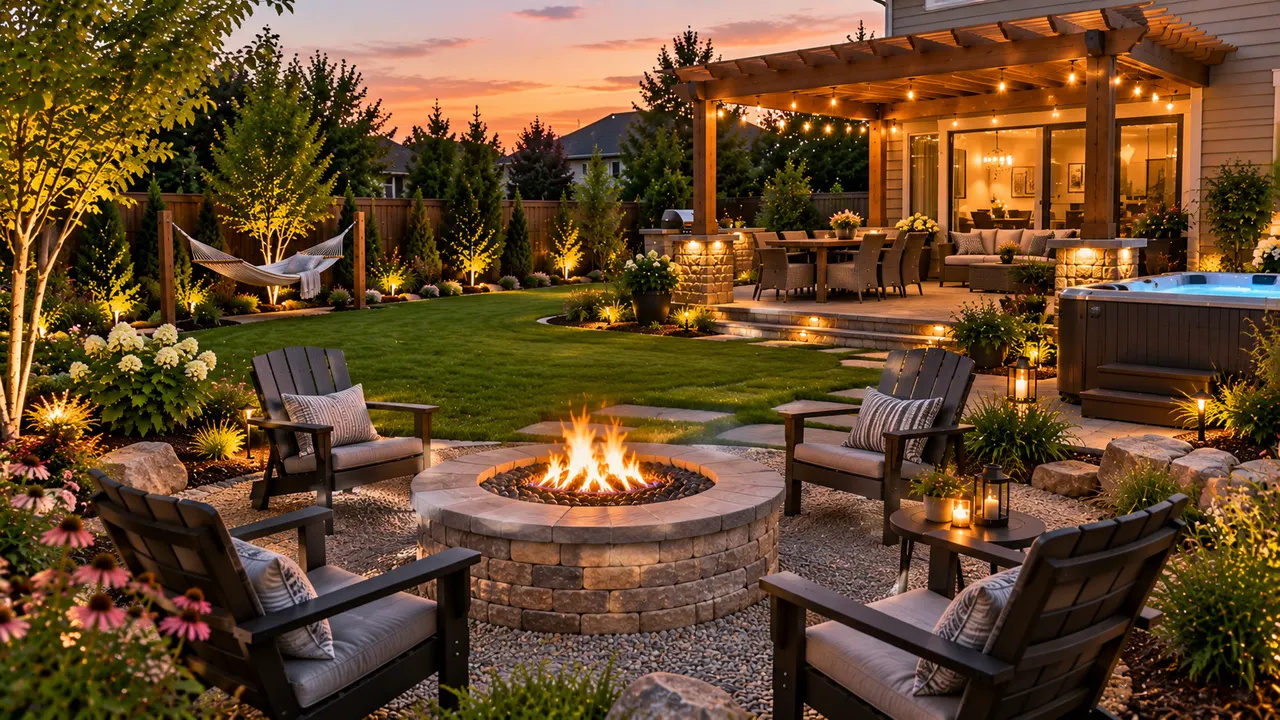 AI-generatedOutdoor Living
10 Backyard Staycation Ideas That Feel Like a Vacation
The best backyard staycation ideas give you a place to settle in: a comfortable lounge zone, shade, water, a fire feature, warm layered lighting and a few sensory touches. Start with two or three that fit your space and budget.
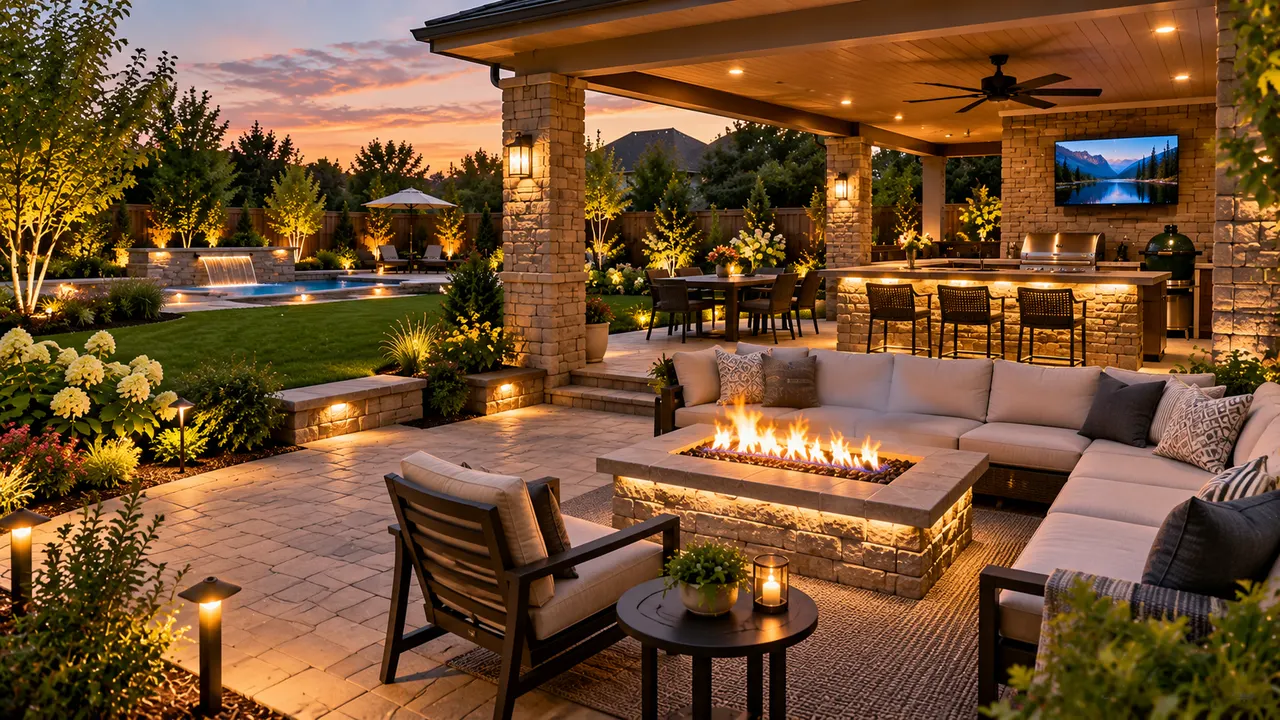 AI-generatedOutdoor Living
9 Ways to Make Your Patio Look More Expensive
To make your patio look more expensive, focus on styling rather than construction: layer warm lighting, size furniture to the space, define zones with rugs and planters, repeat two or three colors and hide hoses and bins. None of it requires a renovation.
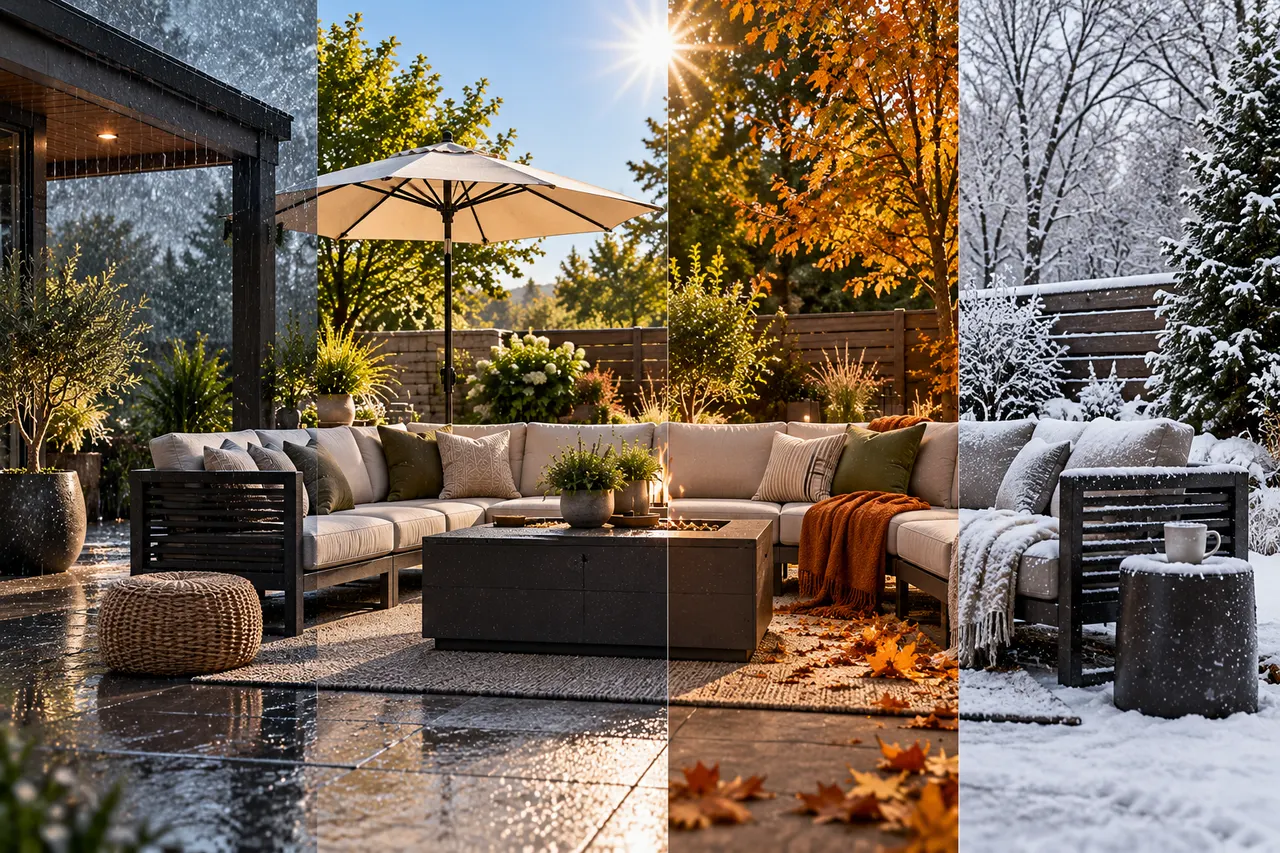 AI-generatedOutdoor Living
Best Outdoor Furniture for Rain, Sun and Year-Round Use
The best outdoor furniture is made from a material that suits your weather: teak, HDPE resin wicker and powder-coated aluminum handle rain best, and protecting cushions adds the most years.