
12 Grilling Tips to Improve Your Backyard BBQ
Better grilling comes from a few habits: set up two heat zones, cook by thermometer instead of time, oil hot, clean grates and rest meat before you cut it.
 By the Backyard with Ben teamUpdated · 9 min read

Quick answer
The grilling tips that matter most: set up a hot direct zone and a cooler indirect zone, preheat 10-15 minutes, clean and oil the grates right before cooking, cook to internal temperature with an instant-read thermometer, flip once instead of constantly, and rest meat 5-10 minutes before slicing. Those habits fix most dry, stuck or burnt food.
The best grilling tips are simple: control your heat with two zones, cook to internal temperature instead of the clock, and leave food alone long enough to sear. Most backyard grilling problems don't come from bad equipment; they come from a handful of habits that are easy to change once you know what to look for.
Whether you're working a basic charcoal kettle or a gas grill with more burners than you need, the fundamentals are the same. Here are twelve grilling tips that make the biggest difference in how your food turns out. If you're trying to diagnose a specific problem, like burnt sauce or dry chicken, our guide to common grilling mistakes and how to fix them works through it symptom by symptom.
Key Takeaways
- Set up two heat zones every time: direct heat for searing, indirect heat for finishing thicker cuts.
- Use a meat thermometer instead of guessing by color or cook time.
- Let meat rest 5-10 minutes after grilling so the juices stay in the meat instead of running onto the cutting board.
- Clean and oil the grates right before cooking, not after, to prevent sticking.
- Resist flipping and pressing the food more than necessary.
- Take the deep chill off meat before it hits the grill for more even cooking.
Build Two Heat Zones, Not One
A single, evenly hot grill surface sounds convenient, but it makes it hard to cook anything thicker than a hot dog properly.
On a charcoal grill, pile the coals on one side and leave the other side empty. On a gas grill, light only half the burners. That gives you a hot direct zone for searing and a cooler indirect zone for finishing food without scorching the outside.
Start steaks, chicken thighs and burgers over direct heat for a good sear, then move them to the indirect side to finish. For a whole chicken or a thick pork chop, most of the cooking should happen on the indirect side.
Hold your hand about 5 inches above the grate. If you can only keep it there for 2-3 seconds, that's a hot sear zone; 6-8 seconds is a good medium-low finishing zone.
How do you keep food from sticking to the grill?
Preheat the grill, scrape the hot grates clean, then oil them right before the food goes on. Sticking is almost always a grate problem, not a food problem.
Preheat for 10-15 minutes so old residue burns off and loosens, then scrape the grates with a grill brush while they're hot. Fold a paper towel, dip it in a neutral oil like canola or vegetable oil, and wipe it across the grates using tongs. That thin layer keeps proteins from bonding to the metal.
Oiling cold, dirty grates does very little, so do it right before cooking. Then give food time: most proteins release on their own once a crust forms. For keeping grates in good shape between cookouts, see our guide on how to clean a grill.
What temperature should grilled meat reach?
Cook to the USDA safe minimum internal temperatures: 145°F for whole cuts of beef, pork and lamb (plus a 3-minute rest), 160°F for burgers and other ground meat, and 165°F for all poultry. Recipe times are estimates; grill heat, thickness and even outdoor temperature change how long food actually needs.
| Food | USDA safe minimum | Note |
|---|---|---|
| Beef, pork, lamb and veal steaks, chops and roasts | 145°F | Rest at least 3 minutes before cutting |
| Ground beef, pork and lamb (burgers) | 160°F | No pink-color shortcut; use a thermometer |
| Chicken and turkey, whole, pieces or ground | 165°F | Check the thickest part, away from bone |
| Fish with fins | 145°F | Flesh turns opaque and flakes with a fork |
Insert an instant-read thermometer into the thickest part of the food, away from bone. Many people prefer steak below 145°F; for rare-to-well-done ranges and pull temperatures, see our guide to how to grill the perfect steak.
Thick cuts keep cooking from residual heat, called carryover cooking, so you can pull a thick steak a few degrees before your target doneness. For poultry and burgers, make sure the final reading reaches the safe minimum.
How long should meat rest after grilling?
Rest steaks, chops and chicken breasts about 5 minutes, and larger cuts like a whole chicken or roast 10-15 minutes, loosely tented with foil. Cutting in the second meat comes off the grill lets the juices run out onto the board.
Resting gives the juices time to settle back through the meat, and it lets carryover heat finish the job evenly. For whole cuts of beef, pork and lamb, USDA guidance calls for at least a 3-minute rest.
Take the Chill Off Before You Grill
A cold steak straight from the fridge can overcook on the outside before the inside catches up.
Pull steaks and chops out of the refrigerator about 20-30 minutes before grilling. This isn't about bringing meat fully to room temperature; it's about taking the deep chill off so the center cooks more evenly. Keep it well under the 2-hour limit for perishable food sitting out, or 1 hour on days above 90°F.
Leave the Food Alone While It Cooks
Constant flipping and pressing feels productive, but it usually works against you.
Pressing a burger with a spatula squeezes flavorful juices straight into the fire. Flipping too often prevents a proper sear, since the surface never gets enough uninterrupted contact with the heat.
For most cuts, flip once, maybe twice. Let a crust develop on one side, usually 3-5 minutes over direct heat depending on thickness, before turning it over.
Manage Flare-Ups Instead of Panicking
Small flames from dripping fat are normal. A sustained flare-up that's charring your food is a different problem.
If flames spike, move the food to the indirect zone for a minute rather than spraying water, which kicks up steam and ash. Trimming excess fat and keeping the grease tray empty both reduce flare-ups in the first place. If a grease fire won't die down, close the lid and turn off the gas or shut the vents to starve it of air.
Season With Enough Salt, Early Enough
Under-seasoning is one of the most common reasons grilled food tastes flat.
For steaks and chops, salt at least 40 minutes before grilling so the salt draws out moisture that's then reabsorbed, seasoning the meat below the surface. Short on time? Salt immediately before cooking instead. Avoid the in-between window of roughly 10-30 minutes, when the moisture is still sitting on the surface and keeps the meat from searing well.
Match Your Fuel and Setup to What You're Cooking
Quick-cooking foods like burgers, thin steaks and vegetables do well over direct high heat. Larger cuts like whole chickens, pork shoulders or thick roasts need lower, longer, indirect cooking.
Charcoal typically runs hotter and adds more smoky flavor; gas offers faster, easier temperature control. Neither is objectively better, and our gas vs charcoal grill comparison breaks down which fits your cooking style.
Light Charcoal With a Chimney Starter
A chimney starter gets charcoal ready without lighter fluid and the off flavors that come with it. Fill the chimney, set a couple of sheets of crumpled newspaper or a fire starter underneath, and light it.
The coals are ready when the top layer is covered in gray ash, usually 15-20 minutes. Pour them out wearing heat-resistant gloves. If you do use lighter fluid, let it burn off completely before cooking, and never add it to coals that are already lit.
Prep Everything Before the Grill Is Hot
Grilling moves fast, and the moment you walk inside for tongs is the moment something burns.
Before you light the grill, have the food seasoned, the oil and paper towels ready, a thermometer in your pocket, sauces portioned out, and two sets of tongs and plates: one for raw food and a clean set for cooked food. Keep raw meat in the refrigerator until you're ready to cook it.
Slice Against the Grain
How you cut meat changes how tender it feels. Look for the lines of muscle fiber running through a steak or a cut like flank or skirt, then slice across them rather than parallel.
Cutting against the grain shortens the fibers in every bite, which makes even chewier cuts noticeably easier to eat.
Better Grilling Comes From a Few Small Habits
None of these grilling tips require expensive gear. Two heat zones, a thermometer, clean oiled grates and a little patience will improve almost anything you put on the grill.
Change one habit at a time, starting with using a thermometer and resting your meat, and you'll notice the difference by your next cookout.
Frequently Asked Questions
What's the ideal grill temperature for most foods?
Direct high heat, roughly 450-550°F, works well for searing burgers, steaks and thin cuts. Indirect medium heat, around 300-350°F, is better for finishing thicker cuts or slow-cooking larger pieces of meat.
How do I keep chicken from drying out on the grill?
Cook to 165°F with a thermometer rather than by time, brine or marinate beforehand if you can, and finish thicker pieces over indirect heat instead of direct flame. Bone-in thighs and drumsticks are also more forgiving than boneless breasts.
Should I close the grill lid while cooking?
For quick, thin foods over direct heat, the lid can stay open. For thicker cuts or anything on indirect heat, keep the lid closed so the grill works like an oven and heat circulates evenly.
What are the easiest foods to grill for beginners?
Burgers, sausages, bone-in chicken thighs and sturdy vegetables like zucchini, bell peppers and corn are forgiving starting points. They handle a range of heat well and give you practice with two-zone cooking and a thermometer.
Published · Last updated . Written by the Backyard with Ben team from standard, widely published guidance. About us.
More for your backyard
Gear up with our top-rated tool picks, shop the look if you'd rather buy than build, or read a related guide. See all BBQ & Grilling guides.
Related guides
 AI-generatedBBQ & Grilling
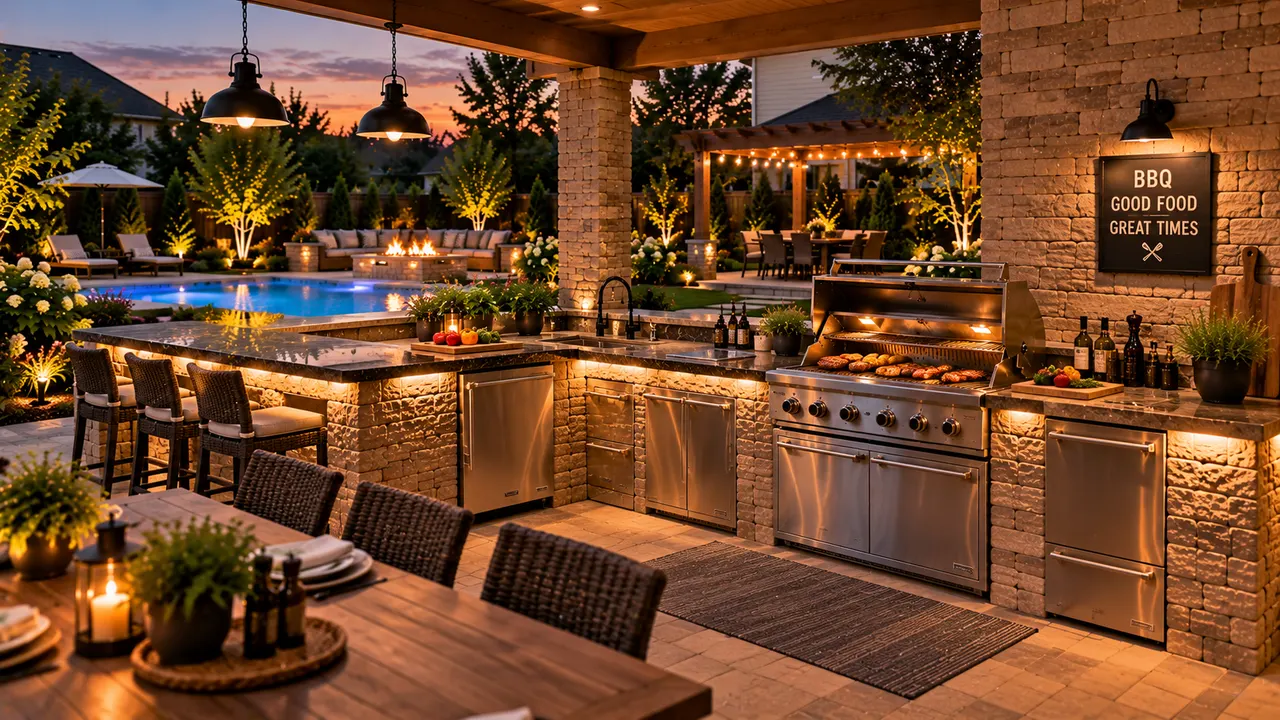
9 Grilling Mistakes That Ruin Good Food and How to Fix Them
Most disappointing grilled food comes from a few fixable habits: crowding the grate, lifting the lid, skipping the preheat and brushing on sugary sauce too early.
 AI-generatedBBQ & Grilling
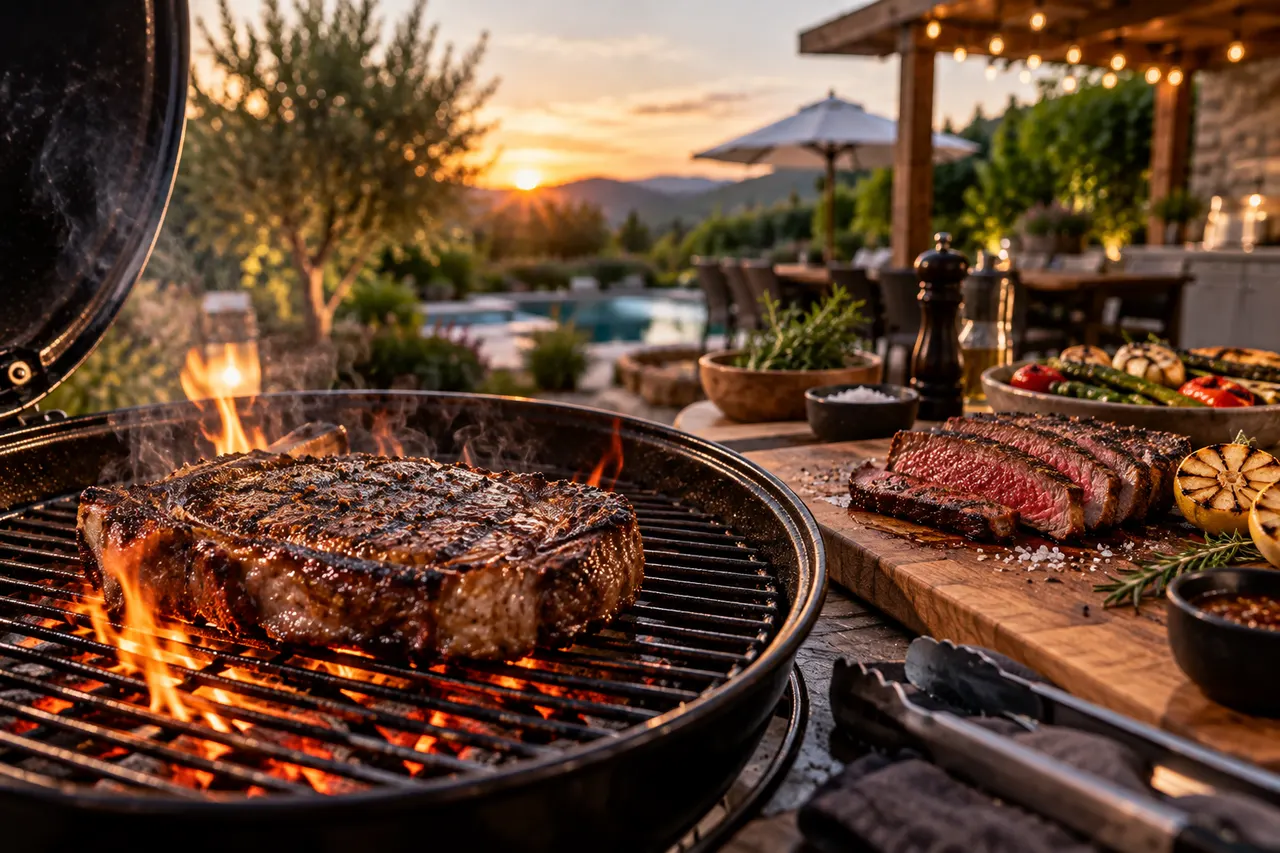
How to Grill the Perfect Steak: Temperature and Timing
Sear over high heat, finish thicker steaks on a cooler zone, and pull the steak about 5°F below your target, since it keeps rising as it rests. Medium-rare finishes at 130-135°F.
 AI-generatedBBQ & Grilling
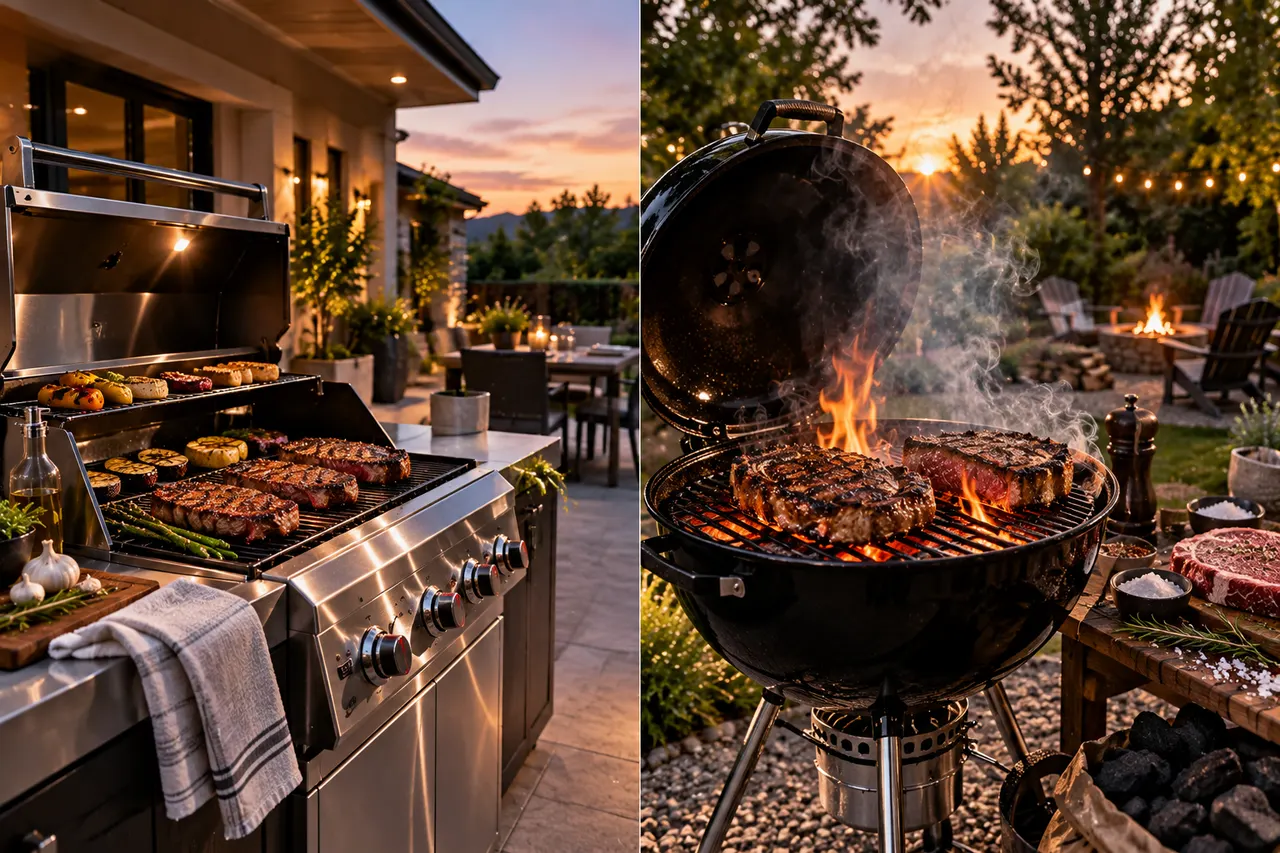
Gas vs. Charcoal Grill: Which Is Better for You?
Charcoal gives smokier flavor and a hotter sear; gas preheats in about 10-15 minutes and cleans up faster. The better grill is the one that fits how often and how you cook.