
Gas vs. Charcoal Grill: Which Is Better for You?
Charcoal gives smokier flavor and a hotter sear; gas preheats in about 10-15 minutes and cleans up faster. The better grill is the one that fits how often and how you cook.
 By the Backyard with Ben teamUpdated · 9 min read
Quick answer
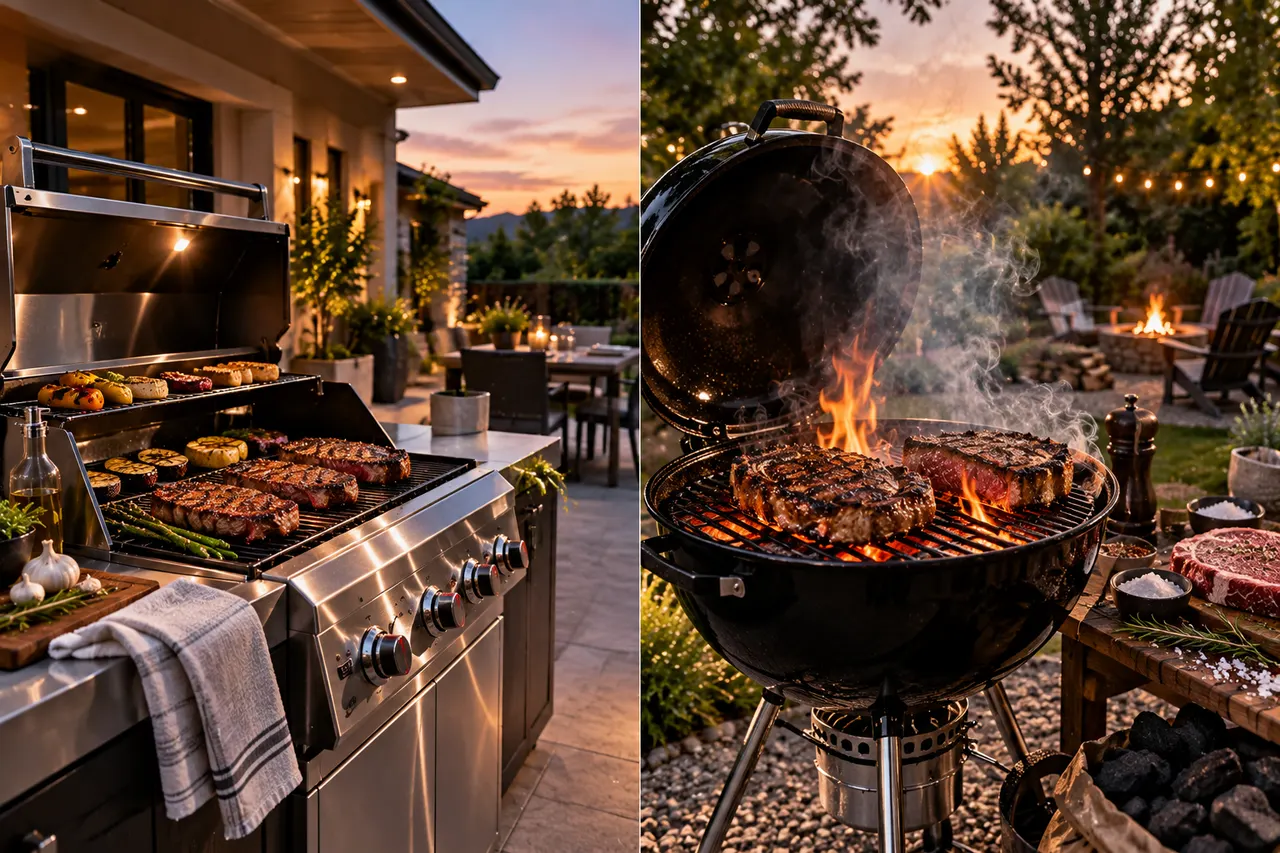
Neither is better for everyone. Choose a gas grill if you grill often on weeknights and want fast startup, easy temperature control and quick cleanup. Choose charcoal if smoky flavor and a very hot sear matter most and you don't mind 15-25 minutes of setup plus ash cleanup. Charcoal kettles are usually the cheaper grill to buy.
In the gas vs charcoal grill debate, charcoal wins on smoky flavor and maximum searing heat, while gas wins on convenience, precise heat control and fast cleanup. There's no universal winner, only the grill that better fits how often you cook, what you cook and how much time you want to spend on setup.
Ask ten backyard cooks which is better and you'll get ten confident, different answers. Both camps are right about something, and wrong about something else.
This guide breaks down the real differences in flavor, convenience, heat control, running cost and cleanup, with a side-by-side table at the end, so you can match the grill to your backyard instead of someone else's opinion.
Key Takeaways
- Charcoal produces more smoky, charred flavor because dripping fat hits hot coals directly; gas can get closer with wood chips, but not identical.
- Gas grills are ready in about 10-15 minutes; charcoal needs 15-25 minutes for the coals to ash over first.
- Charcoal can reach higher searing temperatures, often 700°F or more, while most consumer gas grills top out around 500-600°F.
- Propane generally costs less per hour of cooking than charcoal, though both are modest compared with the cost of the grill.
- Gas grills clean up faster; charcoal leaves ash that has to cool completely before you dump it.
- Charcoal kettle grills usually cost less upfront and have fewer mechanical parts that can fail.
Which grill tastes better: gas or charcoal?
Charcoal usually tastes smokier. When fat and juices drip onto hot coals, they vaporize and coat the food in smoky compounds that are hard to replicate any other way, which is why a charcoal-grilled burger or chicken thigh often tastes noticeably different from the same cut cooked on gas.
Charcoal also chars food more aggressively at high heat, building the crusty flavor people associate with classic grilling. Lump charcoal tends to burn hotter and faster, while briquettes burn more evenly and predictably. Some cooks notice a faint off taste from cheaper briquettes or from lighter fluid, especially if food goes on before the coals are fully ashed over.
Gas grills aren't flavorless. They still sear, caramelize the surface of meat and leave real grill marks, and adding wood chips in a smoker box or foil packet gives a gas grill genuine smoke flavor without switching fuels.
For thin, fast-cooking foods like burgers, hot dogs and vegetables, the difference is noticeable but small. For longer cooks like bone-in chicken, ribs or a thick steak, charcoal's flavor advantage becomes more obvious.
For more smoke on a gas grill, wrap a handful of wood chips in foil, poke a few holes in the top, and set the packet directly over a lit burner under the grate. Many cooks soak the chips for 15 minutes first so they smolder instead of flaring.
Which grill is faster and easier to use?
Gas is faster and easier. Turn a knob, press the igniter, and you're typically cooking within 10-15 minutes once the grill preheats, with no fuel to measure and no waiting for coals.
Charcoal takes real setup time. A chimney starter lit with a couple of sheets of newspaper usually needs 15-25 minutes before the coals are covered in gray ash and ready to spread. Lighting coals with lighter fluid and cooking too soon risks a chemical aftertaste.
Mid-cook adjustments favor gas too. If one side is browning too fast, you turn a knob down. On charcoal, your options are moving food to a cooler zone, adjusting the vents or adding coals, none of which respond instantly.
If you grill on a random Tuesday after work, gas removes almost all the friction. If grilling itself is part of the relaxation, the extra 20 minutes of charcoal setup can feel like part of the experience.
Heat Control and Maximum Temperature
Gas gives you more consistent, repeatable control, while charcoal gives you a higher maximum heat. Dial in medium on a gas grill today and you'll get roughly the same result next week, and multiple burners make two-zone cooking simple: one side high for searing, the other low for finishing.
Charcoal does two-zone cooking too, just less precisely. You bank coals on one side for direct heat, leave the other side empty, and use the top and bottom vents to control airflow. It works well but takes practice to learn how vent settings translate into grill temperature. Our grilling tips cover how to set up two heat zones on either fuel.
Where charcoal pulls ahead is the ceiling. A full charcoal grate with the vents wide open can reach 700°F or more, hot enough to crust a steak in a couple of minutes per side. Most residential gas grills max out around 500-600°F, which handles almost everything but falls short of a steakhouse-style sear. If steak night is the priority, see how that heat plays out in our guide to how to grill the perfect steak.
Is gas or charcoal cheaper to run?
Per hour of cooking, propane usually comes out cheaper than charcoal. A standard 20-pound propane tank typically provides somewhere around 18-20 hours of grilling at medium heat, which stretches across a lot of weeknight cookouts.
Charcoal gets used up faster. A typical cook burns somewhere between half a chimney and a full chimney, depending on grill size and cook length, so a bag covers noticeably fewer hours of cooking than a tank refill does.
If your house has a natural gas line and your grill is built or factory-converted for natural gas, you skip tank refills altogether. Running a new line to the patio is a job for a licensed professional and adds to the upfront cost.
Either way, fuel is a modest part of the total. The bigger cost difference between gas and charcoal usually shows up in the price of the grill itself.
Cleanup and Maintenance
Gas grills are faster to clean after a cookout. Scrape the grates while they're warm, empty the grease tray every few cooks, and check the burner tubes for clogs or spider webs now and then. There's no ash at all.
Charcoal adds a step: the ash has to cool completely, usually 24-48 hours, before it goes into a metal container, never a plastic bag or bin. Coals can hold heat far longer than they look, so skipping that wait is a real fire risk. Our guide on how to clean a grill walks through the routine for both types.
Long-term, gas grills need more attention to mechanical parts: igniters, burner tubes, hoses and valves can wear out or need cleaning. Charcoal grills are mechanically simple, usually just a bowl, grates and vents, so there's less that can break.
Upfront Cost and Lifespan
A basic charcoal kettle is usually the cheapest way into grilling. Gas grills generally cost more to start with and span a much wider range, from compact two-burner models to large setups with side burners, extra shelves and rotisserie attachments.
Lifespan depends on materials and maintenance in both cases. A charcoal kettle that's cleaned and kept covered can last many years because there's so little that can fail. Gas grills often need burners or igniters replaced at some point, especially in humid or coastal climates where hardware corrodes faster, though many of those parts are replaceable.
If you're budget-conscious and don't mind extra setup and cleanup, charcoal gets you more grill for less money upfront. If you'll pay more for convenience and features, gas offers more sizes and options to grow into.
So Which Grill Should You Actually Buy?
If you grill often, on weeknights, and want a quick, no-fuss dinner, buy a gas grill. If you grill less often, care most about flavor and want very high-heat searing or a smokier finish without a separate smoker, buy charcoal. Here's how they compare side by side:
| Factor | Gas grill | Charcoal grill |
|---|---|---|
| Flavor | Clean grilled flavor; add smoke with wood chips | Smokier, more charred flavor |
| Time to start cooking | About 10-15 minutes | About 15-25 minutes |
| Maximum heat | Typically 500-600°F | 700°F or more |
| Heat control | Knobs; precise and repeatable | Vents and coal placement; takes practice |
| Fuel cost per hour | Usually lower (propane) | Usually higher |
| Cleanup | Scrape grates, empty grease tray | Scrape grates, dispose of cooled ash |
| Upfront cost | Generally higher | Generally lower |
| Parts that can fail | Igniter, burners, valves, hoses | Few: bowl, grates, vents |
Plenty of backyard cooks end up owning both: a gas grill for Tuesday night burgers and a charcoal kettle for weekend ribs or steak night. There's no rule that says you have to pick just one.
Gas vs Charcoal Grill: There's No Universal Winner
The honest answer to the gas vs charcoal grill question is that both are good at different things. Gas wins on convenience, consistency and cleanup. Charcoal wins on flavor and maximum heat, at the cost of more setup time and ash to deal with afterward.
Match the grill to your routine, your patience for setup and how much you care about that extra smoky char, and you'll be happy with either one.
Frequently Asked Questions
Can you get smoky flavor from a gas grill?
Yes, to a point. Wood chips in a smoker box or a foil packet with holes poked in it, set over a lit burner, add real smoke flavor to a gas grill, though it still won't taste exactly like food cooked over charcoal.
Is lump charcoal better than briquettes?
Lump charcoal lights faster, burns hotter and leaves less ash, which makes it good for searing. Briquettes burn longer and more evenly, which makes temperature easier to manage on longer cooks. Neither is better for every job.
Which grill is better for beginners?
Gas is usually easier for beginners because heat control is as simple as turning a knob and startup takes minutes. Charcoal isn't hard to learn, but managing vents and coal placement takes a few cooks to get comfortable with.
Can a propane grill be converted to natural gas?
Only if the manufacturer offers a conversion kit for that specific model, since natural gas runs at a different pressure and needs different orifices and fittings. Have the conversion and gas line done by a qualified professional rather than improvising parts.
Is charcoal or gas safer to use in a backyard?
Both are safe when used correctly, outdoors and away from structures and dry vegetation. Gas carries a risk of leaking hoses or connections, so leak-test each season. Charcoal carries a risk from ash disposed of before it has fully cooled.
Published · Last updated . Written by the Backyard with Ben team from standard, widely published guidance. About us.
More for your backyard
Gear up with our top-rated tool picks, shop the look if you'd rather buy than build, or read a related guide. See all BBQ & Grilling guides.
Related guides
 AI-generatedBBQ & Grilling
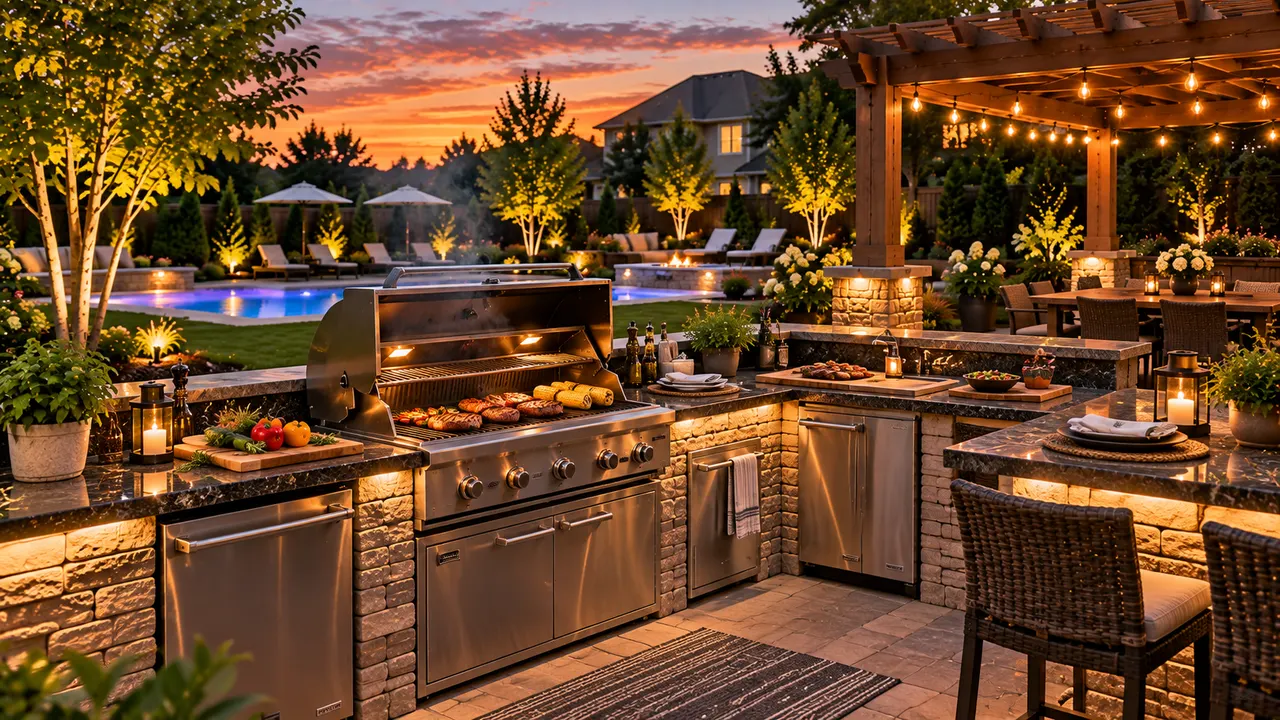
12 Grilling Tips to Improve Your Backyard BBQ
Better grilling comes from a few habits: set up two heat zones, cook by thermometer instead of time, oil hot, clean grates and rest meat before you cut it.
 AI-generatedBBQ & Grilling
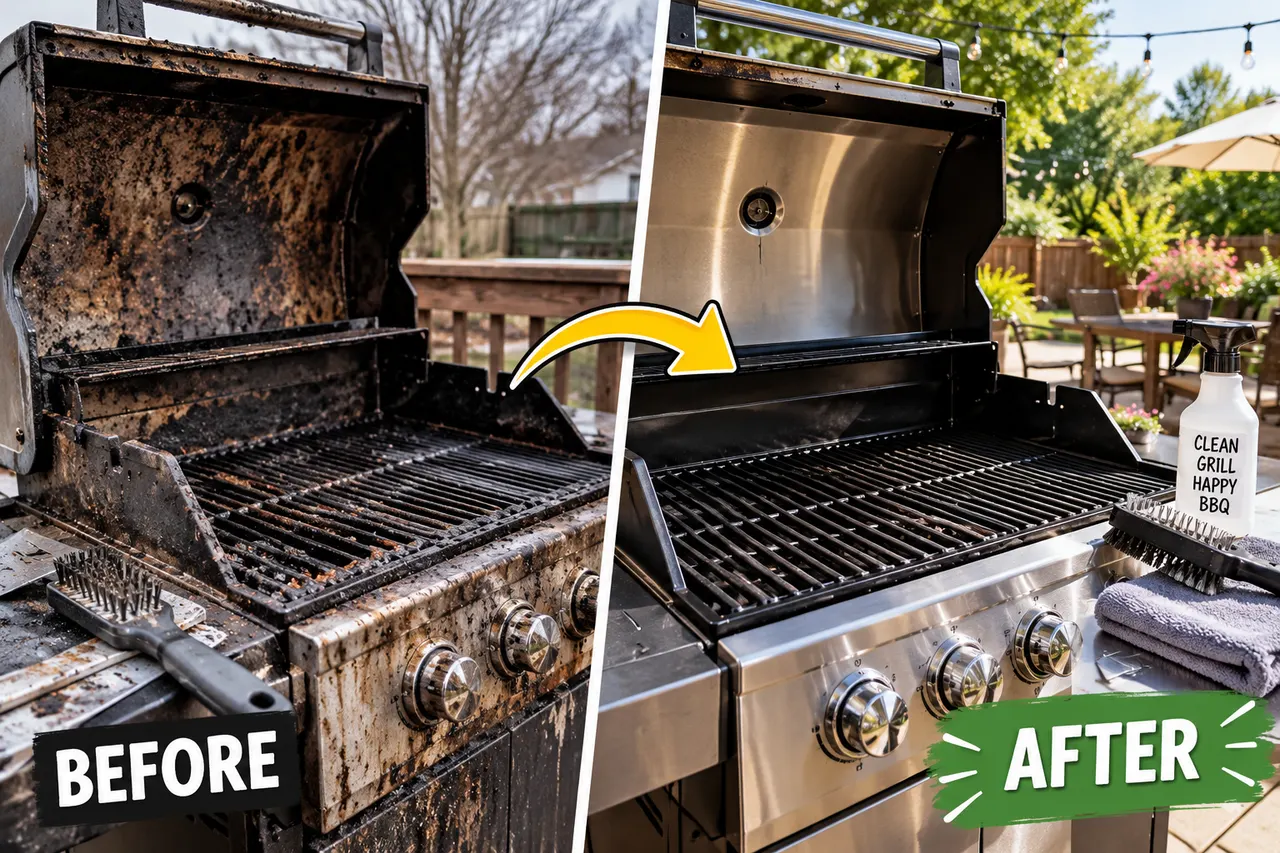
How to Clean a Grill: Quick Routine and Deep Clean
Brush the grates while they're still warm after every cook, then deep clean the grates, burners and grease trap every 4-6 weeks during grilling season.
 AI-generatedBBQ & Grilling
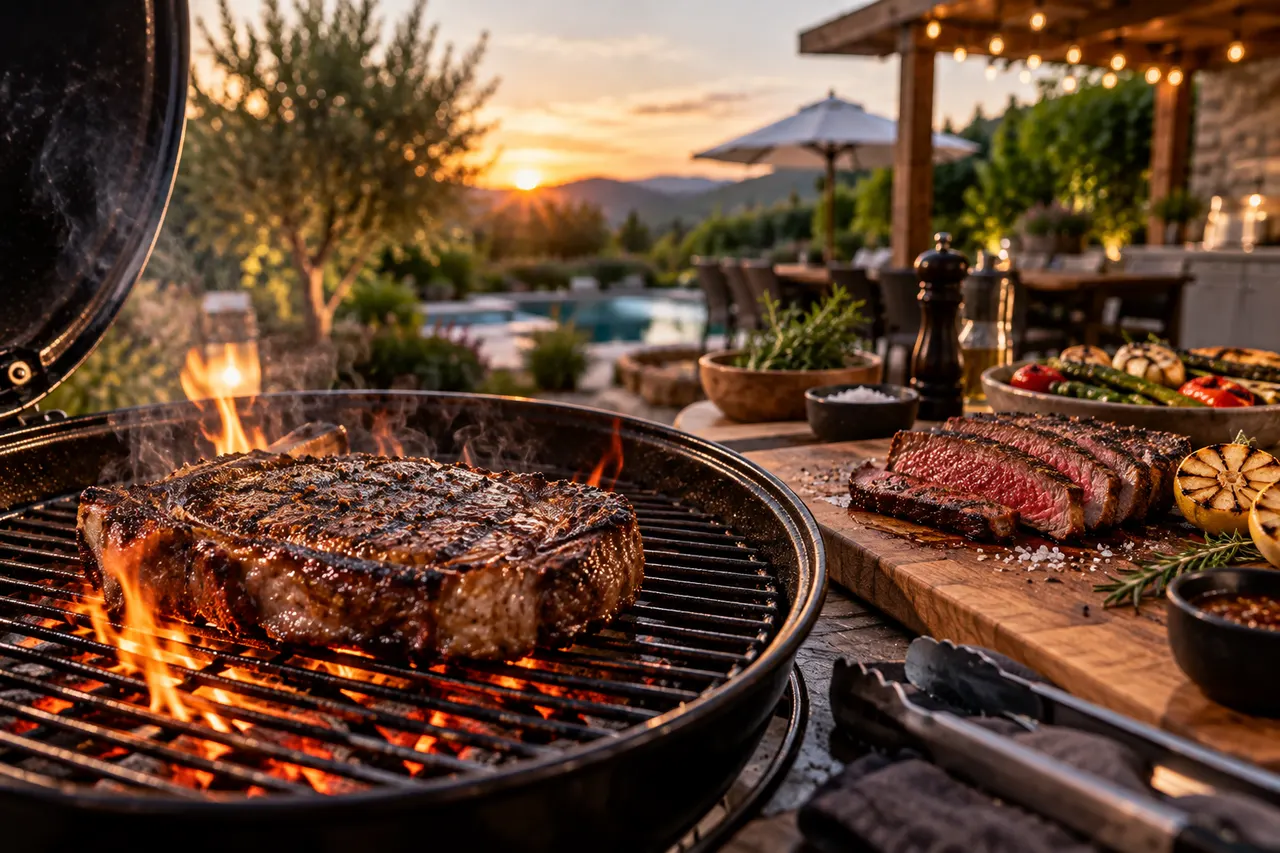
How to Grill the Perfect Steak: Temperature and Timing
Sear over high heat, finish thicker steaks on a cooler zone, and pull the steak about 5°F below your target, since it keeps rising as it rests. Medium-rare finishes at 130-135°F.