
7 Lawn Care Mistakes That Are Ruining Your Grass
Most thin, patchy lawns are the result of everyday habits: mowing too short, watering a little every day, dull blades, bagging every clipping and fertilizing blind. Here are seven to stop and what to do instead.
 By the Backyard with Ben teamUpdated · 7 min read

Quick answer
The most common lawn care mistakes are mowing too short, watering lightly every day, mowing with a dull blade, bagging every clipping, fertilizing without a soil test, never aerating, and mistiming weed control or overseeding. Swap each for a better habit: mow high, water deeply 2-3 times a week, and test before you feed.
The lawn care mistakes that do the most damage are everyday habits: cutting the grass too short, watering a little every day, mowing with a dull blade and fertilizing without knowing what the soil needs. A thin, patchy lawn usually isn't bad luck or bad seed; it's these routines quietly stressing the grass over time.
The good news is that each one has a simple replacement habit, and none of them require ripping out the lawn and starting over.
Here are seven common lawn care mistakes that could be working against you right now, and what to do instead. If you're trying to figure out what's wrong with a lawn that already looks bad, start with our guide to diagnosing a tired-looking lawn.
Key Takeaways
- Never cut more than the top third of the grass blade in a single mowing.
- Water deeply and infrequently instead of a little bit every day.
- Sharpen mower blades at least once or twice a season.
- Leave short grass clippings on the lawn instead of bagging them every time.
- Test your soil before adding more fertilizer on top of an existing problem.
- Time weed control and overseeding for when they'll actually work, not just when it's convenient.
How Short Is Too Short to Cut Grass?
Cutting off more than a third of the blade at once is too short. For most cool-season lawns that means mowing at 3-3.5 inches; warm-season grasses like Bermuda can be kept closer to 1.5-2.5 inches.
Mowing low feels like it should mean fewer mowings, but it backfires. Scalped grass spends its energy recovering instead of building deep roots, and short grass lets sunlight reach bare soil, which is exactly what weed seeds need to germinate.
If your lawn got away from you and grew too tall, raise the mower deck and bring it down gradually over a few mowings instead of scalping it in one pass.
Is It Bad to Water Your Lawn Every Day?
For an established lawn, yes. Daily light watering trains roots to stay near the surface, where they dry out fast and struggle in heat.
Deeper, less frequent watering pushes roots further down, where moisture is more stable. Most lawns do best with about 1-1.5 inches of water per week, split across 2-3 sessions. The exception is newly seeded grass, which does need light, frequent watering until it's established.
Mowing With a Dull Blade
A dull mower blade doesn't cut grass cleanly. It tears it, leaving ragged tips that turn brownish-gray within a day or two.
Beyond looks, torn grass is more vulnerable to disease and loses moisture faster than cleanly cut grass.
Sharpen or replace the blade at least once or twice during the growing season, more often on a large lawn. Quick check: look at the cut tips a day after mowing. If they look brown and shredded instead of clean, it's time to sharpen.
Always Bagging the Clippings
Bagging every time isn't necessary, and it removes nutrients that would otherwise go back into the soil.
Short clippings, less than about an inch, break down quickly and return nitrogen and organic matter to the lawn, a practice often called grasscycling. Contrary to a common belief, short clippings don't cause thatch; thatch is mostly made of tougher stems and roots.
Bag only when clippings are long and clumpy, such as after skipping a mow or two, or when the lawn shows signs of active disease, so you're not smothering grass or spreading fungus.
Fertilizing Without Knowing What the Soil Needs
Adding fertilizer on top of a lawn problem without knowing the cause is like guessing at medicine. Too much nitrogen pushes fast, weak growth and can burn grass, and the wrong pH can block nutrients the lawn already has.
A basic soil test, available at low cost through most local extension offices, tells you actual pH and nutrient levels. Most lawns do well at a pH of about 6.0-7.0; if your test is well outside that range, correcting it with lime or sulfur often solves problems fertilizer alone can't.
Timing matters as much as the product. Feeding a cool-season lawn heavily in spring instead of fall is a classic error; see when to fertilize your lawn by season.
Never Aerating a High-Traffic Lawn
Heavy foot traffic, parked equipment and years without aeration compact the soil until roots can't push through it or reach water and air. A compacted lawn stays thin no matter how much you water or feed it, because the problem is underground.
Make core aeration a routine rather than an emergency fix: once a year is enough for most lawns that see regular use, in early fall for cool-season grass or late spring for warm-season grass.
Fighting Weeds and Overseeding at the Wrong Time
Pre-emergent weed control has to go down before weed seeds germinate. Once crabgrass is visible, it's too late for that product to help. Our guide on how to get rid of weeds in your lawn covers the soil-temperature cue to watch for.
Overseeding has the opposite problem: seed spread during peak summer heat, or over thatch and long grass, mostly goes to waste. Early fall is the best window for cool-season lawns, and late spring for warm-season lawns; follow these step-by-step overseeding instructions to get the prep and watering right. Also keep the two jobs apart, since most pre-emergents stop grass seed from sprouting too.
Small Changes Add Up to a Healthier Lawn
Here's each mistake and the habit to replace it with:
| Mistake | Why it hurts | Do this instead |
|---|---|---|
| Mowing too short | Weak roots, more weeds | Remove no more than a third of the blade |
| Watering a little every day | Shallow roots that dry out fast | About 1-1.5 in/week in 2-3 deep sessions |
| Dull mower blade | Torn, browned tips; more disease | Sharpen once or twice a season |
| Bagging every clipping | Throws away free nutrients | Leave short clippings on the lawn |
| Fertilizing blind | Burn, weak growth, wasted product | Soil test, then feed on schedule |
| Never aerating | Compacted soil starves roots | Core aerate yearly in high-traffic lawns |
| Mistimed weed control or seeding | Products and seed wasted | Pre-emergent in early spring, seed in the right season |
None of these fixes require starting over. Adjusting mowing height, watering and feeding habits is usually enough to see a real difference within a season. Change one or two things at a time, watch how the lawn responds, and give it time; grass recovers gradually, not overnight.
Frequently Asked Questions
What is the most common lawn care mistake?
Mowing too short is one of the most common and most damaging. It weakens roots, lets sunlight reach bare soil so weeds can germinate, and makes the lawn far less tolerant of heat and drought.
What time of day should I water my lawn?
Early morning is best. Water has time to soak in before midday heat evaporates it, and the grass dries off during the day instead of staying wet overnight, which can encourage fungal disease.
Is it bad to mow wet grass?
It's best avoided. Wet grass clumps, clogs the mower and tends to tear rather than cut cleanly, and wet ground is more easily rutted and compacted. Wait until the blades have dried if you can.
Can a damaged lawn be fixed without starting over?
Usually, yes. Correcting mowing, watering and feeding habits, aerating compacted areas and overseeding thin spots will bring most lawns back within a season or two. Full renovation is only worth it when weeds or bare soil make up most of the yard.
Published · Last updated . Written by the Backyard with Ben team from standard, widely published guidance. About us.
More for your backyard
Gear up with our top-rated tool picks, shop the look if you'd rather buy than build, or read a related guide. See all Lawn Care guides.
Related guides
 AI-generatedLawn Care
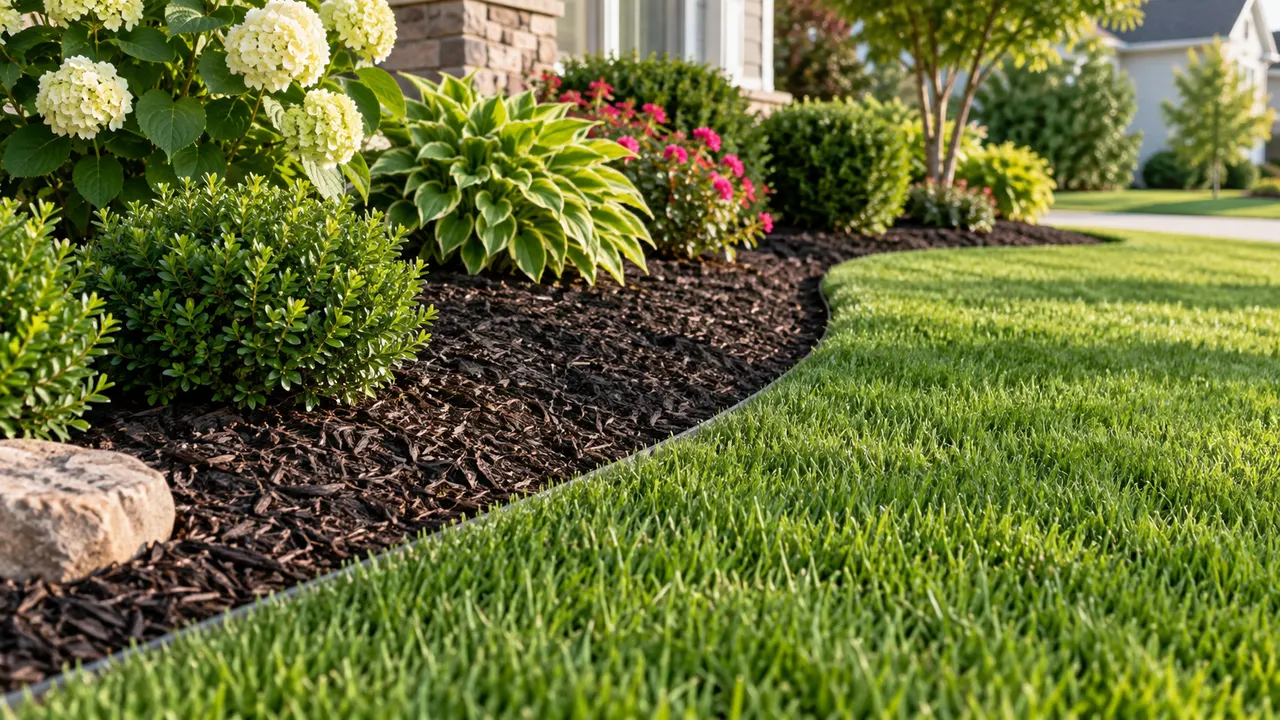
Why Your Lawn Looks Tired: 7 Causes and How to Fix Each
Dull, thin or yellowing grass almost always has a specific cause: heat stress, low nitrogen, thatch, compaction, shade, mowing height or pests. Diagnose the symptom first, then fix the cause instead of guessing.
 AI-generatedLawn Care
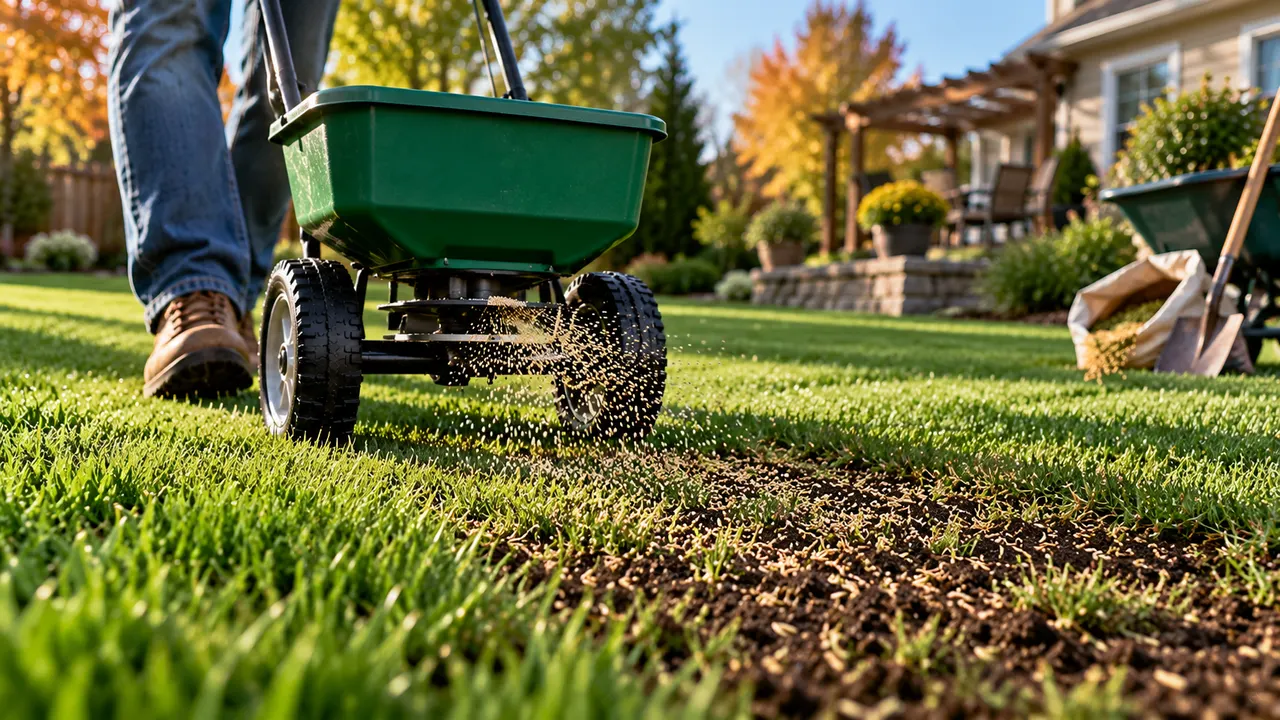
How to Overseed a Lawn for Thicker, Greener Grass
To overseed a lawn, mow short, rake out thatch, spread seed at the bag's overseeding rate, rake it in and keep the soil moist until it sprouts. Cool-season lawns do best from mid-August to early October.
 AI-generatedLawn Care
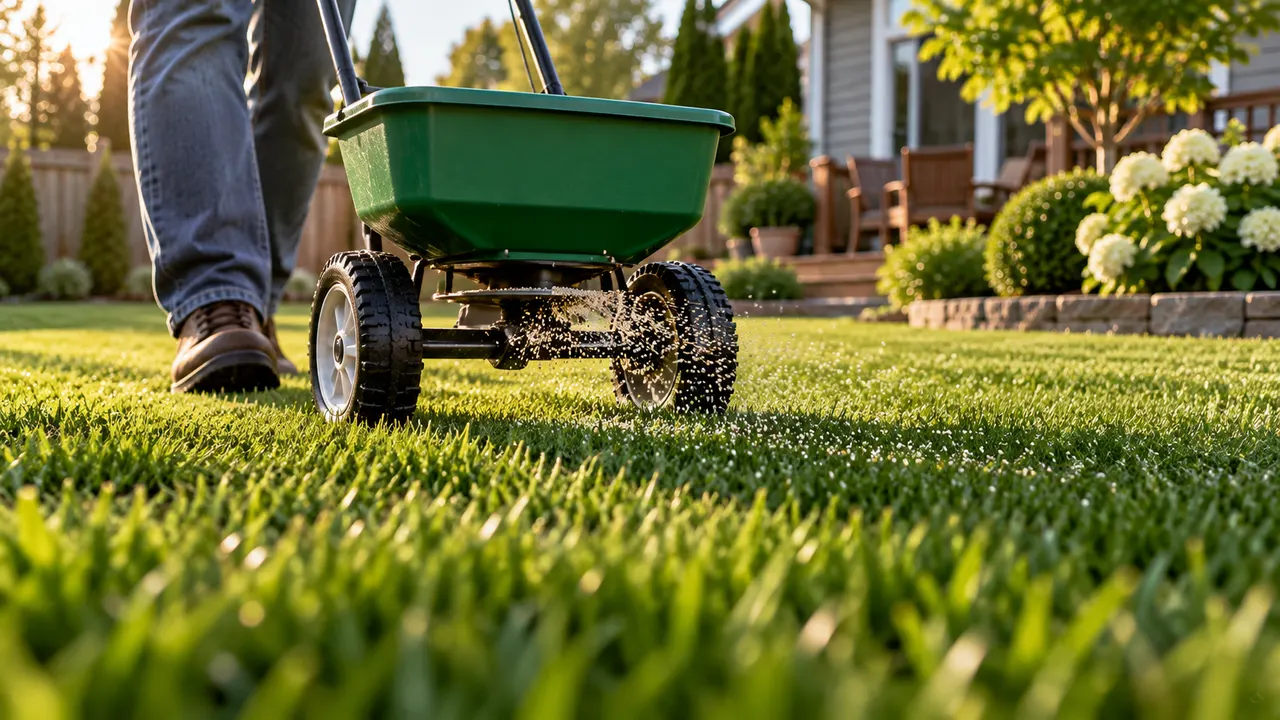
How to Get Rid of Weeds in Your Lawn Without Killing the Grass
Identify whether you're dealing with broadleaf weeds, grassy weeds or sedges, then treat each at the right time with a selective product or by hand. A thick, well-mowed lawn is the best long-term weed control.