
How to Get Rid of Weeds in Your Lawn Without Killing the Grass
Identify whether you're dealing with broadleaf weeds, grassy weeds or sedges, then treat each at the right time with a selective product or by hand. A thick, well-mowed lawn is the best long-term weed control.
 By the Backyard with Ben teamUpdated · 9 min read
Quick answer
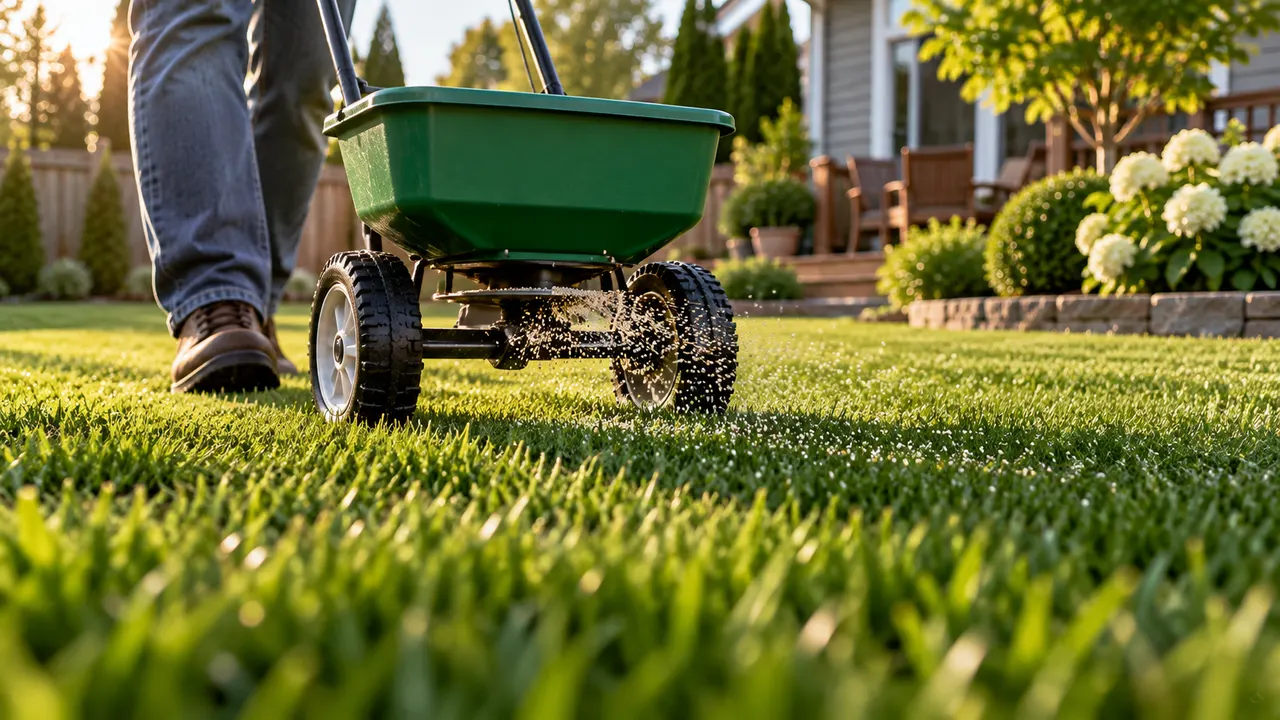
To get rid of lawn weeds without killing grass, identify the weed type first. Pull or spot-spray broadleaf weeds like dandelions with a selective lawn herbicide, stop crabgrass with a pre-emergent in early spring, and use a sedge-specific product for nutsedge. Then mow higher and overseed thin spots so weeds can't return.
To get rid of weeds in your lawn without killing the grass, match the treatment to the weed: selective herbicide or hand-pulling for broadleaf weeds, pre-emergent for crabgrass, and a sedge-specific product for nutsedge. Then fix the thin spots that let weeds in, because a lawn full of dandelions, clover or crabgrass usually means the grass left an opening and a weed took it.
A lot of advice treats every weed the same way. Spray something strong enough and the weeds die, but so does the grass around them, leaving bare patches that grow new weeds next season.
This guide walks through identifying what you're dealing with, treating it at the right time and building a lawn thick enough that weeds struggle to get a foothold again.
Key Takeaways
- Identify whether you have broadleaf weeds, grassy weeds or sedges before buying any product; each needs a different treatment.
- Mow cool-season grass at 3-3.5 inches; taller grass shades the soil and keeps many weed seeds from germinating.
- Pull or spot-treat weeds while they're young, ideally before they flower and drop seed.
- Apply crabgrass pre-emergent when soil temperature holds around 55°F, usually a couple of weeks before your last frost.
- Use a selective broadleaf herbicide labeled for lawns, not a total vegetation killer, anywhere near grass you want to keep.
- A thick, well-fed lawn is the best long-term weed control; bare and thin spots are where weeds get in.
What Kind of Weed Are You Fighting?
Most lawn weeds fall into three groups (broadleaf weeds, grassy weeds and sedges), and each needs a different approach. Treating the wrong one the wrong way wastes money and can still damage your grass.
Broadleaf weeds like dandelions, clover and plantain have wide, flat leaves that look nothing like grass. Grassy weeds like crabgrass and foxtail look like grass and are easy to miss until they've spread. Sedges like yellow nutsedge look grass-like too, but they grow faster than your turf and have a triangular stem you can feel if you roll it between your fingers.
| Weed type | Common examples | Best treatment | Best timing |
|---|---|---|---|
| Broadleaf | Dandelion, clover, plantain, creeping Charlie | Hand-pull or spot-spray a selective broadleaf lawn herbicide | Early fall is most effective; spring also works while weeds are actively growing |
| Grassy (annual) | Crabgrass, foxtail | Pre-emergent before seeds sprout; pull young plants | Early spring, when soil holds around 55°F |
| Sedge | Yellow nutsedge | Herbicide labeled for sedges; avoid overwatering | Late spring to early summer, while it's actively growing |
Take a photo of the weed before you buy anything. Garden center staff and plant identification apps can usually tell you what it is quickly, which keeps you from grabbing the wrong bottle off the shelf.
What Mowing Height Helps Crowd Out Weeds?
Keep cool-season grass at about 3 to 3.5 inches and warm-season grass like Bermuda or zoysia at about 1.5 to 2.5 inches, depending on the variety. It's free weed control that most homeowners underuse.
Taller grass shades the soil surface, and many weed seeds, crabgrass especially, need sunlight on bare soil to germinate. Cutting too short does the opposite: it exposes soil, stresses the roots and opens the door for weeds exactly where your grass is thinnest. Scalping the lawn is one of the most common lawn care mistakes behind weed problems.
Never cut off more than about a third of the blade in a single mow. If the lawn gets away from you, bring it down gradually over two or three mowings.
Pull or Spot-Treat Weeds Before They Go to Seed
A single dandelion seed head carries well over a hundred seeds that can drift far beyond your yard. The earlier you deal with a weed, the fewer of its offspring you'll fight next spring.
For a handful of scattered weeds, hand-pulling is still one of the most effective tools, especially for taprooted weeds like dandelions. Pull right after rain or watering when the soil is soft, and get the whole root. A weed puller or narrow garden knife makes it much easier.
For weeds spread across a wider area, spot-treating just those patches with a selective herbicide uses far less product than blanket-spraying and leaves the surrounding grass alone.
Either way, timing matters more than method. Once a weed flowers and sets seed, removing it still stops that plant, but next year's seeds may already be in the soil.
When Should You Apply Crabgrass Pre-Emergent?
Apply it in early spring, when soil temperature holds around 55°F for several days in a row, which in much of the US lines up with forsythia bloom or roughly two to three weeks before your average last frost.
Pre-emergent doesn't kill existing plants. It forms a barrier in the top layer of soil that stops weed seeds from sprouting, so timing is everything. Apply it after crabgrass has germinated and it does nothing. A soil thermometer pushed a couple of inches into the ground beats guessing from the calendar.
Because most pre-emergents also block grass seed, don't plan to overseed your lawn within about 8-12 weeks of applying one, or check the product label for its exact window.
Use a Selective Herbicide for Broadleaf Weeds
For established broadleaf weeds like dandelions, clover and creeping Charlie, a selective herbicide labeled for lawns removes the weed without taking the grass with it.
Selective herbicides target growth processes specific to broadleaf plants, so labeled products generally leave turfgrass unharmed at the recommended rate. A non-selective herbicide like glyphosate kills anything green it touches, grass included, so keep it for driveway cracks and garden edges.
Apply on a calm, dry day with no rain expected for at least 24 hours, and avoid mowing for two to three days before and after so the product has time to move through the weed's leaves and roots.
Skip spraying when temperatures are above roughly 85-90°F. Heat-stressed grass is more vulnerable to herbicide injury, even from products that are normally lawn-safe.
Overseed Bare and Thin Spots
Every bare patch is an invitation for weed seeds already in the soil to germinate.
After clearing a weedy area, get grass seed down quickly, ideally within a week or two, so your turf claims the space first. Fall is generally the best window for cool-season lawns, since warm soil and cool air help seed germinate without summer stress.
Rake the area lightly to loosen the top layer, spread seed at the rate on the bag, and keep it consistently moist with light watering once or twice a day until the new grass is established. Thin, patchy lawns almost always have more weeds than dense ones, simply because there's more open soil for seeds to land on.
Water and Feed the Lawn So It Can Outcompete Weeds
Getting rid of weeds is only half the job. Keeping them out depends on how well the grass itself is growing.
Most lawns do best with about 1 to 1.5 inches of water per week, delivered in one or two deep waterings rather than daily sprinkles. Deep, infrequent watering drives roots downward, making grass more drought-tolerant and better at outcompeting shallow-rooted weeds.
Feed on your grass type's schedule: mainly fall with a lighter spring feeding for cool-season lawns, and late spring through summer for warm-season lawns. Our guide to the best time to fertilize your lawn covers each season. A well-fed lawn fills gaps faster than weeds can exploit them.
A soil test every couple of years, available at low cost through most county extension offices, will also tell you if your pH is off. Grass struggles in soil that's too acidic or alkaline, and struggling grass is exactly where weeds thrive.
Avoid the Mistakes That Damage Grass While You're Treating Weeds
A few missteps cause most cases of killing the grass while trying to kill the weeds.
Spraying on a windy day lets herbicide drift onto healthy grass or a neighbor's garden bed. Doubling the recommended concentration doesn't kill weeds faster; it just raises the odds of scorching the lawn. And spraying right before heavy rain often washes the product away before it works.
Mixing herbicides without checking the labels for compatibility is another common issue, since some combinations don't work well together or push chemical concentration higher than intended.
When in doubt, treat a small, less visible section first and check back in a few days before spraying the whole yard.
Thick Grass Is the Best Long-Term Weed Control
Getting rid of weeds in your lawn without killing the grass comes down to two things: treating the right weed at the right time, and giving your turf what it needs to grow in thick enough that weeds don't have room to start.
No single spray handles both jobs. Identify what's growing, use the right tool for that weed, then shift your attention to mowing height, watering and feeding so the lawn itself becomes the defense.
Frequently Asked Questions
What kills weeds but not grass?
A selective herbicide labeled for lawns targets broadleaf plants like dandelions and clover while leaving turfgrass unharmed at the recommended rate. Always check that the label says it's safe for your specific grass type before applying.
Will vinegar or dish soap kill weeds without killing my lawn?
No. Household vinegar and dish soap mixtures are non-selective, so they damage grass just as easily as the weed they land on. They're fine for driveway cracks or gravel paths, but not for weeds growing inside your lawn.
How do I get rid of weeds without using chemicals?
Hand-pull weeds before they go to seed, mow at a taller height to shade out seedlings, and overseed bare patches quickly. These methods take more repeated effort than herbicide but work well when weed pressure is scattered and manageable.
Why do the same weeds keep coming back every year?
Many weed seeds survive in soil for years, so removing visible weeds doesn't remove the seed bank underneath. Weeds also keep returning to bare or thin patches, so overseeding those areas is usually needed to break the cycle.
Is it safe to use weed killer on a lawn with kids or pets?
Most lawn herbicide labels say to keep kids and pets off the treated area until it dries, but exact times vary by product. Always follow the re-entry instructions printed on the label rather than a general rule.
Published · Last updated . Written by the Backyard with Ben team from standard, widely published guidance. About us.
More for your backyard
Gear up with our top-rated tool picks, shop the look if you'd rather buy than build, or read a related guide. See all Lawn Care guides.
Related guides
 AI-generatedLawn Care
How to Overseed a Lawn for Thicker, Greener Grass
To overseed a lawn, mow short, rake out thatch, spread seed at the bag's overseeding rate, rake it in and keep the soil moist until it sprouts. Cool-season lawns do best from mid-August to early October.
 AI-generatedLawn Care
When Is the Best Time to Fertilize Your Lawn? A Seasonal Guide
Fertilize cool-season grass mainly in early fall with a lighter feeding in spring, and feed warm-season grass from late spring through summer while it's actively growing. Soil temperature, not the calendar, is the real signal.
 AI-generatedLawn Care
Why Your Lawn Looks Tired: 7 Causes and How to Fix Each
Dull, thin or yellowing grass almost always has a specific cause: heat stress, low nitrogen, thatch, compaction, shade, mowing height or pests. Diagnose the symptom first, then fix the cause instead of guessing.