
How to Get Backyard Privacy Without a Fence
Plant a living screen, grow vines on a trellis, line the patio with tall planters or hang outdoor curtains. Most options block sightlines without posts, permits or a construction project.
 By the Backyard with Ben teamUpdated · 8 min read
Quick answer
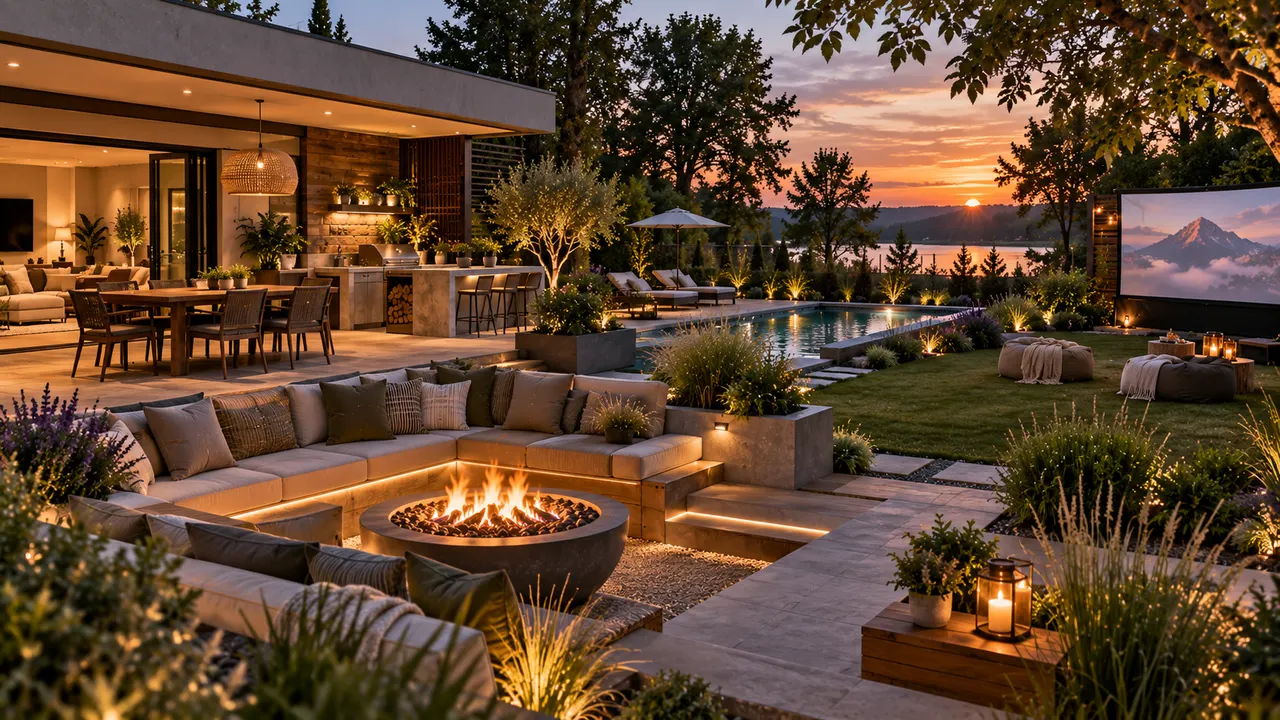
To get backyard privacy without a fence, block the specific sightline rather than the whole property line: plant fast-growing evergreens or clumping bamboo, grow vines on a freestanding trellis, line the patio with tall planters, hang outdoor curtains, or angle your seating away from the view. Layer different heights and add the sound of a small fountain.
You can get backyard privacy without a fence by using plants, movable screens and smarter layout instead of posts and panels. Fast-growing evergreens build a permanent living screen, tall planters and outdoor curtains give you privacy right away, and simply turning your seating away from a neighbor's window can remove most of that exposed feeling today.
Maybe your HOA limits fence height, you rent, or you just don't want to wall off the view from your own kitchen window. Whatever the reason, there are plenty of ways to carve out a private backyard without a single fence post.
This guide focuses on no-build and low-effort options: plants, portable screens and layout changes. If you'd rather build a freestanding screen, our DIY backyard privacy screen ideas cover lattice, slat and bamboo builds step by step.
Key Takeaways
- Fast-growing evergreens like 'Green Giant' arborvitae, Schip laurel or clumping bamboo can build a living screen within a few growing seasons.
- A trellis paired with a fast climbing vine can block a sightline in a single summer, especially with annual vines.
- Portable options like tall planters, outdoor curtains and rolled bamboo screening work well for renters or anyone who can't install anything permanent.
- Layering privacy at different heights blocks more angles than one tall barrier, especially from a neighbor's second-story window.
- Adding sound, like a small fountain, makes a space feel more private even when a visual gap remains.
- Many of these options need no digging, posts or permits, and several work the same day you set them up.
Plant a Living Screen With Fast-Growing Shrubs or Trees
A row of dense evergreens is the most permanent way to get backyard privacy without a fence, and it doubles as landscaping instead of just a barrier.
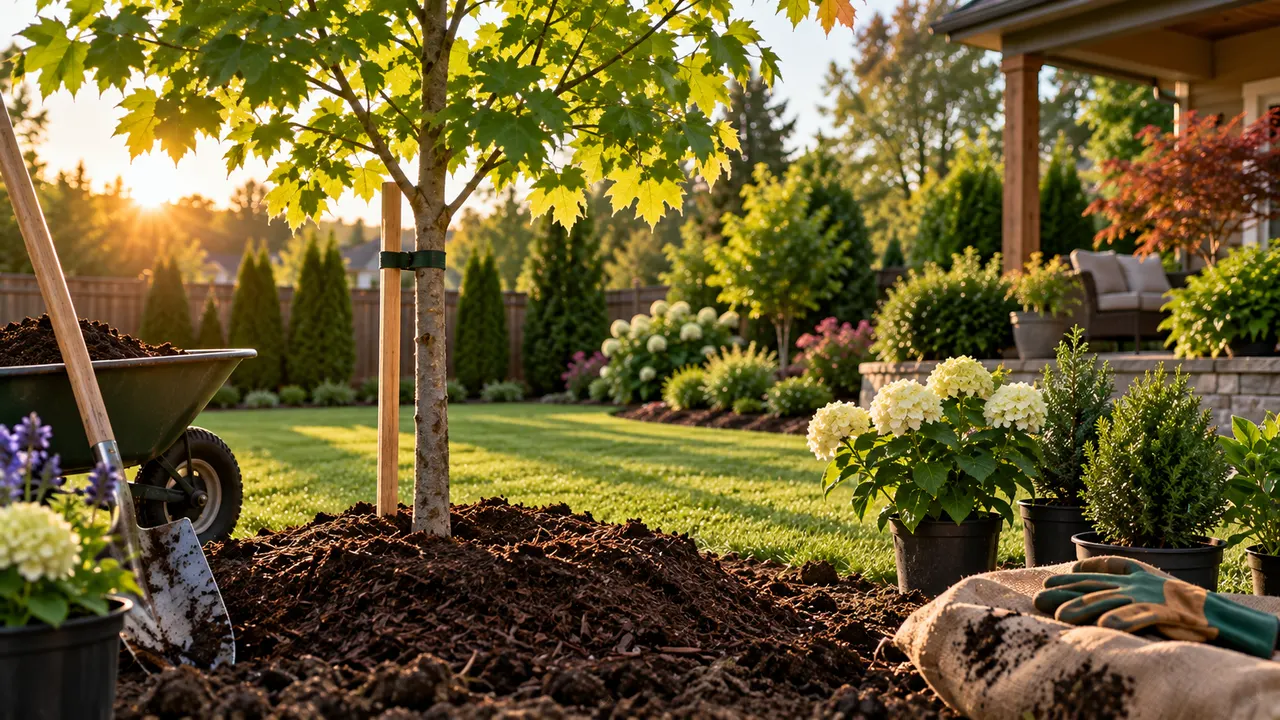
'Green Giant' arborvitae is a popular choice because it can grow up to about 3 feet a year once established and stays green year-round. It also gets wide, so space plants roughly 5-6 feet apart and keep them well back from the property line. Schip laurel handles partial shade better than arborvitae, which makes it a good fit under mature trees. For more species by climate and size, see our guide to the best privacy trees for backyards.
For faster coverage, clumping bamboo can form a dense screen within a few years in suitable climates. Confirm you're buying a clumping variety, since running bamboo can spread into a neighbor's yard and become a much bigger problem than the one you started with.
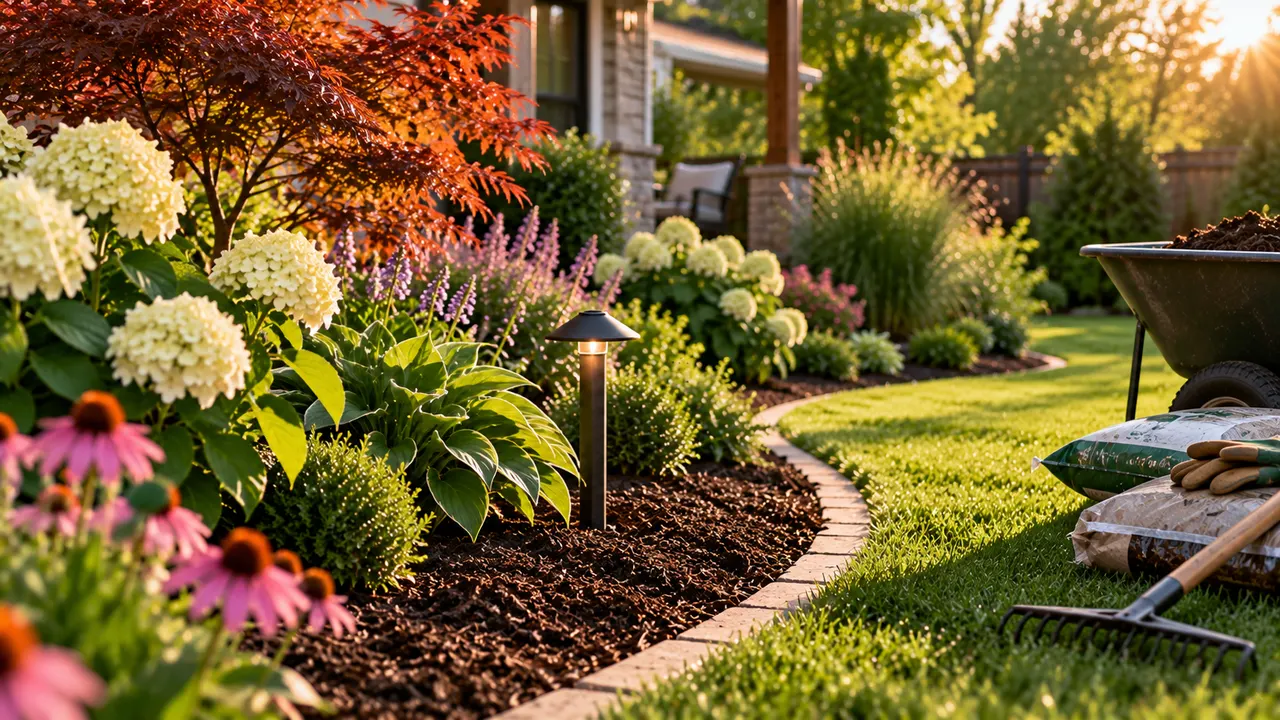
Before planting, measure the sightline you actually want to block. You may only need a short run of shrubs near a patio or hot tub rather than a screen along the whole property line. If you'd like a mix of heights and textures that won't need constant trimming, look through these low-maintenance shrubs.
Buy the largest container size your budget allows, and stagger the plants in a loose zigzag instead of a single straight line. Both can shave a season or more off how long it takes to get real privacy.
Grow Climbing Vines on a Freestanding Trellis
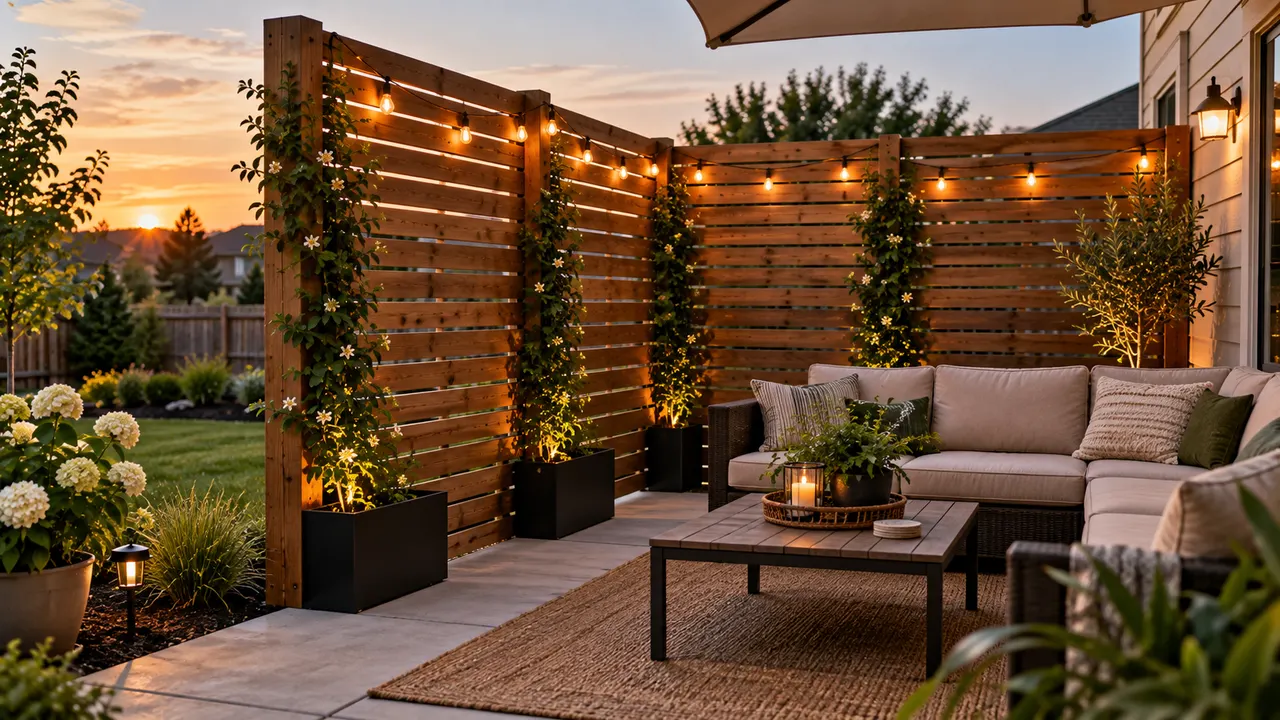
A trellis gives you vertical privacy without eating up yard space, which matters on a narrow lot or a tight patio. A freestanding trellis or trellis planter set along the edge of a patio blocks a direct sightline right away and gets better as vines fill in.
For the fastest coverage, grow annual vines like morning glory, scarlet runner beans or hyacinth bean, which can cover a trellis in one summer. Perennial vines like clematis take a couple of seasons to fill in but come back every year. In warm regions, star jasmine gives evergreen, year-round coverage instead of dropping its leaves and leaving you exposed every fall.
Avoid trumpet vine near the house or a neighbor's yard. It grows fast but spreads aggressively and needs hard yearly pruning to stay in bounds.
Can tall planters block a view?
Yes. Tall planters filled with upright shrubs or ornamental grasses can fully block a seated sightline around a patio or hot tub, and they work even if you're renting or can't plant in the ground.
Planters around 24-36 inches tall, filled with upright plants, raise the screen to eye level without any digging. Feather reed grass, especially 'Karl Foerster', grows about 4-5 feet tall and adds movement and a soft rustle along with privacy. Set several planters in a row about a foot apart so there are no gaps a neighbor can see through. You can find tall options in our planters collection.
Because planters aren't permanent, you can rearrange them as your needs change. Setting heavy planters on wheeled plant caddies makes it easy to shift the screen for a gathering or to block afternoon sun.
Attach Rolled Bamboo, Reed or Willow Screening
Rolled screening gives you privacy the same day because it doesn't need any growing time or new structure.
Bamboo, reed and willow screening comes in rolls, often 6 feet tall, and attaches directly to an existing deck railing, balcony or porch post with zip ties or wire. Natural screening typically lasts a few years outdoors before it needs replacing, which makes it a reasonable short-term option.
It looks best with something green in front of it. Plant a few tall grasses or shrubs along the base so the screen gives instant privacy while the plants grow in over the next season or two.
Hang Outdoor Curtains or Fabric Panels
Outdoor curtains give you privacy you can open and close, which plants and fixed screens can't.
Hang outdoor-rated panels from the beams of an existing pergola, porch or covered patio. They work especially well around a hot tub, outdoor dining table or evening lounge area where you want privacy after dark but an open view during the day.
Choose mildew- and fade-resistant outdoor fabric rather than indoor curtains, which break down quickly in rain and sun. Tie the panels back during storms and high wind so they don't tear loose.
Rethink Your Seating Area's Layout
Sometimes the fastest privacy fix isn't something new at all; it's moving the furniture you already have.
Sit where you normally would on your patio or deck and notice exactly which window, deck or yard you're facing. Angling a dining set or lounge area away from that direct sightline can remove most of the exposed feeling without adding anything.
You can also use a single large potted tree, or an existing structure like the corner of a shed or garage, at the point where the sightline is narrowest. One plant at that pinch point can do more than an entire row of shrubs along the property line.
How do you block a view from a neighbor's second-story window?
Add an overhead layer. A ground-level screen alone won't block a second-story window, which looks down over most shrubs and screens, so combine a mid-height screen with a patio umbrella, shade sail, existing pergola or tree canopy above your seating.
The most effective setups layer privacy at three heights: low plantings at ground level, a mid-height screen like a trellis or planters around 5-6 feet, and something overhead. Here's how the options compare:
| Option | Time to privacy | Permanence | Best for |
|---|---|---|---|
| Evergreen shrubs or trees | A few growing seasons | Permanent | Long stretches of property line |
| Vines on a trellis | One summer (annuals) to a few seasons | Semi-permanent | Narrow patios and decks |
| Tall planters | Immediate | Movable | Renters, patios, hot tubs |
| Rolled bamboo or reed screening | Immediate | Temporary, a few years | Existing railings and posts |
| Outdoor curtains | Immediate | Removable | Pergolas, porches, evening use |
| Rearranged seating | Immediate | Flexible | One specific sightline |
| Overhead umbrella or canopy | Immediate | Movable | Views from upstairs windows |
Sound helps too. A small fountain, rustling grasses or quiet outdoor music masks conversation and makes a backyard feel more private even if there's still a visual gap somewhere.
Privacy Without a Fence Is Entirely Doable
You don't need a contractor or a perimeter fence to stop feeling on display in your own backyard. Fast-growing plants, a trellis, a few tall planters or even a rearranged seating area can solve the problem.
Start with the option that fits your timeline: planters, curtains or a new furniture layout for privacy this weekend, and evergreens for a permanent screen over the next few seasons. Most yards end up with two or three of these working together, which usually looks better and feels more private than a single fence line.
Frequently Asked Questions
What is the cheapest way to get backyard privacy without a fence?
Rearranging your seating costs nothing, and outdoor curtains, rolled bamboo screening and a few tall planters are usually the least expensive add-ons. They also go up in an afternoon, with no digging or waiting for plants to grow.
How fast do privacy plants grow?
It depends on the plant and your climate. Fast growers like 'Green Giant' arborvitae can add up to about 3 feet a year once established, and annual vines can cover a trellis in one summer. Most shrub and tree screens need a few growing seasons to give real coverage.
Will privacy plants still block the view in winter?
Only if they're evergreen. Arborvitae, Schip laurel, clumping bamboo and, in warm regions, star jasmine keep their foliage year-round, while deciduous shrubs and most vines drop their leaves and leave gaps from fall to spring.
Can my HOA restrict privacy plants or screens?
Yes, some HOAs and local codes limit hedge height, screen materials or plantings near a property line or sidewalk. Check your HOA rules before planting a long screen, and plant far enough inside your line that mature growth stays on your side.
Published · Last updated . Written by the Backyard with Ben team from standard, widely published guidance. About us.
More for your backyard
Gear up with our top-rated tool picks, shop the look if you'd rather buy than build, or read a related guide. See all Outdoor Living guides.
Related guides
 AI-generatedPlants & Trees
Best Privacy Trees for Backyards: Fast-Growing Options and Spacing
Thuja Green Giant and Leyland cypress are the fastest reliable privacy trees, Emerald Green arborvitae suits narrow yards, and Nellie Stevens holly or Skip laurel handle partial shade.
 AI-generatedDIY Projects
DIY Backyard Privacy Screen Ideas: 7 Screens You Can Build
The easiest DIY backyard privacy screens are lattice or horizontal slat panels framed between 4x4 posts, about 6 feet tall. Bamboo rolls, living trellises and planter screens give you faster, greener or movable options.
 AI-generatedPlants & Trees
12 Low-Maintenance Shrubs That Look Great Without Constant Work
Boxwood, inkberry holly, spirea, ninebark and panicle hydrangea are among the easiest shrubs to grow: they hold their shape, skip deadheading and need about one light prune a year once established.